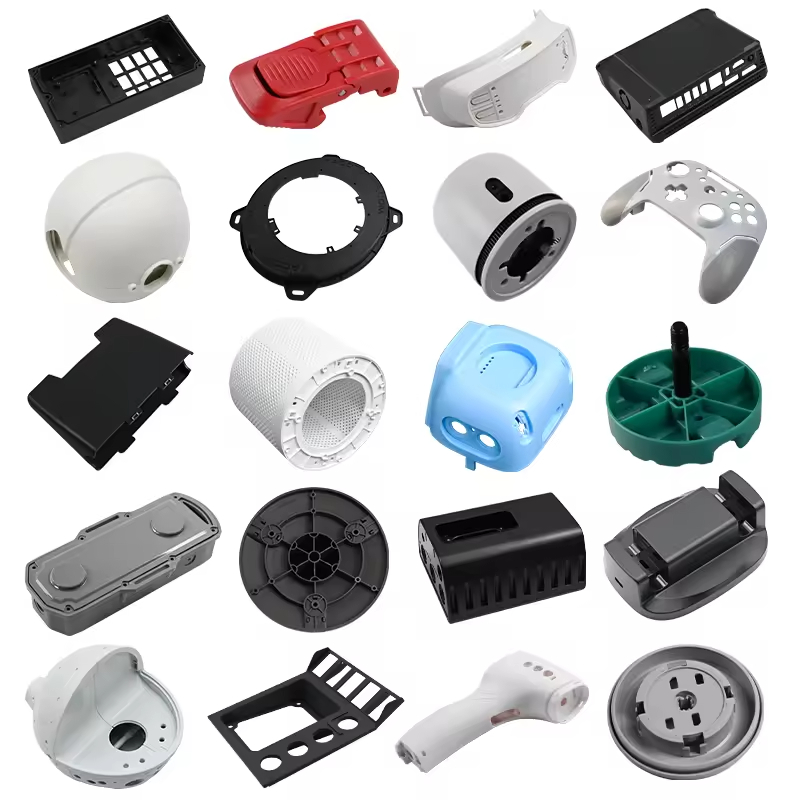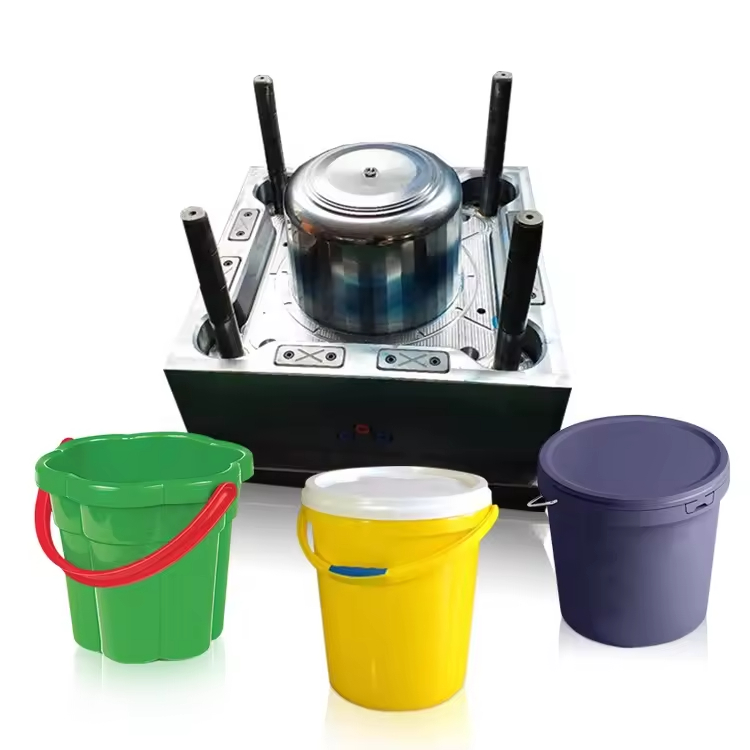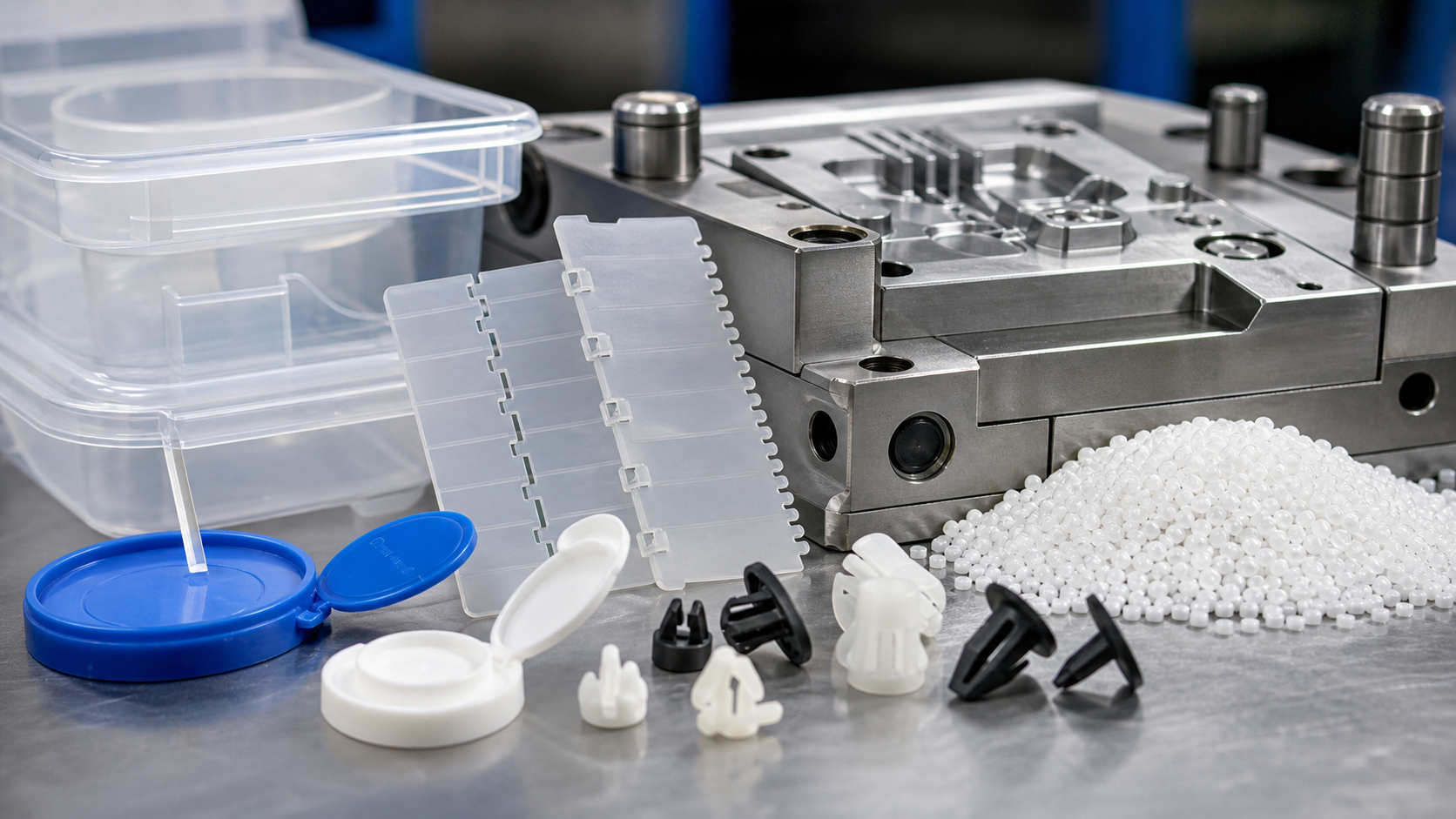
Đúc phun polypropylene là một lựa chọn lý tưởng cho các chi tiết nhựa có trọng lượng nhẹ, chịu hóa chất, linh hoạt hoặc có bản lề, nhưng hiện tượng co ngót và độ cứng của PP cần được xử lý cẩn thận trong quá trình thiết kế hướng tới sản xuất (DFM).
PP được sử dụng rộng rãi trong sản xuất bản lề linh hoạt, hộp đựng, kẹp, nắp và các chi tiết trang trí ô tô nhờ đặc tính nhẹ, chịu mỏi tốt và giá thành hợp lý. Loại nhựa này cũng co ngót nhiều hơn so với nhiều loại nhựa kỹ thuật khác, do đó việc thiết kế chi tiết và bù đắp khuôn là rất quan trọng.
Quy trình đúc phun PP
Quá trình đúc nhựa PP thường mang lại hiệu quả về chi phí, nhưng các yếu tố như thành mỏng, hiện tượng cong vênh, thiết kế bản lề và vị trí cửa rót cần được xem xét kỹ lưỡng ngay từ giai đoạn đầu.
| Tuyến đường | Cách sử dụng hiệu quả nhất | Lưu ý dành cho người mua |
|---|---|---|
| Đúc nhựa PP tiêu chuẩn | Kẹp, nắp và hộp đựng nhẹ | Tiết kiệm chi phí cho nhiều bộ phận sản xuất |
| Đúc bản lề linh hoạt | Bản lề liền khối và nắp lật | Cần rà soát hình học bản lề và độ bền mỏi |
| Đúc PP có lõi | Các bộ phận có độ cứng cao hơn | Xem xét các vấn đề về co ngót, cong vênh và yêu cầu về bề mặt |
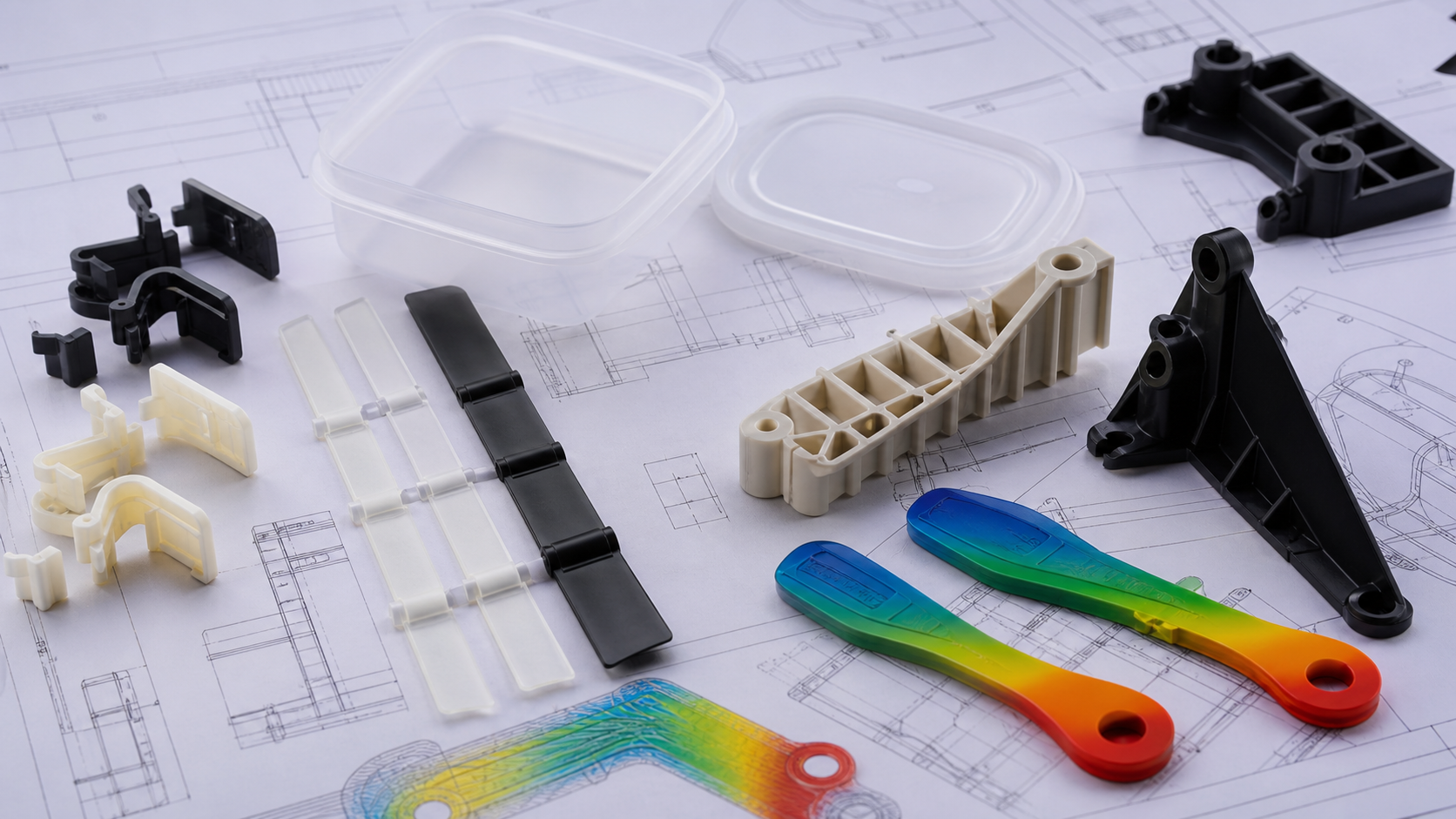
Các loại PP và các lựa chọn thay thế
Các loại nhựa PP khác nhau về độ cứng, độ bền va đập, hàm lượng chất độn, khả năng chịu nhiệt và độ ổn định trước tia UV.
| Chất liệu | Phù hợp nhất cho | Ghi chú về việc lựa chọn |
|---|---|---|
| Homopolymer PP | Các chi tiết đúc có độ cứng cao hơn | Thường được sử dụng khi nhu cầu tác động ở mức vừa phải |
| Copolymer PP | Khả năng chống va đập tốt hơn | Rất hữu ích cho các đoạn clip và bản cover |
| PP chứa bột talc | Độ ổn định kích thước và độ cứng | Kiểm tra các yêu cầu về mặt thẩm mỹ và độ cong vênh |
| PP được ổn định chống tia UV | Phụ tùng dành cho hoạt động ngoài trời | Xác nhận độ bền màu và màu sắc |
Kiểm tra thiết kế PP
Khi thiết kế chi tiết bằng nhựa PP, cần tính đến độ co ngót, tuổi thọ bản lề, độ linh hoạt của khớp lắp ráp và tải trọng lắp ráp.
- Thiết kế bản lề sống có độ dày phù hợp và hướng dòng chảy thích hợp.
- Cần tính đến độ co ngót của PP trong quá trình thiết kế khuôn.
- Tránh đặt trên các bề mặt phẳng không có điểm tựa vì có thể làm sản phẩm bị cong vênh.
- Xác nhận độ biến dạng khi lắp ráp bằng cơ chế khớp nhanh và tuổi thọ mỏi.
- Hãy chỉ rõ cần sử dụng PP tái chế hay PP nguyên sinh.
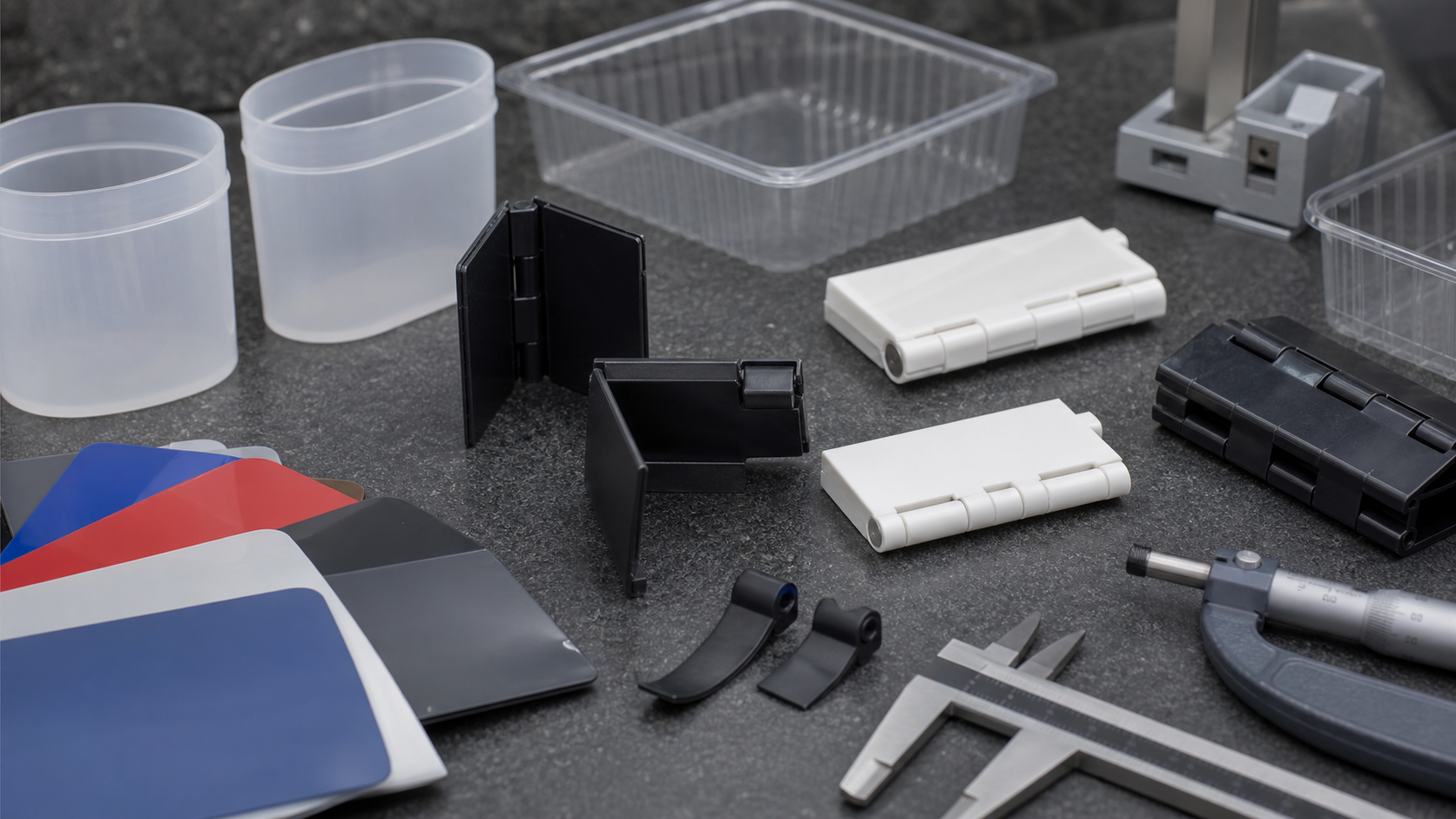
Hãy sử dụng vật liệu PP và thực hiện các bước kiểm tra thiết kế dưới đây cùng với dịch vụ ép phun nhựa khi lập kế hoạch sản xuất một chi tiết theo yêu cầu.
Các yếu tố thiết kế trong đúc ép nhựa PP
| Yếu tố | Tại sao điều này lại quan trọng | Ghi chú về DFM |
|---|---|---|
| Độ co ngót | Độ co ngót của PP cao hơn so với nhiều loại nhựa kỹ thuật khác. | Xem xét các giả định về dung sai, đường gân, điểm lồi và độ co ngót khuôn. |
| Sự cong vênh | Các bức tường không bằng phẳng, đường dẫn dòng chảy dài và quá trình làm mát không cân bằng có thể làm biến dạng các chi tiết phẳng. | Áp dụng thiết kế tường cân đối, bố trí cổng và hệ thống làm mát. |
| Bản lề linh hoạt | PP là một trong những vật liệu tốt nhất để sản xuất bản lề đúc. | Độ dày bản lề, hướng dòng chảy và bán kính là những yếu tố quyết định tuổi thọ của bản lề. |
| Khả năng chịu hóa chất | PP có khả năng chống lại nhiều loại axit, bazơ và hóa chất tẩy rửa. | Xác nhận nhiệt độ, nồng độ và tải trọng cơ học. |
Homopolymer PP so với copolymer PP
| Loại điểm | Cách sử dụng hiệu quả nhất | Ghi chú về việc lựa chọn |
|---|---|---|
| Homopolymer PP | Các bộ phận cứng hơn, nắp, hộp đựng và các chi tiết đúc nói chung. | Có độ cứng tốt nhưng khả năng chịu va đập ở nhiệt độ thấp kém hơn. |
| Copolymer PP | Các bộ phận chống va đập, linh kiện ô tô và vỏ bọc bền hơn. | Độ bền cao hơn, đặc biệt là ở nhiệt độ thấp. |
| PP đúc đầy | Các chi tiết có độ cứng cao hơn hoặc được cải thiện về kích thước. | Chất độn có thể làm thay đổi độ co ngót, bề mặt và hiện tượng cong vênh. |
Danh sách kiểm tra DFM cho polypropylene
- Cần tính đến độ co ngót thực tế và tránh đặt dung sai quá chặt đối với các chi tiết không quan trọng.
- Giữ độ dày thành ống đồng đều để giảm hiện tượng lõm và cong vênh.
- Các bản lề sống của Gate được thiết kế sao cho dòng chảy hỗ trợ hiệu suất hoạt động của bản lề.
- Hãy sử dụng các thanh giằng một cách cẩn thận vì các thanh giằng dày có thể gây ra hiện tượng lún và biến dạng.
- Kiểm tra các khớp lắp nhanh về hiện tượng trượt dẻo, hiện tượng giảm ứng suất và khả năng chịu được việc sử dụng lặp đi lặp lại.
- Kiểm tra mức độ phơi nhiễm hóa chất và nhiệt độ trước khi phê duyệt sản xuất.
Câu hỏi thường gặp
Đúc phun polypropylene được sử dụng để làm gì?
Công nghệ ép phun polypropylene được sử dụng để sản xuất các loại kẹp, nắp, hộp đựng, bản lề linh hoạt, nắp đậy và các bộ phận nhẹ, cũng như các chi tiết cần có khả năng chống hóa chất hoặc chịu mỏi do uốn.
Tại sao hiện tượng co ngót của PP lại quan trọng trong thiết kế khuôn?
PP có độ co ngót cao hơn so với nhiều loại nhựa kỹ thuật khác, do đó cần xem xét sớm các yếu tố như bù khuôn, độ dày thành sản phẩm, vị trí cửa rót và kiểm soát độ cong vênh.
Chất liệu PP có phù hợp để làm bản lề sống không?
Đúng vậy. Polypropylene là một trong những vật liệu phổ biến nhất để chế tạo bản lề linh hoạt, miễn là độ dày của bản lề, hướng dòng chảy và các yêu cầu về độ bền mỏi được thiết kế đúng cách.
Người mua nên yêu cầu những thông số kỹ thuật nào đối với các chi tiết đúc bằng nhựa PP?
Người mua cần nêu rõ loại PP, độ cứng, yêu cầu về khả năng chịu va đập, yêu cầu về bản lề hoặc độ uốn dẻo, khả năng tiếp xúc với hóa chất, màu sắc, quy định về hàm lượng nguyên liệu tái chế và số lượng dự kiến.
Bài đọc liên quan
Yêu cầu đánh giá chi tiết sản phẩm đúc PP
Đối với các chi tiết như kẹp, nắp, hộp đựng hoặc các bộ phận bản lề linh hoạt, vui lòng gửi bản vẽ kỹ thuật được phê duyệt, loại nhựa PP hoặc vật liệu thay thế được chấp thuận, cùng với số lượng theo từng giai đoạn. Nylon Plastic có thể xem xét vật liệu, thiết kế bản lề hoặc khớp lắp nhanh, khuôn mẫu và phạm vi sản xuất trước khi đưa ra báo giá.
Báo giá đúc phun polypropylene cho bản lề hoặc các chi tiết lắp ráp bằng chốt bấm cần nêu rõ những nội dung nào?
Xác định xem chi tiết có phải uốn cong lặp đi lặp lại, chịu tải kẹp hay chống lại tác động của hóa chất hay không. Chỉ định loại nhựa PP hoặc vật liệu thay thế được phép, dải nhiệt độ, các chi tiết ghép nối và thử nghiệm nghiệm thu. Báo giá cần phân biệt rõ các nội dung: lựa chọn loại nhựa, đánh giá vị trí cửa rót và bản lề, khuôn mẫu, xác nhận mẫu thử và sản xuất hàng loạt; báo giá cho vỏ cứng không bao gồm các nội dung đánh giá tương tự như đối với bản lề linh hoạt.
- Bao gồm bản vẽ CAD, phiên bản sửa đổi của bản vẽ, các chi tiết lắp ghép quan trọng, màu sắc, quy định về nguyên liệu nguyên sinh hoặc tái chế, số lượng ban đầu và hàng năm, điểm đến và thời hạn dự kiến.
- Xác định chu kỳ hoạt động của bản lề hoặc khả năng giữ chặt của kẹp, các bộ phận ghép nối, nồng độ hóa chất và nhiệt độ, cũng như bất kỳ tài liệu nào cần thiết.
- Xác định báo cáo mẫu, phương pháp thử nghiệm và giới hạn chấp nhận; phân biệt việc phê duyệt về hình thức với việc xác nhận độ uốn hoặc tải trọng.
Thống nhất các mẫu, thử nghiệm chức năng và hồ sơ nào sẽ được đưa vào báo giá. Mẫu vừa khít được in hoặc gia công bằng máy không đủ điều kiện để đánh giá bản lề sống đúc.