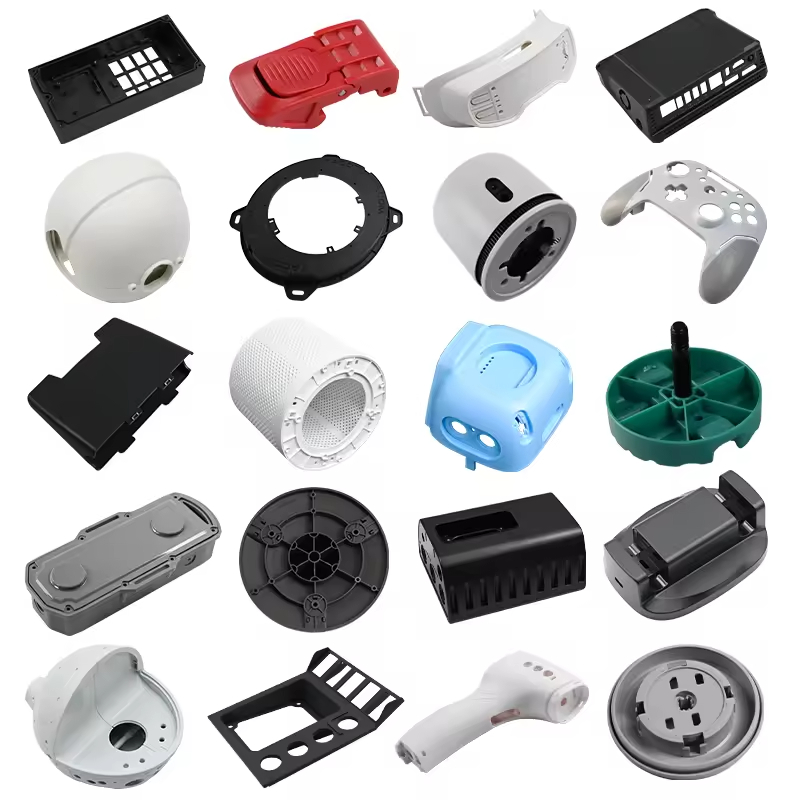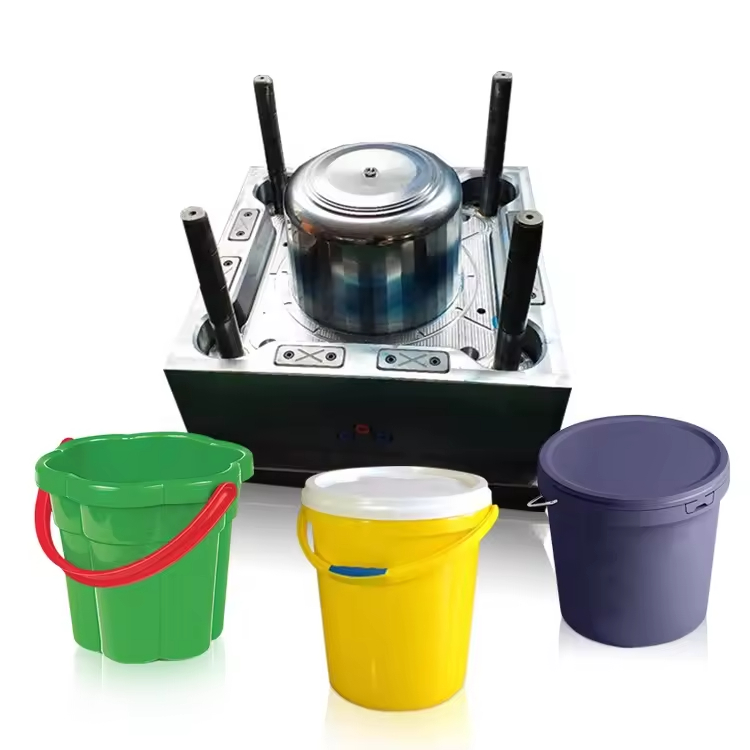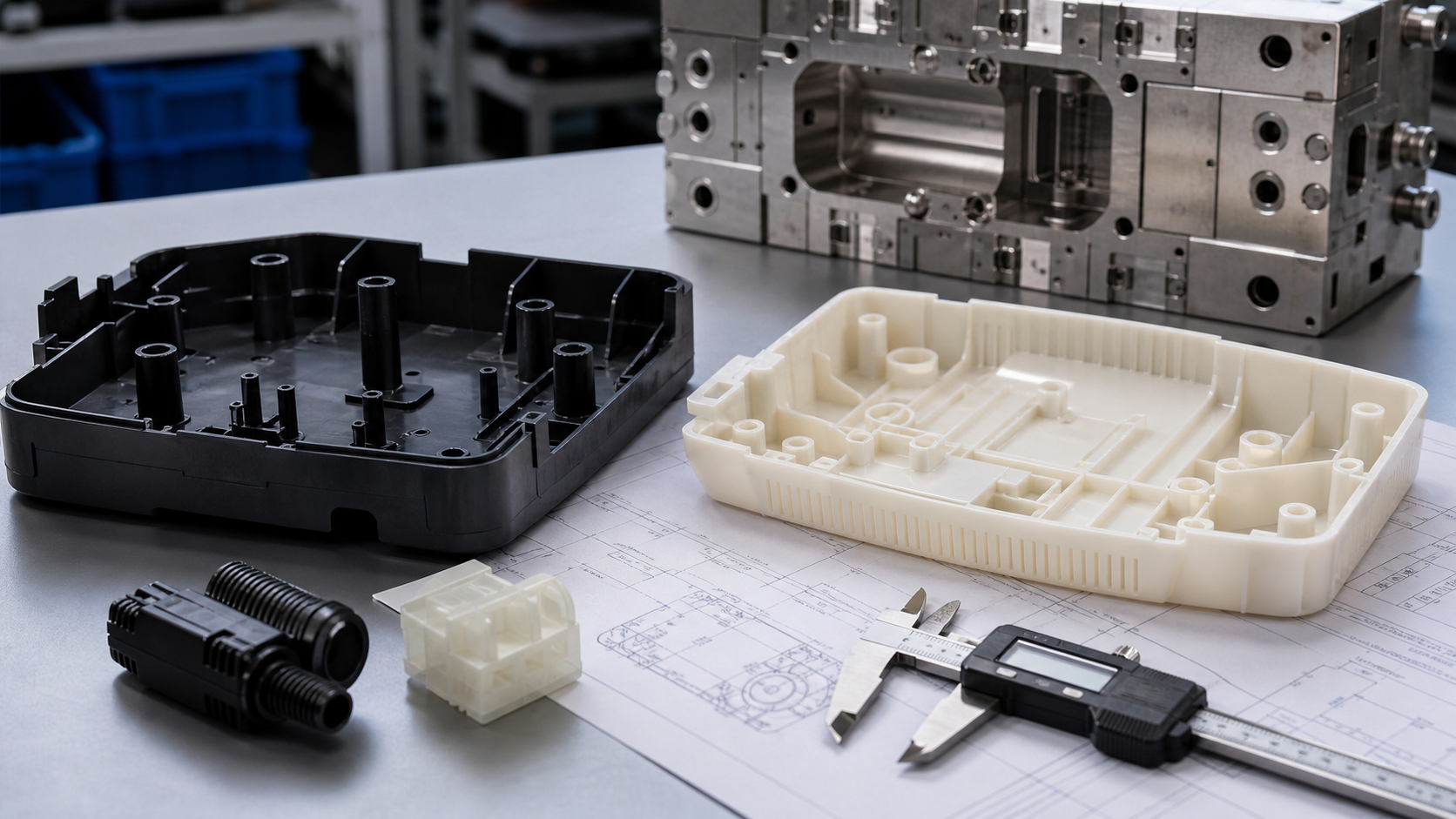
Các chi tiết nhựa đúc theo yêu cầu là lựa chọn tối ưu cho các bộ phận nhựa được sản xuất lặp lại, đòi hỏi kích thước ổn định, bề mặt đồng nhất, tính chất vật liệu được kiểm soát chặt chẽ và khả năng mở rộng quy mô sản xuất sau khi thiết kế đã được xác nhận.
Đối với người mua, quyết định chính không chỉ nằm ở việc liệu một chi tiết có thể được đúc hay không. Câu hỏi quan trọng hơn là liệu các yếu tố như vật liệu, độ dày thành chi tiết, đường phân chia khuôn, vị trí cửa rót, tổng dung sai, độ nhám bề mặt và khối lượng sản xuất dự kiến có được thống nhất trước khi bắt đầu chế tạo khuôn hay không. Một cuộc đánh giá DFM (Thiết kế cho Sản xuất) nhỏ trước khi gia công khuôn có thể giúp giảm thiểu việc làm lại, vết lõm, biến dạng, các chốt yếu và những thay đổi chi phí vào phút chót.
Discuss Your Custom Molded Plastic Part
Start with the part’s function, drawing revision, resin or performance target, and expected quantity. Identify the dimensions, appearance zones and assembly features that must be accepted before tooling or repeat production.
Request a Custom Molded Part Quote
Need only material selection or a datasheet? Request a Material Recommendation; a material-only enquiry can begin without CAD.
Quy trình sản xuất các chi tiết nhựa đúc theo yêu cầu
Một dự án sản xuất chi tiết đúc thông thường sẽ trải qua các giai đoạn từ thẩm định bản vẽ CAD đến tối ưu hóa thiết kế cho sản xuất (DFM), xác nhận vật liệu, thiết kế khuôn, lấy mẫu, điều chỉnh và sản xuất. Quy trình sản xuất tối ưu phụ thuộc vào khối lượng sản xuất, loại nhựa, dung sai và việc thiết kế có còn thay đổi hay không.
| Tuyến đường | Cách sử dụng hiệu quả nhất | Lưu ý dành cho người mua |
|---|---|---|
| Đúc ép phun | Sản xuất lặp lại và hình dạng chi tiết ổn định | Tốt nhất là sau khi bản vẽ CAD và vật liệu đã gần hoàn thiện |
| Dụng cụ chế tạo mẫu thử | Các đợt chạy thử nghiệm và xác nhận thiết kế | Rất hữu ích khi cần kiểm tra tính chất của vật liệu đúc |
| Dụng cụ sản xuất | Sản lượng cao hơn và tuổi thọ dụng cụ dài hơn | Cần có niềm tin vững chắc hơn vào thiết kế và nhu cầu |
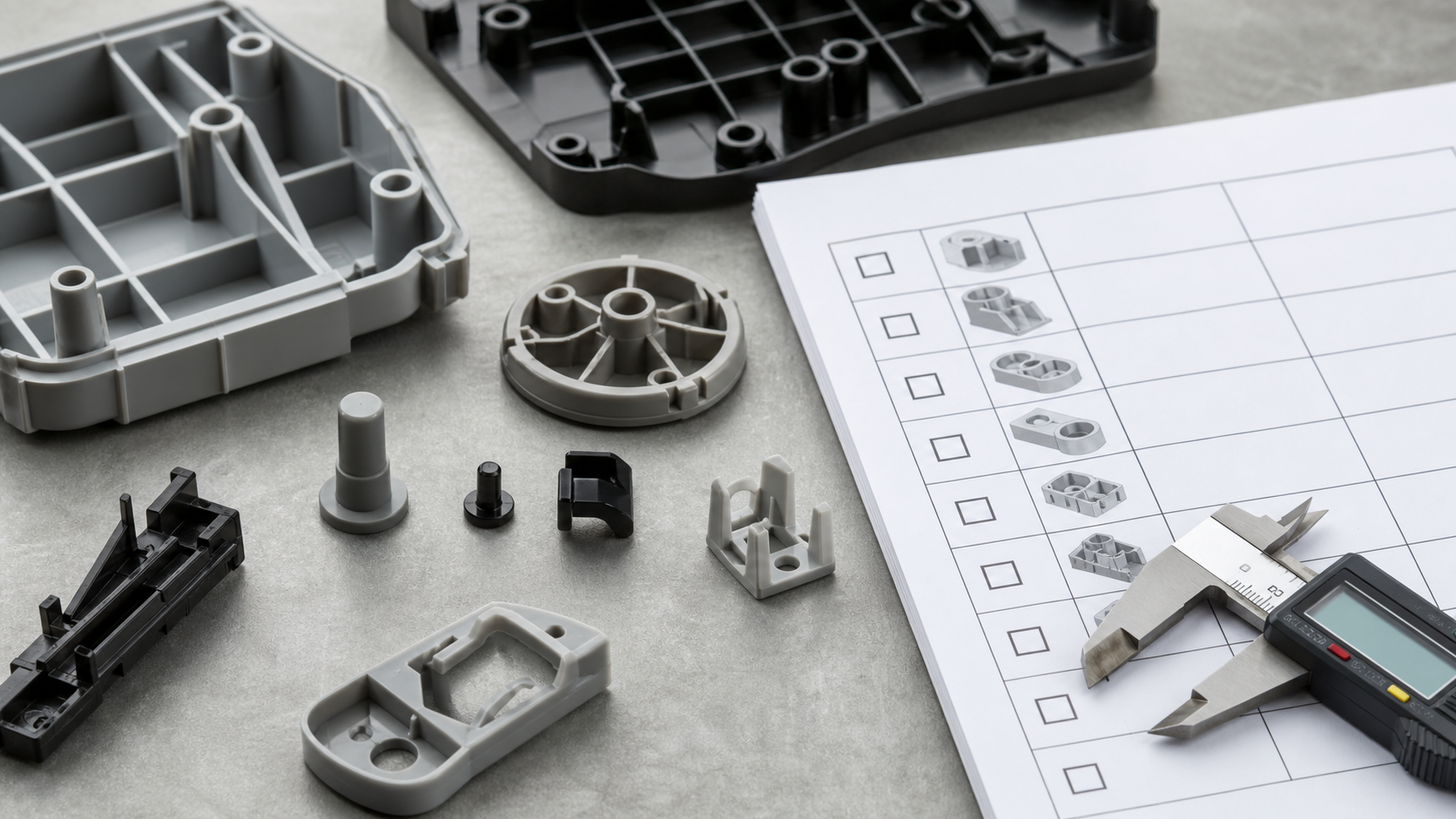
Lựa chọn vật liệu cho các chi tiết nhựa đúc
Việc lựa chọn vật liệu cần dựa trên điều kiện môi trường hoạt động của chi tiết, chứ không phải dựa trên bảng thông số kỹ thuật chung chung. Nhiệt độ, tải trọng, hóa chất, tiếp xúc với tia UV, phương pháp lắp ráp, yêu cầu thẩm mỹ và chi phí đều ảnh hưởng đến khuyến nghị cuối cùng về loại nhựa.
| Chất liệu | Phù hợp nhất cho | Ghi chú về việc lựa chọn |
|---|---|---|
| ABS | Vỏ bảo vệ và nắp trang trí | Khả năng gia công tốt và nhiều lựa chọn về bề mặt |
| PA6 / PA66 | Bánh răng, giá đỡ và các bộ phận chịu tải | Kiểm tra độ ẩm, nhiệt độ và hàm lượng sợi thủy tinh |
| PC / PC-ABS | Vỏ bảo vệ chống va đập | Rất hữu ích khi độ bền hoặc khả năng chịu nhiệt là yếu tố quan trọng |
| PBT / POM | Các bộ phận điện và bộ phận chính xác | Có độ ổn định kích thước tốt khi được lựa chọn đúng cách |
Các bước kiểm tra DFM trước khi chế tạo khuôn mẫu
Trước khi đặt hàng khuôn mẫu, hãy kiểm tra các đặc điểm thường gây ra việc phải thay đổi khuôn hoặc dẫn đến lỗi sản phẩm.
- Đảm bảo độ dày thành ống đồng đều và tránh các đoạn có độ dày lớn nhưng không liên tục.
- Kiểm tra các chi tiết dạng xương sườn, phần lồi và các mối ghép khớp bấm để đảm bảo tuân thủ các quy tắc thiết kế dành riêng cho vật liệu nhựa.
- Hãy đặt cổng ở những vị trí có thể cân bằng giữa dòng chảy, vẻ đẹp và độ bền.
- Chỉ nên xác định dung sai ở những vị trí mà cụm chi tiết thực sự yêu cầu.
- Cần xác định trước các yếu tố như kết cấu bề mặt, quá trình đánh bóng, đúc chèn hoặc các công đoạn gia công thứ cấp trước khi thiết kế khuôn.
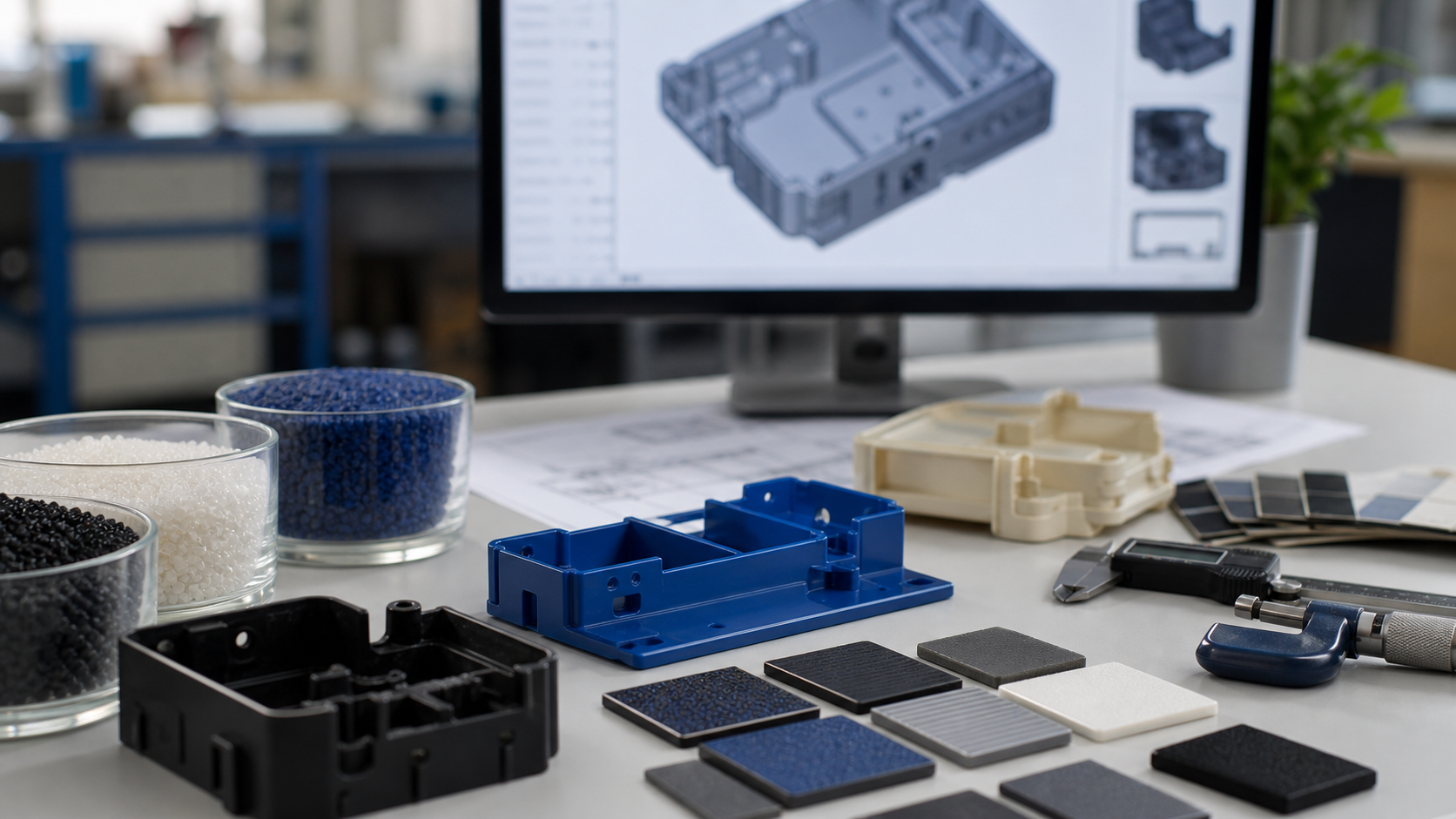
Các chi tiết trong yêu cầu báo giá (RFQ) mà người mua cần chuẩn bị
Một yêu cầu báo giá (RFQ) rõ ràng sẽ giúp nhà cung cấp đưa ra báo giá chính xác về loại thép khuôn, số lượng khoang khuôn, kế hoạch kiểm tra và thời gian giao hàng, thay vì phải phỏng đoán dựa trên ảnh chụp màn hình.
Để nhận báo giá cụ thể, vui lòng gửi bản vẽ 2D hoặc mô hình CAD 3D, loại vật liệu dự kiến, số lượng dự kiến, yêu cầu về dung sai, độ hoàn thiện bề mặt, môi trường ứng dụng, nhu cầu hàng năm và bất kỳ yêu cầu tuân thủ nào. Nylon Plastic có thể đánh giá chi tiết sản phẩm về việc lựa chọn vật liệu, thiết kế hướng tới sản xuất (DFM), quy trình chế tạo mẫu thử, rủi ro liên quan đến khuôn mẫu, thời gian giao hàng và chi phí sản xuất trước khi dự án bước vào giai đoạn sản xuất.
Buyer Problems to Resolve Before Mold Release
- The RFQ lacks annual volume, expected tool life, cavitation plan, or ownership terms.
- The drawing names a resin family but not the complete grade, color, approvals, or backup material.
- Cosmetic surfaces, texture, gate vestige, ejector marks, weld lines, and parting lines are not marked.
- Critical dimensions, conditioning, gauges, samples, and ongoing control are undefined.
Nhựa nylon hỗ trợ dự án như thế nào
Nylon Plastic has supported material selection and finished plastic-part manufacturing since 2005. The same project review can connect material selection, DFM, mold design, sampling, assembly, and production inspection, so buyers do not have to evaluate each production decision in isolation.
- Trước khi báo giá, hãy xem xét bản vẽ, vật liệu, số lượng, các đặc điểm quan trọng và môi trường sử dụng.
- So sánh các phương pháp in 3D, gia công CNC, chế tạo khuôn nhanh và đúc sản xuất khi có nhiều phương án khả thi.
- Xác định các mẫu thử, báo cáo theo chiều, tài liệu vật liệu, khả năng truy xuất nguồn gốc và các tiêu chí chấp nhận trước khi đưa sản phẩm ra thị trường.
Agree the Part Acceptance Scope Before Tooling
A part quotation should identify what will be reviewed, sampled and approved. Ask for the following deliverables by name rather than relying on a general promise of quality.
| Quyết định | Input to supply | Scope to confirm |
|---|---|---|
| Material suitability | Service temperature, load, moisture, chemicals and document requirements | Exact grade, TDS, conditioning state and any application-specific approval |
| Phát hành công cụ | Controlled drawing, critical features and cosmetic zones | DFM actions, gate/parting-line proposal, tooling assumptions and revision approval |
| First-article acceptance | Datums, measurement method, mating parts and functional test requirements | Sample quantity, dimensional report, finish criteria and correction/review process |
| Repeat production | Forecast, packaging, destination and batch traceability needs | Inspection plan, approved material changes, required records and delivery terms |
Cái dịch vụ ép phun nhựa explains the process scope. For reinforced nylon selection, review the PA66 GF30 material and TDS before fixing a resin requirement.
Bài đọc liên quan
- Sản xuất khuôn ép nhựa
- Mold Fabrication for Plastic Parts
- Dụng cụ chế tạo nhanh so với dụng cụ sản xuất
Câu hỏi thường gặp
Các bộ phận nhựa đúc theo yêu cầu là gì?
They are drawing-controlled components produced with a selected resin and dedicated tooling to meet function, tolerance, appearance, volume, and quality requirements.
When should injection molding replace CNC or 3D printing?
Move toward molding when the design is stable, demand supports tooling, and repeat unit cost and consistency matter more than tool-free changes.
Why is DFM required before mold making?
DFM identifies wall, draft, rib, boss, undercut, gate, tolerance, and ejection risks before mold steel is cut.
What belongs in a molded-part RFQ?
Include CAD and drawings, resin, color, quantity, annual demand, critical dimensions, appearance, texture, inserts, assembly, approvals, inspection, packaging, and tooling terms.
Request a Custom Molded Part Review
Send the drawing, annual volume, material target, cosmetic and dimensional requirements, and validation plan for a DFM and tooling review.