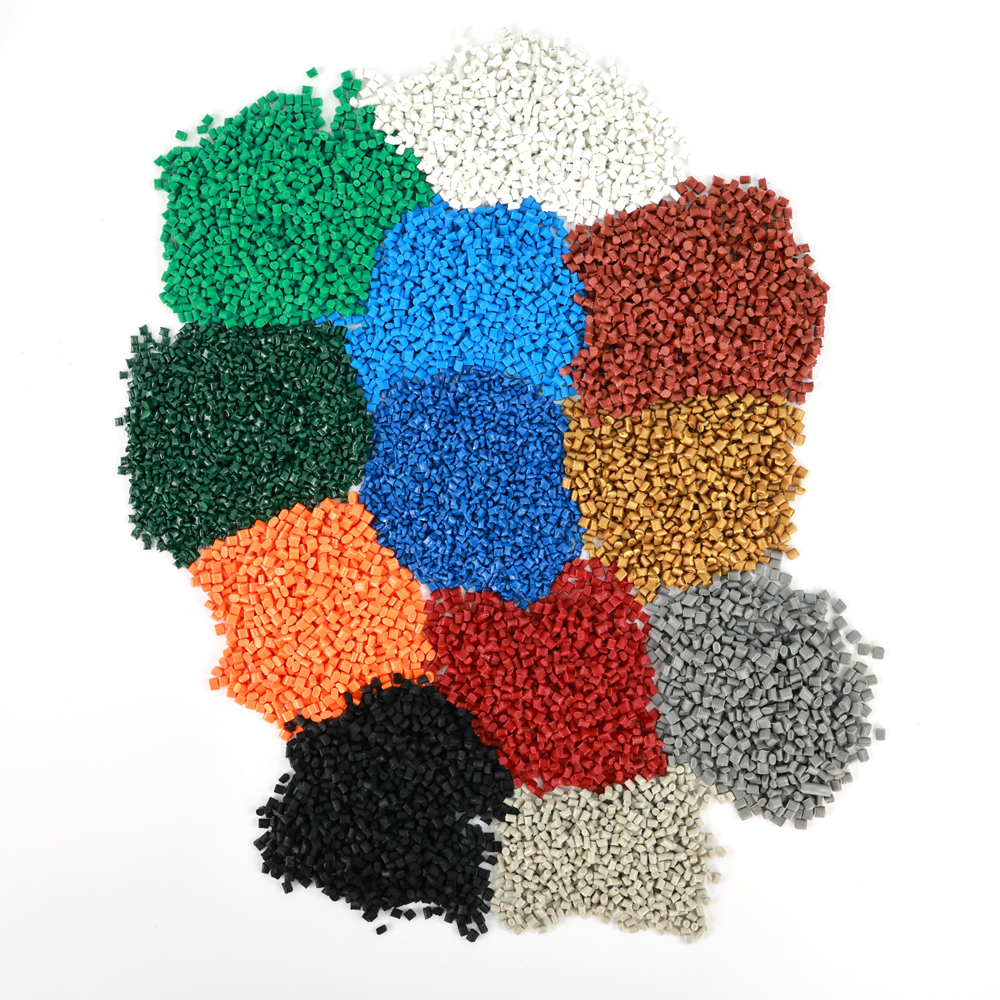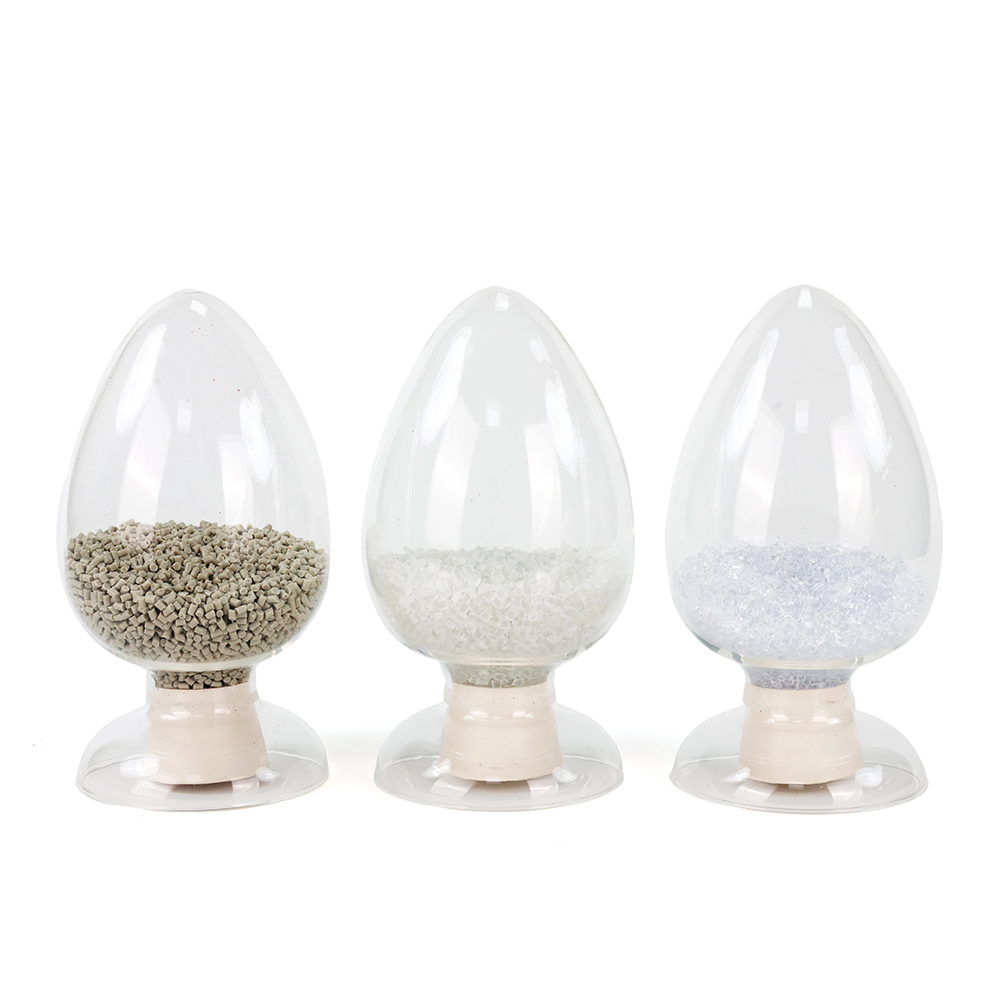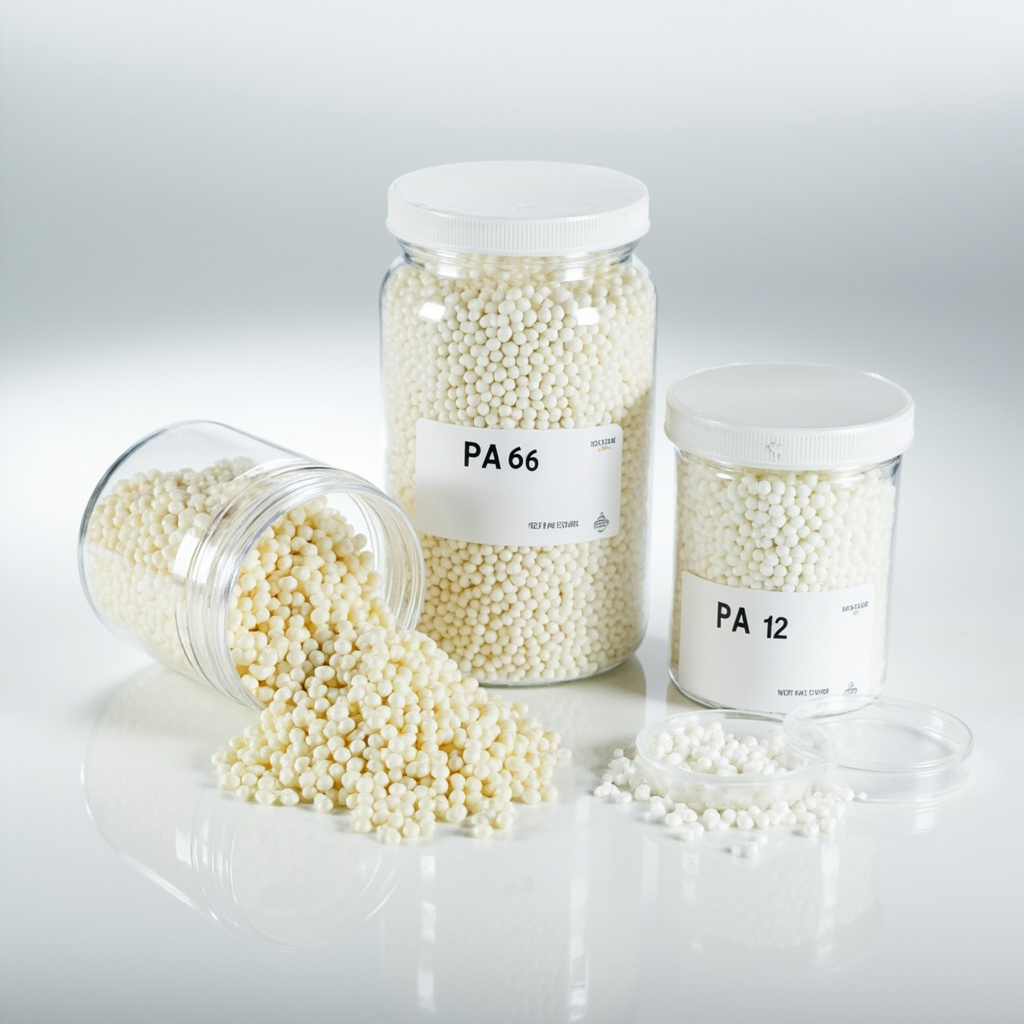
Nylon plastic granules pricing is influenced by multiple factors beyond the basic polymer cost. Understanding these factors helps project teams compare quotations and make informed material decisions.
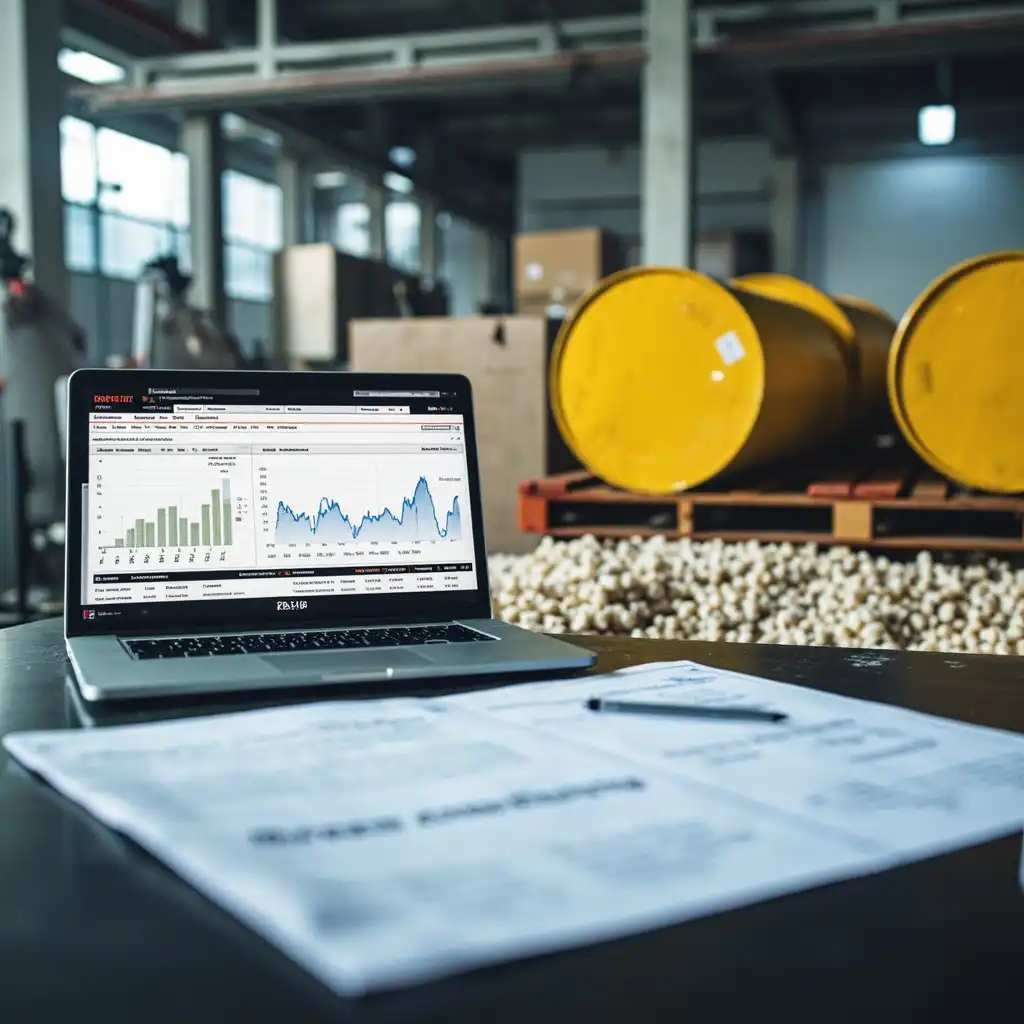
1. Raw Polymer (Resin) Cost
Nylon 6 and Nylon 66 are derived from petrochemi
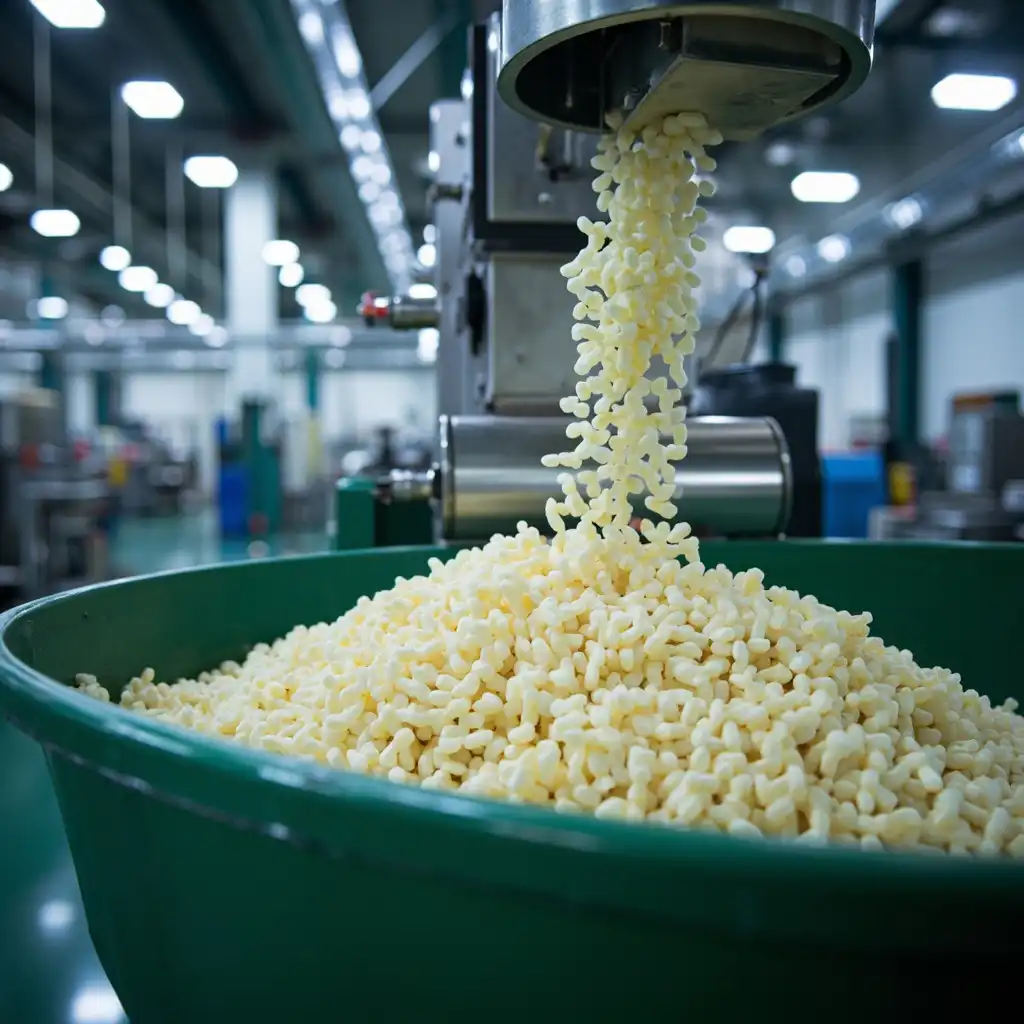
cal feedstocks. Their prices correlate with crude oil and benzene prices. Nylon 6 (produced via caprolactam) and Nylon 66 (produced via adipic acid and hexamethylene diamine) have different feedstock dependencies and price correlations.
Global resin price indices (e.g., ICIS, Chemanalyst) provide benchmark pricing. Spot quotations can move quickly after feedstock, energy, freight, or capacity changes. Treat an index as market context, then compare supplier quotations issued for the same grade, quantity, delivery term, and validity period.
2. Additive and Reinforcement Costs
Glass fiber, carbon fiber, flame retardants, impact modifiers, UV stabilizers, and colorants all add to base material cost. Reinforcement loading percentage directly correlates with price — 30% glass fiber reinforced nylon costs significantly more than 15% GF.
3. Compounding Complexity
Custom color matching, specialized additives, and multi-component blends require additional processing steps. Minimum order quantities for custom compounds are typically higher than for standard grades due to setup costs.
4. Quality Tier: Virgin vs. Recycled vs. Off-Spec
- Virgin material: Highest consistency and performance, full manufacturer warranty
- Post-industrial recycled (PIR): Made from production waste, 10-30% cheaper, consistent quality
- Post-consumer recycled (PCR): Made from end-of-life plastics, lowest cost, variable quality
- Off-spec/regrind: Material outside specification, significantly discounted but unpredictable performance
5. Quantity and Order Frequency
Volume pricing typically starts at 500-1,000 kg. Annual volume commitments unlock more competitive pricing. Frequent small orders incur higher per-unit logistics costs compared to consolidated shipments.
6. Logistics and Packaging
- Bagged vs. bulk: Bagged material (25 kg bags) adds packaging cost but offers easier handling
- Palletization and container loading: Optimized loading reduces shipping costs per kg
- Incoterms: EXW, FOB, CIF, DDP have dramatically different total costs
- Lead time: Air freight vs. sea freight vs. express courier — 3x to 10x cost difference
7. Technical Support and Service
Suppliers offering technical support, DFM assistance, and responsive engineering consultation typically price slightly higher. The added cost is often justified by reduced debugging time and better outcomes.
8. Certification and Compliance Costs
ROHS, REACH, UL ratings, food contact approval (FDA/EU), and medical-grade certifications add to material cost. Automotive IATF 16949 compliant materials command a premium due to the documentation and quality control overhead.
9. Currency Fluctuations
Most nylon resin pricing is in USD. Orders settled in another currency can carry exchange-rate risk. Long-term supply agreements often include currency adjustment clauses.
10. Market Demand Cycles
Nylon pricing follows demand cycles in major end-use industries (automotive, electronics, construction). Prices typically peak in Q3 (pre-autumn production ramp) and soften in Q1 (post-year-end inventory correction).
How to Get the Best Price
- Provide complete technical specifications upfront to avoid price ambiguity
- Commit to annual volume for price locking
- Consolidate shipments to reduce logistics costs
- Consider regional suppliers to reduce lead times and shipping costs
- Request samples and validate before volume orders — cheap material that doesn’t perform costs more in the long run
Price approval should not end with a quotation comparison. Define how each delivery will be checked using a nylon granules incoming inspection checklist covering the COA, packaging, moisture, traceability, and lot release.
How to Compare Nylon Granule Quotations
Two prices are comparable only when the material and commercial scope are comparable. A quote that says only “PA66” or “PA66-CF30” leaves too many cost and quality variables open.
| Quotation Field | Quotation Question | Cost or Quality Risk |
|---|---|---|
| Complete grade | Is it unfilled PA, GF20, GF30, CF30, heat-stabilized, impact-modified, or flame-retardant? | Different formulations are priced as though they were equivalent |
| Source and quality tier | Is the resin virgin, controlled PIR/PCR, regrind, or off-spec? | Property consistency and approval status are unclear |
| COA and lot control | Which properties are reported per batch, and how is traceability maintained? | Incoming inspection cannot release or reject material consistently |
| Packaging and moisture | What bag, liner, desiccant, seal, net weight, and moisture limit apply? | Drying loss, contamination, and short weight increase landed cost |
| Commercial terms | Are MOQ, lead time, validity, Incoterm, payment, and freight based on the same assumptions? | The lowest unit price produces a higher landed or inventory cost |
For the core product routes, compare PA6-GF20, PA66-GF20, and the relevant unfilled or modified PA compound separately. Carbon-fiber grades such as CF30 should be quoted only when their stiffness, weight, dimensional, or electrical benefit is required.
Red Flags on Pricing
A quotation far below comparable offers deserves a specification review, not an automatic rejection or approval. Check whether the material is virgin, recycled, off-spec, or a different reinforcement level; then verify net weight, packaging, delivery term, COA fields, traceability, and sample performance before volume payment.
From Unit Price to Approved Material Cost
The lowest price per kilogram can become the most expensive choice after drying loss, unstable molding, dimensional rejection, retesting, or line stoppage. Approve the quotation together with the grade, sample, COA, packaging, incoming inspection, and lot-change process.
Nylon Plastic has supported material modification and finished plastic-part manufacturing since 2005. Project teams can review unfilled PA, PA-GF20, PA-CF30, custom compounding, and downstream molding requirements in one technical and commercial review rather than separating resin price from process risk.
Ready to review engineering plastics or custom manufacturing services? Request a material and quotation review →
Modified Nylon Materials
Review unfilled and modified PA compounds, including the main GF20 and CF30 product routes.
Nylon plastic granules price should be compared by the same grade, reinforcement, quantity, moisture specification, packaging and delivery terms.
Câu hỏi thường gặp
What determines nylon plastic granules prices?
The base PA resin, reinforcement or additive package, quality tier, color, order quantity, compounding setup, compliance documentation, packaging, freight, and payment terms all affect the final quotation.
Why should project teams avoid relying on a fixed online nylon price?
Online numbers quickly become outdated and may refer to a different PA family, reinforcement, quality tier, quantity, Incoterm, or region. Request a dated quotation for the exact grade and commercial scope.
What documents should come with nylon granules?
Define the required TDS, SDS, batch COA, traceability, compliance declarations, packaging label, and sample-approval record. The exact list depends on the application and customer quality system.
How can a project reduce nylon material cost without increasing quality risk?
Clarify the real performance target, avoid unnecessary reinforcement, consolidate qualified grades where practical, forecast volume, compare landed cost, and approve incoming inspection rules before negotiating unit price.