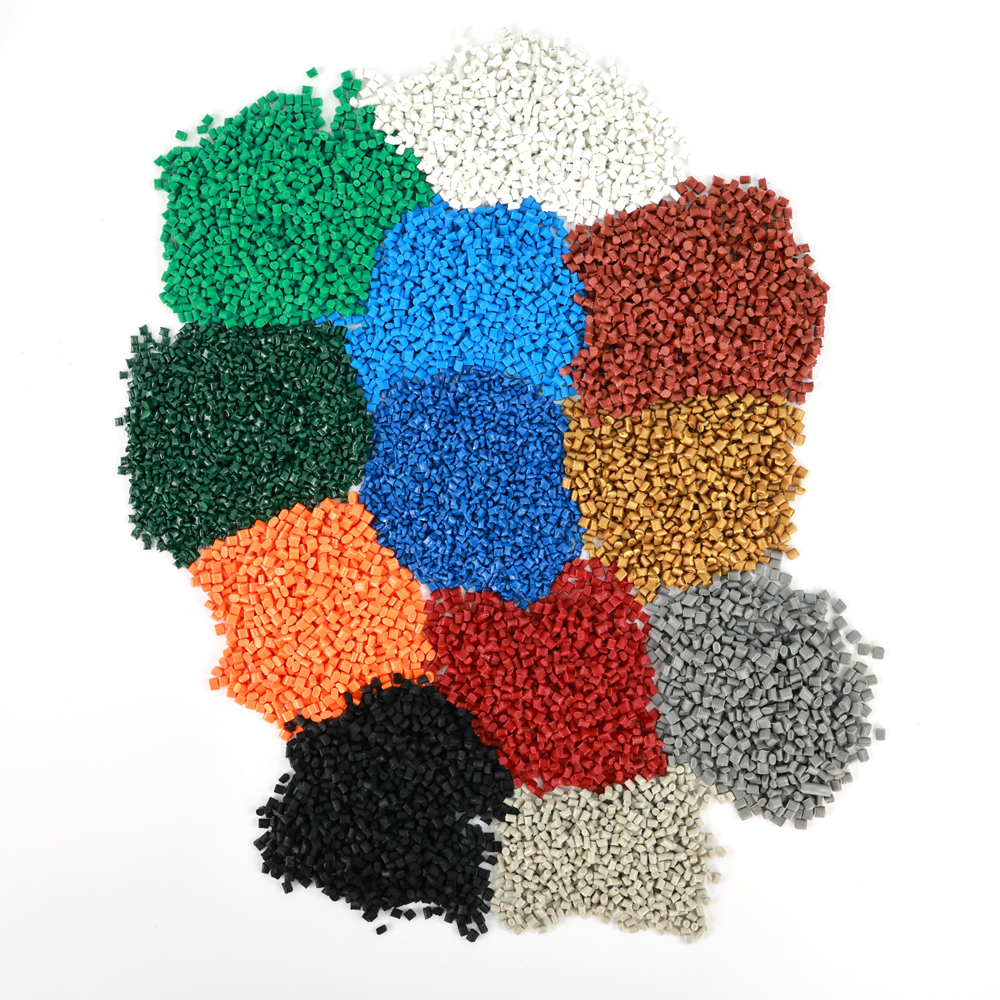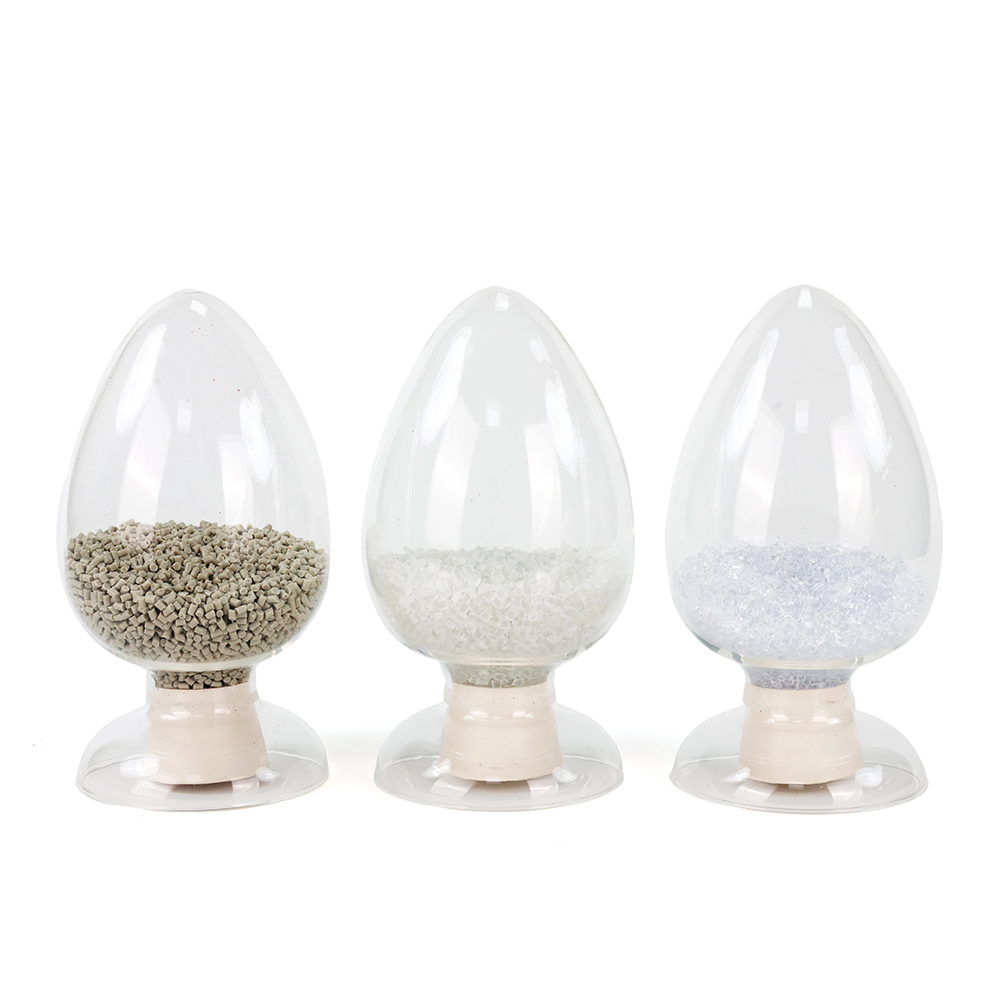
Nylon grades are selected in two steps: first choose the PA matrix, such as PA6, PA66, PA11, or PA12; then choose whether it remains unfilled or receives glass fiber, carbon fiber, impact, flame-retardant, wear, or other modification.
For the main commercial routes, unfilled PA is the baseline, GF20 adds moderate structural reinforcement, and CF30 targets higher specific stiffness or special electrical and dimensional requirements. The highest fiber percentage is not automatically the best grade.
Nylon Grade Selection at a Glance
| First Decision | Common Starting Point | Reason |
|---|---|---|
| General molded part | Unfilled PA6 or PA66 | Toughness, wear, and processing balance |
| Moderate deflection control | PA-GF20 | More stiffness with a broader balance than higher loading |
| Structural molded part | PA-GF30 | Common stiffness and dimensional-control route |
| High specific stiffness or ESD review | PA-CF30 | Weight, low CTE, or electrical formulation requirements |
| Wet dimensional service | PA12 or qualified modified grade | Lower moisture uptake |
Tổng quan về họ Nylon
| Hạng | Loại | Điểm nóng chảy | Độ ẩm (50% RH) | Đặc điểm chính |
|---|---|---|---|---|
| PA6 | Aliphatic | 220°C | 2.7% | Độ bền, khả năng gia công |
| PA66 | Aliphatic | 260°C | 2.5% | Độ bền, khả năng chịu nhiệt |
| PA11 | Có nguồn gốc sinh học | 185°C | 0.8% | Tính linh hoạt, độ ẩm thấp |
| PA12 | Aliphatic | 178°C | 0.7% | Khả năng hấp thụ độ ẩm thấp nhất |
| PA46 | Aliphatic | 295°C | 3.5% | Khả năng chịu nhiệt cao nhất |
PA6: Loại vật liệu đa năng và bền bỉ
PA6 là loại nylon được sử dụng rộng rãi nhất, chiếm khoảng 60% tổng lượng tiêu thụ nylon. Loại này mang lại sự cân bằng tuyệt vời giữa độ bền, độ dẻo dai và khả năng gia công.
Các đặc tính chính
- Độ bền kéo: 70–85 MPa
- Khả năng chống va đập tuyệt vời
- Độ nhẵn bề mặt tốt và khả năng lên màu tốt
- Khoảng thời gian gia công rộng hơn so với PA66
PA66: Tiêu chuẩn hiệu suất cao
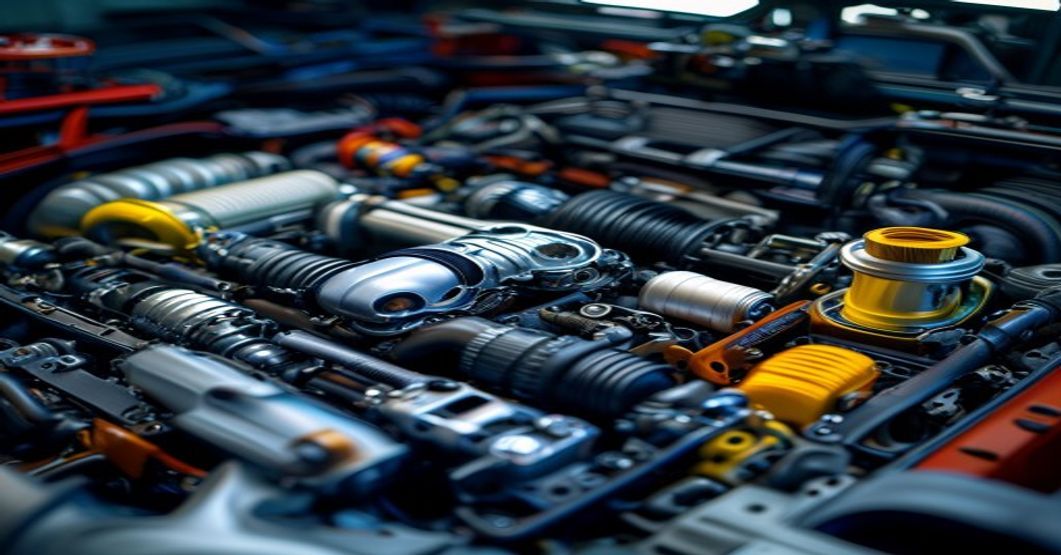
PA66 có độ bền và độ cứng cao hơn PA6 khoảng 10-15%, đồng thời có khả năng chịu nhiệt vượt trội. Đây là lựa chọn ưu tiên cho các ứng dụng đòi hỏi khắt khe.
PA11 và PA12: Các loại nylon chuyên dụng
PA11 và PA12 nổi bật nhờ khả năng hấp thụ độ ẩm cực thấp — dưới 1% ngay cả khi ở trạng thái bão hòa. Điều này mang lại cho chúng độ ổn định kích thước vượt trội.
PA46: Chuyên gia về nhiệt độ cao
PA46 (Stanyl) có khả năng chịu nhiệt cao nhất trong số các loại nylon aliphatic, với điểm nóng chảy là 295°C.
Base Resin and Reinforcement Are Separate Decisions
PA6-GF20 and PA66-GF20 share the same glass percentage but not the same moisture response, melting range, heat capability, or processing window. The same applies to PA6-CF30, PA66-CF30, and PA12-CF30. Drawings and purchase orders should identify the complete matrix and modification package.
- Unfilled PA: prioritize toughness, fatigue, wear, surface quality, and easier processing.
- GF20: use when moderate stiffness and lower shrinkage are needed without moving directly to a higher glass loading.
- GF30: use for a common structural balance, with gate, weld-line, and warpage review.
- CF30: use when specific stiffness, low thermal expansion, weight, or an electrical target justifies the premium and processing controls.
Hướng dẫn lựa chọn
| Yêu cầu | Cấp học được khuyến nghị |
|---|---|
| Dùng cho mục đích chung, chú trọng đến chi phí | PA6 |
| Nhiệt độ cao (>120°C) | PA66, PA46 |
| Môi trường ẩm ướt | PA12, PA11 |
| Độ cứng tối đa | PA66-GF30/50 |
Modified Nylon Grade and Supply Review
Nylon Plastic supplies unfilled and modified PA compounds, with primary article and product support centered on pure PA, PA-GF20, and PA-CF30 routes. Grade review should include the drawing, service conditions, required approvals, annual volume, color, and incumbent specification.
Common Nylon Grade Selection Mistakes
- Writing only “nylon” or “PA” on the drawing without identifying the matrix and modification.
- Comparing dry tensile values while the production part will operate in humid or conditioned service.
- Increasing fiber content before checking whether the real problem is geometry, gate position, weld lines, or creep.
- Choosing CF30 for maximum stiffness when a GF20 compound already meets the functional requirement at lower cost and processing risk.
- Assuming a flame, ESD, heat-stabilized, or approved formulation from the family name instead of the exact grade documentation.
Nylon Grade RFQ Checklist
A complete inquiry should identify the preferred PA matrix, reinforcement percentage, annual volume, drawing revision, color, molding process, service temperature, humidity, chemicals, impact, load duration, dimensional state, and regulatory requirements. Include the incumbent grade and failure mode when the request is a replacement project. This information allows the supplier to compare unfilled PA, GF20, GF30, and CF30 without relying on a generic strength ranking.
How Nylon Plastic Reduces Grade-Selection Risk
Buyers often receive quotations that list a resin family but omit the exact modification, conditioning state, or approval package. Nylon Plastic has worked across material modification and finished-product manufacturing since 2005, allowing one project review to connect grade selection with the intended molding, CNC, or 3D-printing route.
- Product focus: pure PA, PA-GF20, and PA-CF30 can be compared as distinct commercial routes.
- Chế tạo thuốc theo đơn đặt hàng: formulation review is available when standard grades do not meet stiffness, impact, color, wear, flame, or dimensional requirements.
- Manufacturing feedback: gate direction, machining deformation, moisture conditioning, or print orientation can be considered before material approval.
- Tài liệu dành cho người mua: the RFQ can define TDS, COA, compliance, sample, incoming inspection, and lot-approval expectations before volume ordering.
Câu hỏi thường gặp
Should I choose PA6 or PA66 for injection molding?
PA6 often provides a broader processing window and good toughness, while PA66 is commonly selected for higher strength and thermal margin. Moisture, impact, geometry, approvals, and exact grade data can change the decision.
When should an unfilled nylon grade be replaced with GF20?
Consider GF20 when the unfilled grade cannot meet deflection, creep, shrinkage, or loaded-temperature targets. Validate impact, weld lines, warpage, surface appearance, and tool wear before approval.
What is the difference between GF20 and CF30 nylon?
GF20 uses approximately 20% glass fiber and is generally a more cost-effective moderate reinforcement. CF30 uses approximately 30% carbon fiber and targets higher specific stiffness, lower thermal expansion, or electrical behavior, depending on the formulation.
What must a nylon grade RFQ include?
Include the PA matrix, reinforcement or modification, drawing, volume, service temperature, humidity, chemicals, load, impact, tolerances, color, flame rating, and regulatory requirements.
Bài đọc liên quan
- PA6 so với PA66: Loại nylon nào phù hợp với ứng dụng của bạn?
- PA6 so với PA12: Hướng dẫn thực tế về việc lựa chọn vật liệu nylon
- Nylon 12 (PA12) — Loại nylon kỹ thuật có khả năng chống ẩm tốt nhất
Request a Nylon Grade Review
Send the drawing, current material, target properties, annual volume, and operating environment. We can compare the matrix and modification separately before recommending unfilled PA, GF20, GF30, or CF30.