Cơ sở kinh doanh cho việc giảm trọng lượng trong ngành ô tô
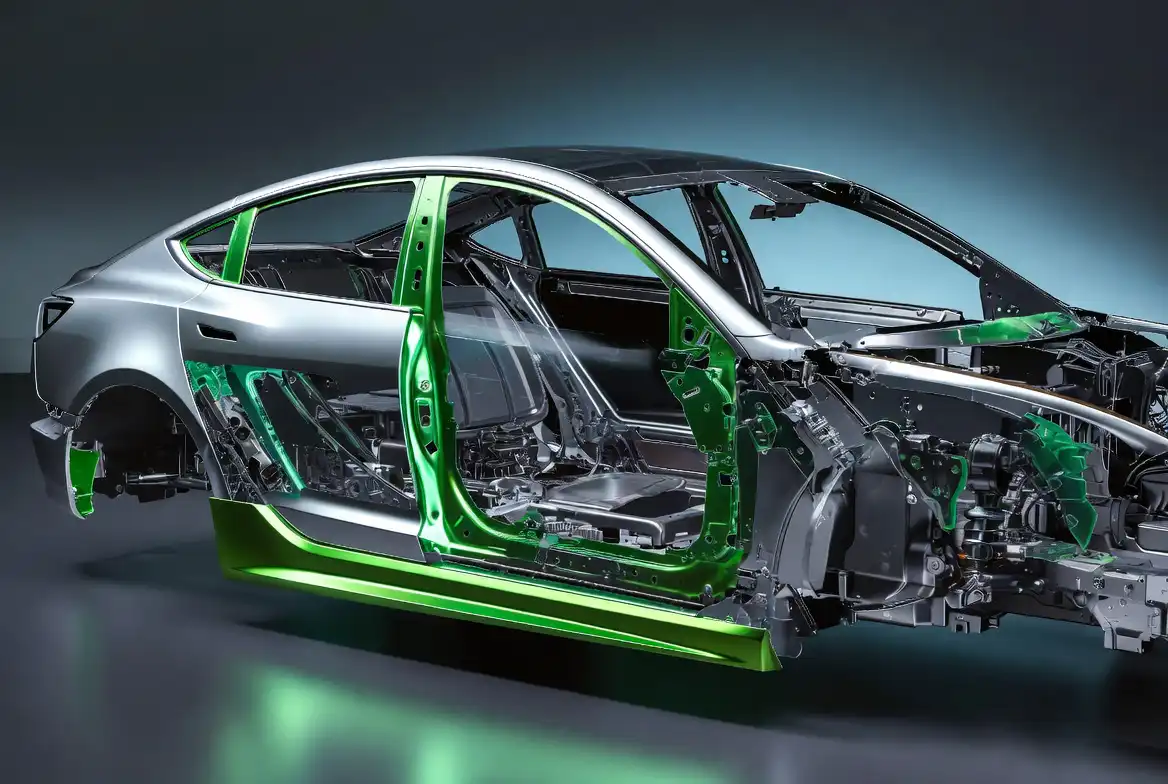
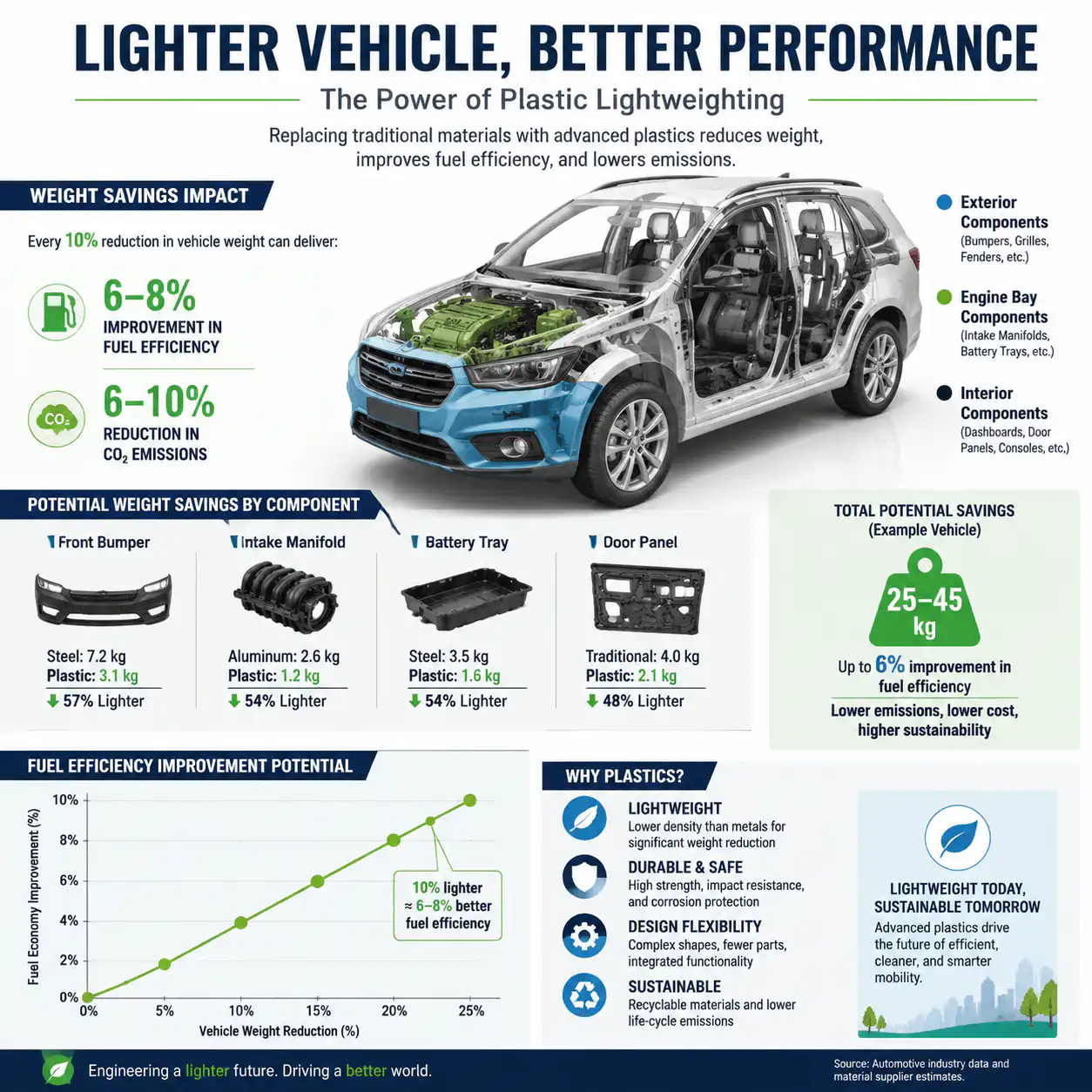
Việc giảm trọng lượng bằng nhựa trong ngành ô tô đã phát triển từ một biện pháp tiết kiệm trọng lượng mang tính phụ trợ thành một trụ cột chính trong chiến lược kỹ thuật xe hơi. Các quy định về tiết kiệm nhiên liệu — bao gồm tiêu chuẩn CAFE (Tiêu thụ nhiên liệu trung bình của doanh nghiệp) tại Hoa Kỳ, các yêu cầu về khí thải Euro 7 và các mục tiêu tiêu thụ nhiên liệu Giai đoạn V của Trung Quốc — đang áp đặt các giới hạn ngày càng nghiêm ngặt đối với mức tiêu thụ trung bình của toàn bộ đội xe. Nguyên lý vật lý đã được chứng minh rõ ràng: mỗi 10% giảm trọng lượng xe sẽ mang lại mức cải thiện tiết kiệm nhiên liệu khoảng 6% đến 8% đối với xe động cơ đốt trong và tăng phạm vi lái xe tương ứng với tỷ lệ phần trăm đó đối với xe điện chạy bằng pin. Đối với một chiếc xe điện có phạm vi hoạt động 400 km, việc giảm 100 kg trọng lượng tương đương với việc tăng thêm khoảng 6 đến 8 km phạm vi hoạt động.
Nhựa kỹ thuật mang lại giải pháp giảm trọng lượng hiệu quả nhất về mặt chi phí so với các vật liệu nhẹ thay thế khác. Mặc dù vật liệu composite sợi carbon có thể giảm trọng lượng nhiều hơn — thường từ 50% đến 60% so với thép — nhưng chi phí trên mỗi kilogram trọng lượng tiết kiệm được lại cao gấp 5 đến 10 lần so với nhựa nhiệt dẻo gia cường sợi thủy tinh. Nhôm nằm ở vị trí trung gian, với mức giảm trọng lượng 40% so với thép nhưng chi phí vật liệu cao gấp khoảng hai lần. Ngược lại, nylon gia cố bằng sợi thủy tinh (PA66-GF30) giúp giảm trọng lượng từ 30% đến 40% so với thép với chi phí vật liệu tương đương hoặc cao hơn một chút so với nhôm, nhưng chi phí gia công và lắp ráp lại thấp hơn đáng kể nhờ cơ hội hợp nhất các bộ phận.
Thay thế kim loại: Các nghiên cứu điển hình về ứng dụng đã được chứng minh
Giá đỡ và bộ gắn động cơ
Việc thay thế các giá đỡ bằng nhôm đúc và thép dập bằng vật liệu PA66 gia cố sợi thủy tinh là một trong những giải pháp chuyển đổi từ kim loại sang nhựa đã được chứng minh hiệu quả và được áp dụng rộng rãi nhất trong ngành công nghiệp ô tô. Một giá đỡ động cơ PA66-GF35 điển hình nhẹ hơn 40% so với phiên bản bằng nhôm tương đương, đồng thời vẫn đáp ứng các yêu cầu về tải trọng tĩnh và động giống hệt nhau. Quy trình đúc phun cho phép tích hợp các chốt lắp, hoa văn gân và các tính năng giảm chấn trực tiếp vào hình dạng chi tiết — những tính năng mà nếu sử dụng giá đỡ kim loại sẽ cần phải thực hiện các công đoạn gia công thứ cấp.
Một trường hợp đáng chú ý liên quan đến một nhà sản xuất thiết bị gốc (OEM) châu Âu đã chuyển đổi sáu giá đỡ dưới nắp ca-pô từ nhôm đúc áp lực sang PA66-GF35, giúp giảm tổng trọng lượng 1,8 kg cho mỗi xe và giảm chi phí 22% cho mỗi giá đỡ. Chương trình này đã thu hồi vốn đầu tư vào khuôn mẫu trong vòng 18 tháng đầu tiên kể từ khi bắt đầu sản xuất và mang lại mức tiết kiệm chi phí trên mỗi sản phẩm vượt quá $3.00 cho mỗi xe với sản lượng hàng năm là 200.000 chiếc.
Mô-đun phía trước và vỏ kết cấu
Các mô-đun phía trước — các cụm cấu trúc tích hợp giá đỡ tản nhiệt, vỏ đèn pha, giá đỡ chốt nắp ca-pô và các cấu trúc bảo vệ người đi bộ — chủ yếu đã được chuyển sang sử dụng polypropylene gia cố sợi thủy tinh dài (LGF-PP) và PA6-GF trong hai thập kỷ qua. Một khung gầm phía trước hiện đại làm từ LGF-PP tích hợp những bộ phận trước đây là 15 đến 25 chi tiết thép dập và các bộ phận đúc phun riêng lẻ thành một cụm đúc duy nhất, giúp giảm số lượng chi tiết xuống 70% và giảm công sức lắp ráp từ 40% đến 60%.
Việc lựa chọn vật liệu được quyết định bởi sự kết hợp khắt khe của các yêu cầu: độ cứng kết cấu để chịu được khối lượng của bộ tản nhiệt và bình ngưng, khả năng hấp thụ năng lượng trong các tình huống va chạm với người đi bộ, độ ổn định kích thước trong dải nhiệt độ từ âm 40 độ C đến 120 độ C, và khả năng chống lại các chất lỏng ô tô bao gồm dung dịch làm mát, dung dịch rửa kính và muối rải đường. Vật liệu LGF-PP chứa sợi thủy tinh dài 40% đạt được giá trị mô-đun kéo vượt quá 8.000 MPa đồng thời duy trì các chế độ gãy dẻo, vốn được ưa chuộng trong các ứng dụng hấp thụ năng lượng.
Các bộ phận kết cấu bên trong
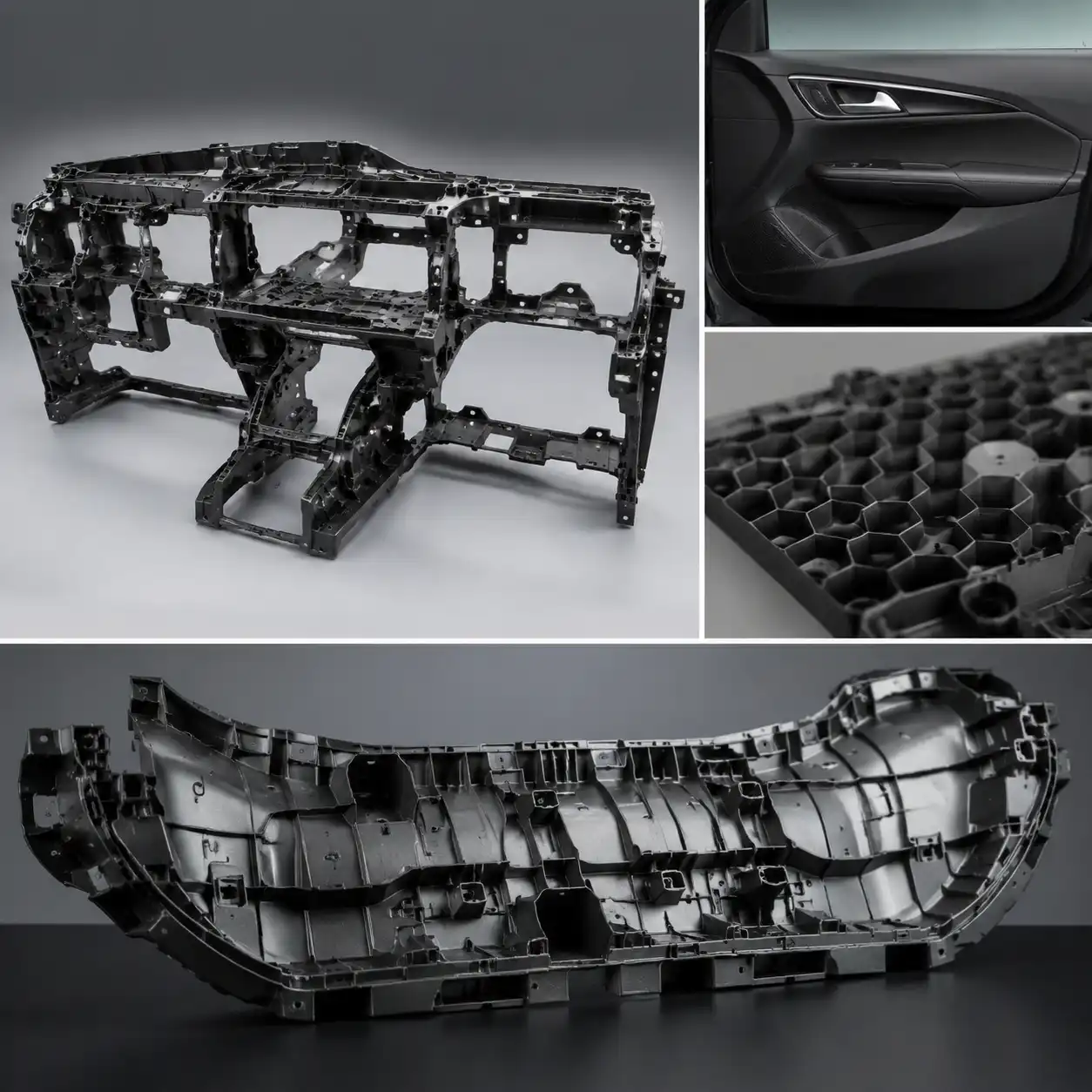
Khung bảng điều khiển, khung ghế và khung mô-đun cửa là những bộ phận có tiềm năng thay thế kim loại lớn nhất trong nội thất. Một khung bảng điều khiển làm từ PA6 gia cố sợi thủy tinh thường thay thế cụm ống thép hàn và giá đỡ dập có trọng lượng từ 12 đến 15 kg bằng một chi tiết đúc duy nhất nặng từ 6 đến 8 kg. Giải pháp nhựa này còn mang lại hiệu suất NVH (Tiếng ồn, Rung động và Độ gồ ghề) vượt trội nhờ đặc tính giảm chấn vốn có của nhựa nhiệt dẻo so với thép, đồng thời cho phép tích hợp ống dẫn HVAC, các kênh dẫn dây điện và các điểm gắn túi khí hành khách trực tiếp vào cấu trúc đúc.
Lựa chọn vật liệu để giảm trọng lượng xe ô tô
| Chất liệu | Mật độ (g/cm³) | Độ bền kéo (MPa) | HDT ở áp suất 1,8 MPa (°C) | Các ứng dụng điển hình | Tiết kiệm trọng lượng so với thép |
|---|---|---|---|---|---|
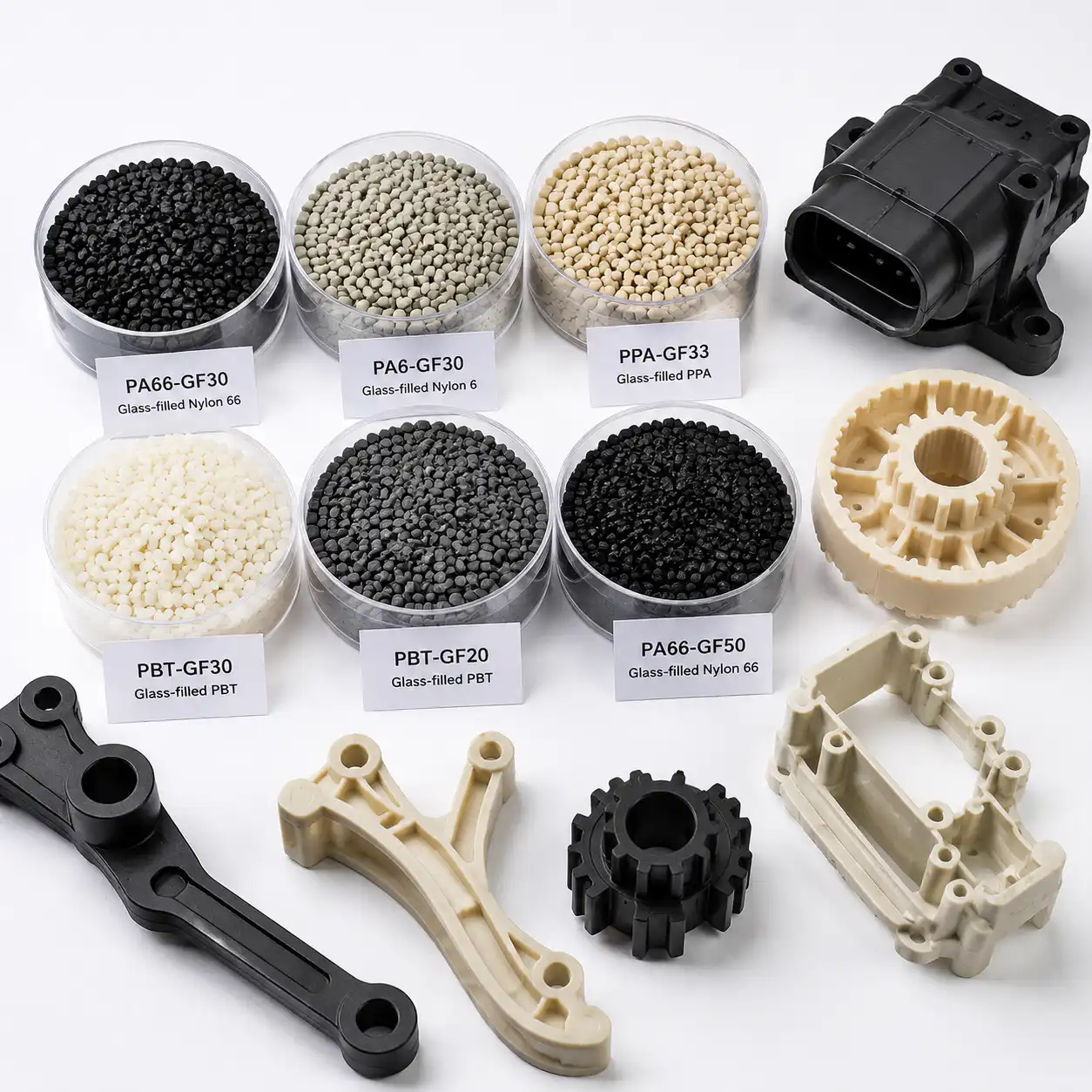
| PA66-GF30 | 1.37 | 180 – 200 | 250 | Giá đỡ động cơ, ống nạp, vỏ kết cấu | 35 – 40% |
| PA6-GF30 | 1.36 | 160 – 185 | 200 | Vỏ quạt, vỏ động cơ, cấu trúc nội thất | 30 – 35% |
| PP-GF40 (LGF) | 1.22 | 110 – 130 | 158 | Các mô-đun phía trước, khay pin, tấm chắn gầm xe | 40 – 45% |
| PPS-GF40 | 1.66 | 180 – 200 | 260 | Bơm chất làm mát, vỏ van nhiệt, các bộ phận hệ thống EGR | 25 – 30% |
| PA46-GF30 | 1.41 | 200 – 220 | 290 | Các bộ phận của bộ tăng áp, ống dẫn khí nạp, bộ căng xích | 30 – 35% |
| PPE/PA-GF30 | 1.22 | 120 – 140 | 200 | Tấm chắn bùn, các tấm thân xe bên ngoài | 42 – 48% |
Hướng dẫn lựa chọn vật liệu theo khu vực ứng dụng
Việc lựa chọn vật liệu nhằm giảm trọng lượng trong ngành ô tô về cơ bản phụ thuộc vào môi trường nhiệt và hóa học của khu vực ứng dụng. Mỗi khu vực đều đặt ra những yêu cầu về tính năng riêng biệt, từ đó thu hẹp phạm vi các loại polymer phù hợp.
Ứng dụng dưới nắp ca-pô (hoạt động liên tục trong khoảng từ 120°C đến 200°C)
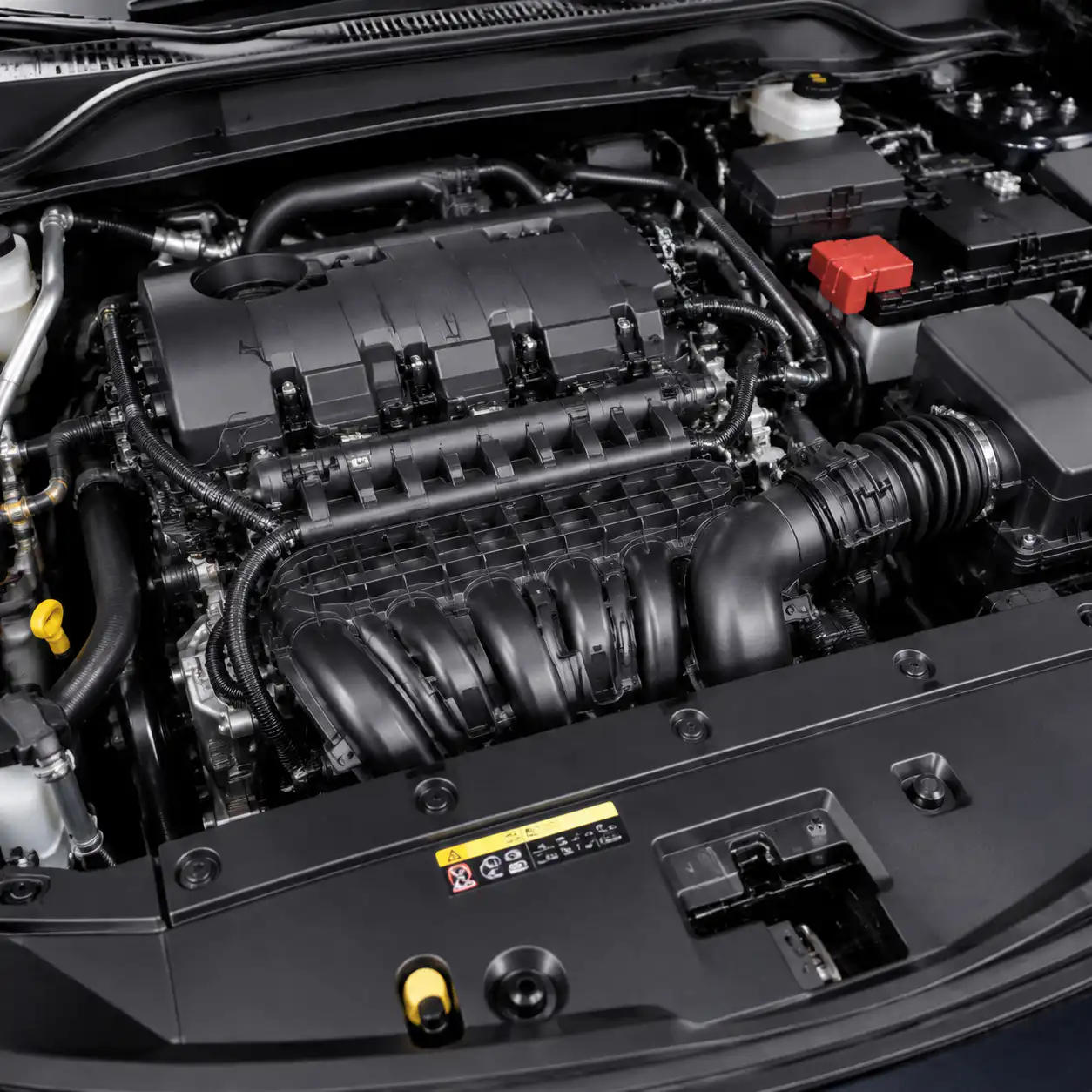
Các bộ phận dưới nắp ca-pô phải đối mặt với môi trường nhiệt khắc nghiệt nhất trong xe. Nhiệt độ hoạt động liên tục từ 120°C đến 150°C là điều thường thấy, với những đợt tăng nhiệt đột ngột lên đến 180°C hoặc cao hơn gần các bộ phận của hệ thống xả. Các chất hóa học tác động bao gồm dầu động cơ, chất làm mát (hỗn hợp ethylene glycol/nước), dầu hộp số, dầu phanh và muối rải đường. Các vật liệu chính để giảm trọng lượng dưới mui xe là PA66-GF với các gói ổn định nhiệt, thường được đánh giá cho nhiệt độ sử dụng liên tục từ 130°C đến 150°C; PPS-GF dành cho các ứng dụng yêu cầu sử dụng liên tục ở 180°C với khả năng chống hóa chất vượt trội; và PA46-GF dành cho các ứng dụng khắc nghiệt nhất dưới nắp ca-pô với nhiệt độ gần 200°C, đặc biệt là trong môi trường động cơ tăng áp.
Ứng dụng trong nhà (từ -30°C đến 85°C)
Các bộ phận nội thất phải đối mặt với các yêu cầu về nhiệt độ không quá khắt khe, nhưng lại đặt ra những tiêu chuẩn nghiêm ngặt về mức phát thải thấp (VOC/FOG), độ ổn định trước tia UV, khả năng chống trầy xước và hư hỏng, cũng như an toàn cho hành khách. Các vật liệu phải đáp ứng các tiêu chuẩn về tính dễ cháy, bao gồm FMVSS 302 tại Bắc Mỹ và GB 8410 tại Trung Quốc. Các vật liệu chính bao gồm PP chứa talc dùng làm nền cho bảng điều khiển và tấm ốp cửa, hỗn hợp PC/ABS dùng cho các chi tiết trang trí và các bộ phận của bảng điều khiển trung tâm, và PA6-GF dùng cho các bộ phận kết cấu nội thất như khung ghế và giá đỡ bảng điều khiển.
Ứng dụng ngoài trời (từ -40°C đến 90°C, tiếp xúc với tia UV)
Các tấm thân xe bên ngoài và các bộ phận kết cấu bên ngoài phải chịu được bức xạ tia cực tím, va đập do đá, sự thay đổi nhiệt độ lớn và tiếp xúc với hóa chất tại trạm rửa xe. Để đảm bảo độ bám dính của sơn trên bề mặt nền nhựa, cần phải sử dụng các hệ thống sơn lót chuyên dụng hoặc công nghệ phủ trong khuôn. Các vật liệu chủ yếu là hỗn hợp PPE/PA cho các tấm thân xe sơn do chúng kết hợp giữa mật độ thấp, khả năng chịu nhiệt cao trong các chu kỳ sấy sơn và độ ổn định kích thước tuyệt vời; và LGF-PP cho các tấm chắn gầm xe và các bộ phận kết cấu bên ngoài, nơi các công thức ổn định tia UV mang lại hiệu suất chống chịu thời tiết phù hợp mà không cần sơn.
Đúc bọt cấu trúc nhằm giảm trọng lượng
Đúc bọt cấu trúc — còn được gọi là tạo bọt hóa học hoặc vật lý — là quá trình đưa chất tạo bọt vào dòng vật liệu nóng chảy để tạo ra cấu trúc lõi vi tế bào bên trong chi tiết đúc. Kết quả là một cấu trúc dạng sandwich với các lớp vỏ rắn bao quanh lõi xốp, giúp giảm trọng lượng chi tiết từ 10% đến 30% đồng thời vẫn duy trì được tỷ lệ cao độ cứng của polymer rắn nhờ mô đun tiết diện tăng lên do tiết diện dày hơn và có mật độ thấp hơn.
Quy trình MuCell, công nghệ tạo bọt vi tế bào được áp dụng rộng rãi nhất, bơm nitơ hoặc carbon dioxide ở trạng thái siêu tới hạn vào thùng ép để tạo ra một dung dịch đơn pha, từ đó hình thành hàng tỷ tế bào vi mô trong quá trình đổ đầy khuôn. Các chi tiết đúc bằng công nghệ MuCell có độ cong vênh thấp hơn, yêu cầu lực kẹp khuôn thấp hơn (giúp giảm chi phí khuôn cho các chi tiết lớn) và gần như loại bỏ hoàn toàn các vết lõm — một lợi thế thẩm mỹ đáng kể cho các ứng dụng bề mặt loại A. Hạn chế hiện tại là chất lượng bề mặt: quy trình tạo bọt có thể tạo ra các vết xoáy trên các bề mặt lộ ra ngoài, hạn chế việc sử dụng công nghệ này trong các bộ phận lộ ra ngoài chưa sơn.
Xác nhận CAE và FEA cho các bộ phận kết cấu bằng nhựa
Việc chuyển đổi một chi tiết kim loại sang nhựa đòi hỏi một phương pháp kỹ thuật hoàn toàn khác biệt. Các thiết kế kim loại dựa trên các tính chất vật liệu đẳng hướng và hành vi mỏi đã được mô tả rõ ràng. Nhựa đúc phun thể hiện các tính chất cơ học dị hướng do hướng của sợi trong quá trình đổ đầy khuôn, và hành vi của chúng bị ảnh hưởng mạnh mẽ bởi nhiệt độ, tốc độ biến dạng và độ hút ẩm.
Việc phát triển các bộ phận nhựa hiện đại dựa trên các quy trình làm việc CAE tích hợp, kết hợp mô phỏng quá trình đổ đầy khuôn (Moldflow hoặc Moldex3D) với phân tích phần tử hữu hạn (FEA) về cấu trúc (Abaqus, ANSYS hoặc LS-DYNA). Phân tích đổ khuôn dự đoán hướng sợi tại mọi vị trí trên chi tiết, và ma trận hướng này được ánh xạ lên lưới FEA để các tính chất vật liệu dị hướng được thể hiện chính xác. Phương pháp phân tích kết hợp này là yếu tố thiết yếu để dự đoán chính xác độ cứng, độ bền và — quan trọng nhất — tuổi thọ mỏi trong các vật liệu nhiệt dẻo gia cường sợi thủy tinh, nơi hướng sợi có thể tạo ra tỷ lệ độ cứng dọc so với độ cứng ngang lên đến 3:1 hoặc cao hơn.
Hướng dẫn thiết kế cho các bộ phận nhựa nhẹ
| Yếu tố thiết kế | Khuyến nghị | Lý do |
|---|---|---|
| Độ dày thành danh nghĩa | 2,0 – 3,5 mm đối với các bộ phận chịu lực, 1,5 – 2,5 mm đối với các bộ phận không chịu lực | Cân bằng giữa khả năng đúc, độ bền và thời gian chu kỳ; thành mỏng hơn giúp tăng cường lợi thế của sự định hướng sợi |
| Độ dày của xương sườn | 50 – 60% độ dày danh nghĩa của thành ống ở phần chân | Ngăn ngừa hiện tượng lõm bề mặt; các đường gân dày hơn gây ra các khuyết tật bề mặt có thể nhìn thấy được |
| Chiều cao xương sườn | Tối đa gấp 3 lần độ dày danh định của thành ống | Các thanh giằng cao hơn chỉ làm tăng độ cứng một chút nhưng lại gây ra những khó khăn trong quá trình nạp và phóng |
| Góc soạn thảo | Tối thiểu 1° mỗi bên, 3° đối với bề mặt có hoa văn | Đảm bảo quá trình đẩy ra diễn ra trơn tru, không để lại vết kéo; các bề mặt có kết cấu cần có độ nghiêng bổ sung |
| Tỷ lệ OD/ID của Boss | OD phải lớn hơn ít nhất 2 lần so với ID, đường kính đáy phải lớn hơn ít nhất 2,5 lần so với ID | Đảm bảo độ cứng vòng đủ để giữ vít mà không gây lún quá mức |
| Bán kính góc | Độ dày trong tối thiểu 0,5 mm, ưu tiên độ dày gấp 1,5 lần độ dày thành | Giảm sự tập trung ứng suất; các góc trong nhọn là những vị trí chính gây ra sự hư hỏng |
Các yếu tố cần xem xét về NVH trong kết cấu nhựa
Hiệu suất về tiếng ồn, rung động và độ gồ ghề (NVH) là một yếu tố quan trọng cần xem xét trong quá trình chuyển đổi từ kim loại sang nhựa. Các cấu trúc thép cung cấp cả khối lượng và độ cứng, vốn có khả năng làm giảm sự truyền rung động. Các cấu trúc nhựa, với khối lượng thấp hơn và các đặc tính độ cứng khác biệt, đòi hỏi phải có các giải pháp kỹ thuật NVH được tính toán kỹ lưỡng ngay từ những giai đoạn thiết kế đầu tiên.
Đặc tính thuận lợi của nhựa đối với NVH là khả năng giảm chấn vốn có của vật liệu — hệ số tổn hao của nylon gia cố sợi thủy tinh vào khoảng 0,02 đến 0,04, so với khoảng 0,001 của thép, có nghĩa là các cấu trúc bằng nhựa tiêu tán năng lượng rung động hiệu quả hơn từ 20 đến 40 lần ở cấp độ vật liệu. Tuy nhiên, lợi thế này bị bù đắp một phần do khối lượng giảm, điều này làm tăng tần số tự nhiên và có thể đẩy các chế độ cộng hưởng vào các dải tần số gây vấn đề. Phân tích phương thức trong giai đoạn thiết kế là rất cần thiết để đảm bảo rằng tần số tự nhiên của kết cấu không trùng với tần số nổ máy (thường là 20 đến 200 Hz đối với động cơ 4 xi-lanh ở chế độ không tải đến vòng tua tối đa) hoặc tần số kích thích do đường gây ra (5 đến 25 Hz).
Câu hỏi thường gặp
Việc thay thế các bộ phận kim loại bằng nhựa kỹ thuật có thể giúp giảm được bao nhiêu trọng lượng?
Trong các ứng dụng kết cấu, nylon và polypropylene gia cố sợi thủy tinh thường giúp giảm trọng lượng từ 30% đến 45% so với thép và từ 15% đến 25% so với nhôm, trong khi vẫn đảm bảo độ cứng và độ bền tương đương. Mức tiết kiệm chính xác phụ thuộc vào ứng dụng cụ thể, điều kiện tải trọng và khả năng tối ưu hóa hình dạng chi tiết để gia công nhựa. Mức tiết kiệm lớn nhất đạt được khi nhiều thành phần kim loại có thể được hợp nhất thành một cụm nhựa đúc duy nhất, loại bỏ các chi tiết buộc và công sức lắp ráp, đồng thời giảm khối lượng vật liệu. Trên thực tế, một chiếc xe chở khách cỡ trung bình áp dụng giải pháp giảm trọng lượng bằng nhựa toàn diện có thể giảm trọng lượng không tải từ 40 đến 80 kg so với thiết kế truyền thống sử dụng nhiều kim loại.
Những điểm khác biệt chính giữa PA6 và PA66 trong việc giảm trọng lượng xe ô tô là gì?
PA66 có nhiệt độ uốn cong cao hơn (khoảng 250°C đối với GF30 so với 200°C đối với PA6-GF30), độ cứng vượt trội ở nhiệt độ cao và khả năng chống mỏi tốt hơn. Đây là lựa chọn mặc định cho các ứng dụng kết cấu dưới nắp ca-pô. PA6 mang lại bề mặt đẹp hơn với độ co ngót khuôn thấp hơn, độ bền va đập vượt trội ở nhiệt độ thấp và chi phí vật liệu thấp hơn khoảng 10% đến 15%. Loại vật liệu này thường được ưa chuộng cho các bộ phận kết cấu nội thất và nắp khoang động cơ có thể nhìn thấy. Sự lựa chọn giữa hai loại vật liệu này cuối cùng phụ thuộc vào môi trường nhiệt: nếu nhiệt độ sử dụng liên tục vượt quá 120°C, PA66 thường là lựa chọn bắt buộc; dưới ngưỡng này, PA6 thường mang lại giải pháp tiết kiệm chi phí hơn.
Việc hấp thụ độ ẩm ảnh hưởng như thế nào đến hiệu suất của các bộ phận ô tô làm bằng nylon?
Nylon (PA6 và PA66) hấp thụ độ ẩm từ môi trường ở mức cân bằng khoảng 2,5% đến 3,5% theo trọng lượng tại độ ẩm tương đối 50%. Sự hấp thụ độ ẩm này hoạt động như một chất làm dẻo, làm giảm độ bền kéo từ 20% đến 30% và mô đun từ 30% đến 50%, đồng thời tăng độ bền va đập và độ dẻo. Đối với các ứng dụng trong ngành ô tô, trạng thái “đã điều hòa” (đạt cân bằng độ ẩm) là điều kiện thiết kế phù hợp cho tất cả các bộ phận, ngoại trừ những bộ phận hoạt động liên tục ở nhiệt độ cao, nơi độ ẩm bị bay hơi. Phân tích kết cấu phải sử dụng các tính chất vật liệu đã được điều hòa; việc thiết kế dựa trên các tính chất khi mới đúc khô sẽ dẫn đến kết quả không bảo thủ. Tác động của độ ẩm là có thể đảo ngược — các bộ phận đã được sấy khô sẽ hấp thụ lại độ ẩm khi tiếp xúc với độ ẩm môi trường.
Quy trình làm việc tiêu chuẩn kết hợp phần mềm mô phỏng ép phun (Autodesk Moldflow hoặc Moldex3D) với các bộ giải FEA kết cấu (Abaqus, ANSYS Mechanical hoặc LS-DYNA cho phân tích va chạm). Mô phỏng quá trình lấp đầy khuôn tạo ra các tensor định hướng sợi và phân bố ứng suất dư, sau đó được ánh xạ lên lưới FEA. Digimat thường được sử dụng làm công cụ giao diện để chuyển đổi dữ liệu định hướng thành các tính chất vật liệu dị hướng cho bộ giải FEA kết cấu. Đối với phân tích va chạm và tác động, cần có các bộ giải FEA rõ ràng như LS-DYNA hoặc Radioss để nắm bắt hành vi vật liệu phụ thuộc vào tốc độ biến dạng và sự hỏng hóc dần dần. Việc xác nhận mô hình mô phỏng so với thử nghiệm thực tế trên linh kiện là rất quan trọng — mối tương quan giữa độ cứng dự đoán và độ cứng đo được trong phạm vi 10% và tải trọng hỏng hóc trong phạm vi 15% được coi là chấp nhận được để xác minh thiết kế ban đầu.
Các bộ phận kết cấu bằng nhựa có thể tái chế được khi xe hết tuổi thọ không?
Đúng vậy. Các loại nhựa nhiệt dẻo chưa được lấp đầy và được gia cường bằng sợi thủy tinh được sử dụng trong ngành ô tô có thể được tái chế cơ học thông qua các quy trình đã được thiết lập. Phế liệu sau công nghiệp từ các hoạt động đúc thường được nghiền lại và trộn với nguyên liệu thô theo tỷ lệ từ 10% đến 30% mà không làm suy giảm đáng kể các tính chất, miễn là vật liệu đó không trải qua quá trình gia nhiệt quá mức. Việc tái chế nhựa ô tô sau tiêu dùng khó khăn hơn do các yêu cầu về phân tách vật liệu, nhưng về mặt kỹ thuật thì hoàn toàn khả thi. Chỉ thị về xe hết tuổi thọ của EU (2000/53/EC) quy định tỷ lệ thu hồi 95% và tái chế 85% theo trọng lượng, thúc đẩy sự phát triển liên tục của các công nghệ tháo dỡ và phân loại. Thiết kế để tháo dỡ — đảm bảo rằng các bộ phận nhựa lớn có thể được tách ra nhanh chóng khỏi xe trong quá trình tháo dỡ — là một yếu tố ngày càng quan trọng trong thiết kế các bộ phận nhựa ô tô.
Bài đọc liên quan
- Metal-to-Plastic Conversion Guide
- PA66 GF30 vs GF50 Selection Guide
- Plastic Part Surface Finishing and Mold Texture Guide