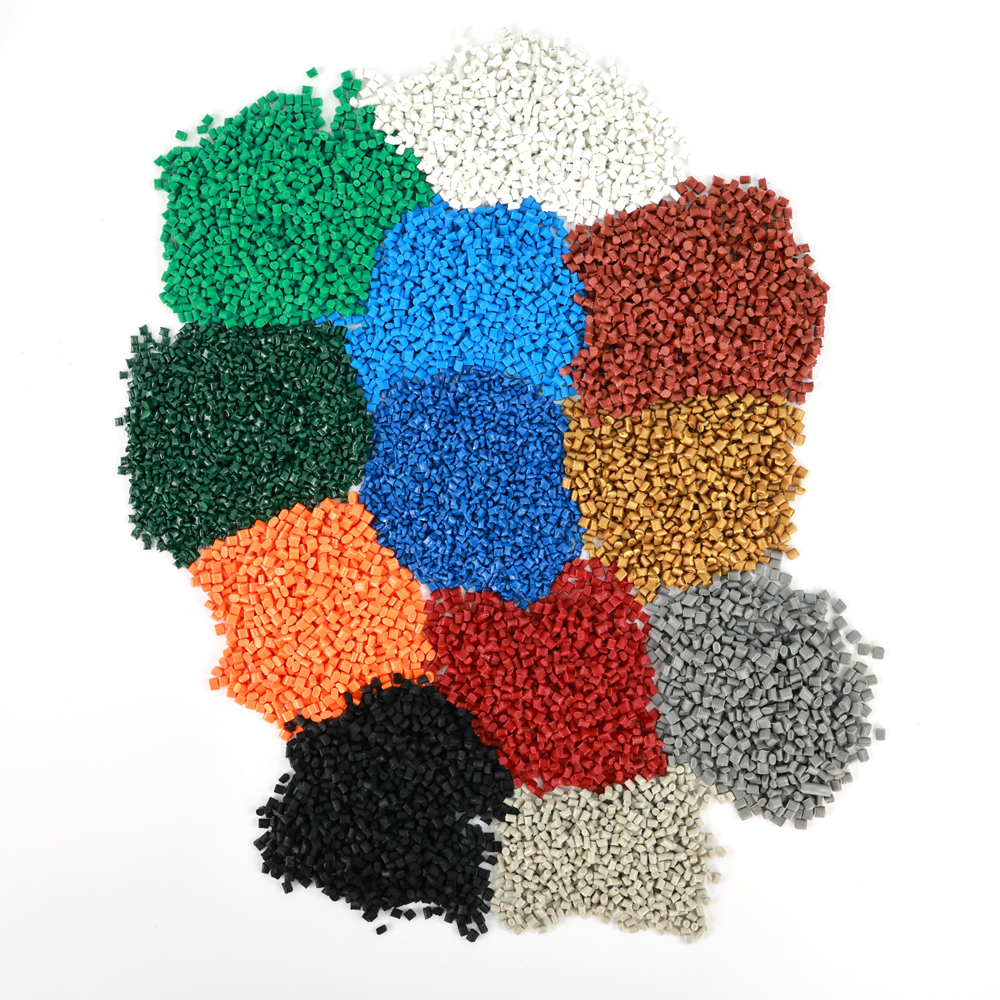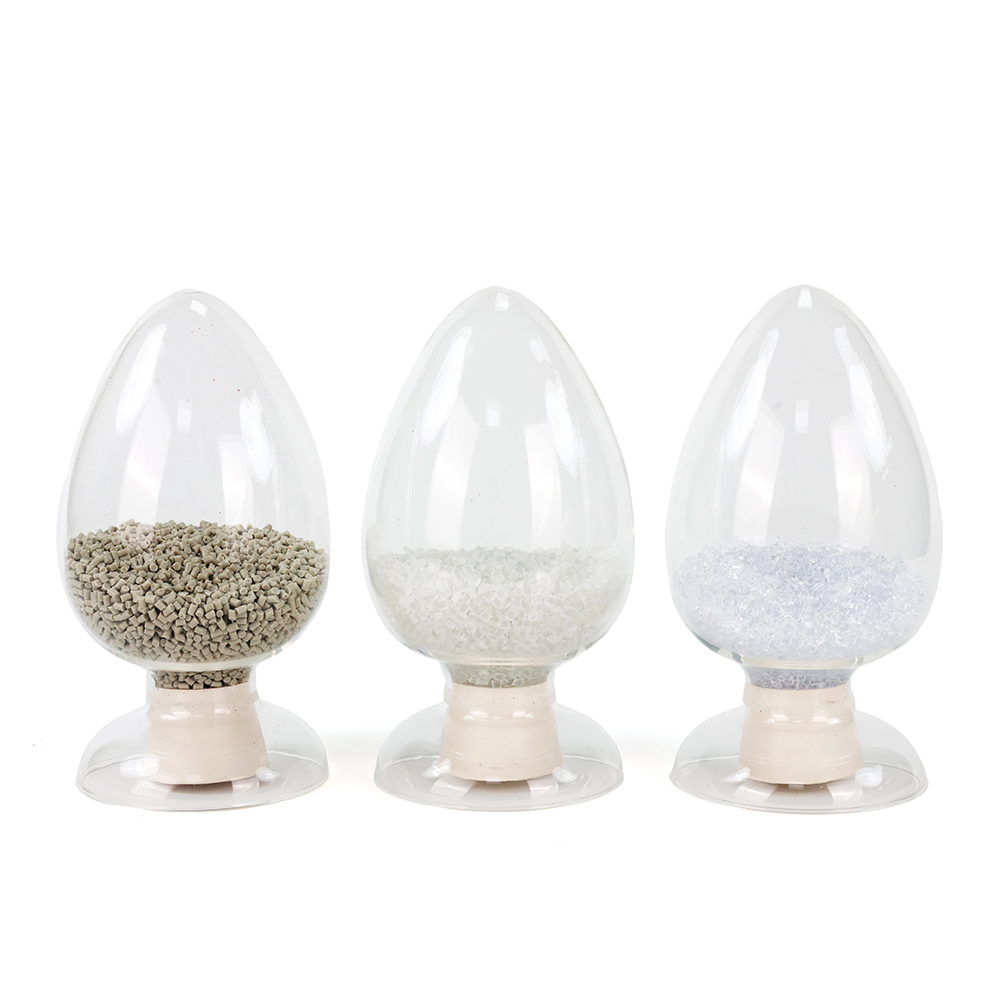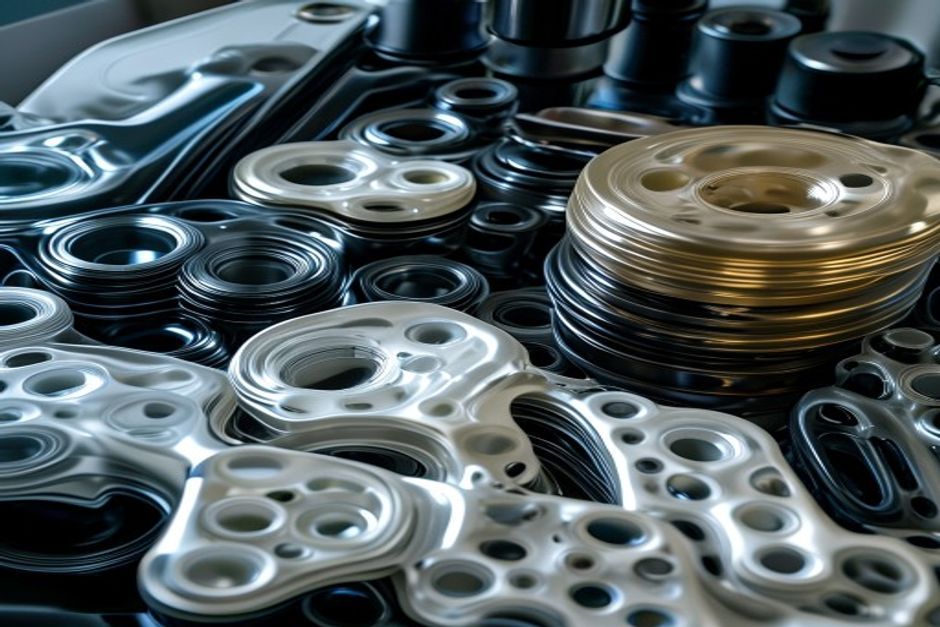
PTFE (Polytetrafluoroethylene) and PEEK (Polyether Ether Ketone) represent the pinnacle of engineering plastic technology. Both are classified as high-performance polymers, capable of operating in extreme environments that would destroy conventional engineering plastics.

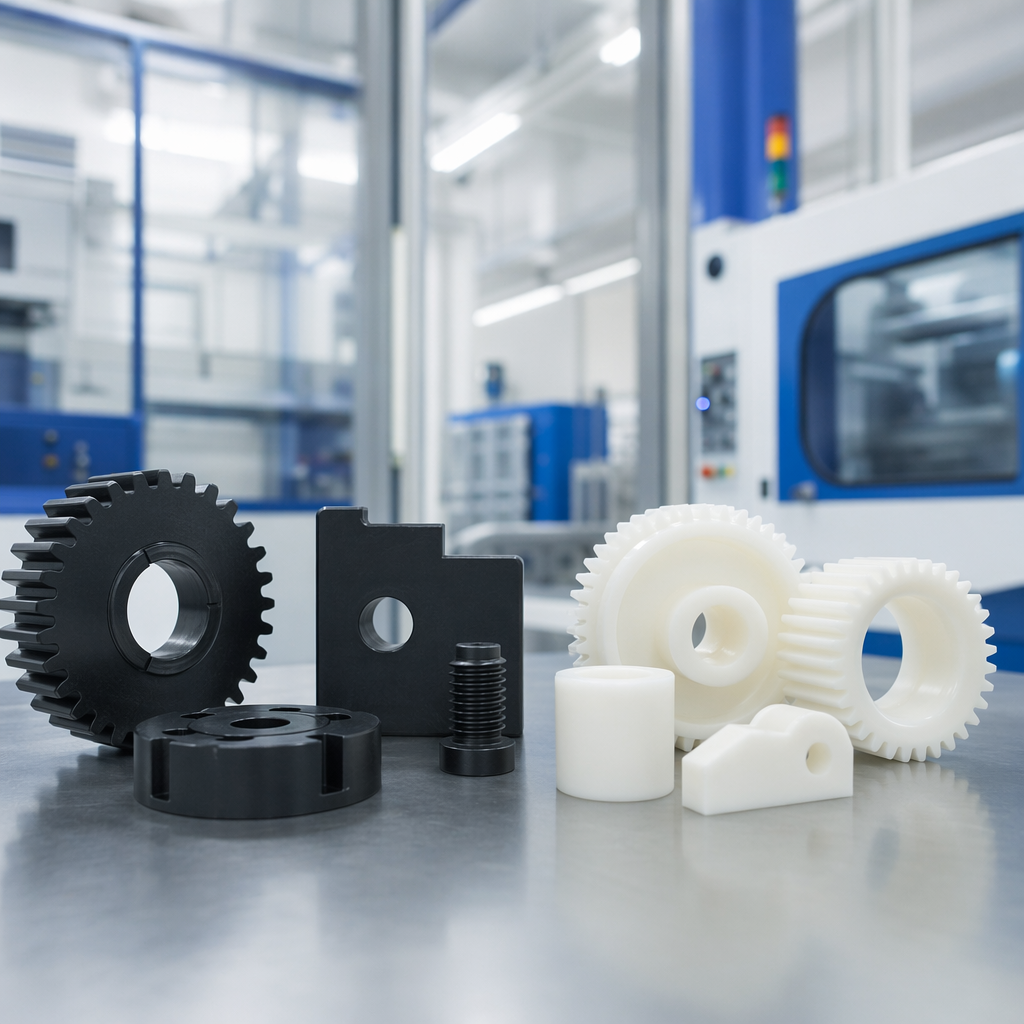
PTFE Properties
PTFE offers virtually complete chemical resistance (inert against all common chemicals except molten alkali metals and fluorine), temperature range from -200°C to +260°C, coefficient of friction of 0.05-0.10 (lowest of any solid material), and excellent electrical insulation properties.
PEEK Properties
PEEK provides tensile strength of 90-100 MPa (3-5x stronger than PTFE), temperature resistance up to 250°C continuous, excellent creep resistance at elevated temperatures, and radiation resistance for demanding applications. Carbon fiber reinforced PEEK reaches 200+ MPa tensile strength.
Hướng dẫn lựa chọn
Choose PTFE for chemical resistance and low friction. Choose PEEK for mechanical strength at temperature. For engineering applications, our PA66-CF30 mang lại tỷ lệ cường độ trên trọng lượng tuyệt vời.
Source High-Performance Materials
As a specialized source manufacturer, we supply PTFE and PEEK in rod, sheet, and tube forms with full traceability. Liên hệ với chúng tôi để biết thông tin về giá cả.
Nhận báo giá miễn phí
Hãy điền vào biểu mẫu dưới đây và các kỹ sư của chúng tôi sẽ phản hồi trong vòng 24 giờ.
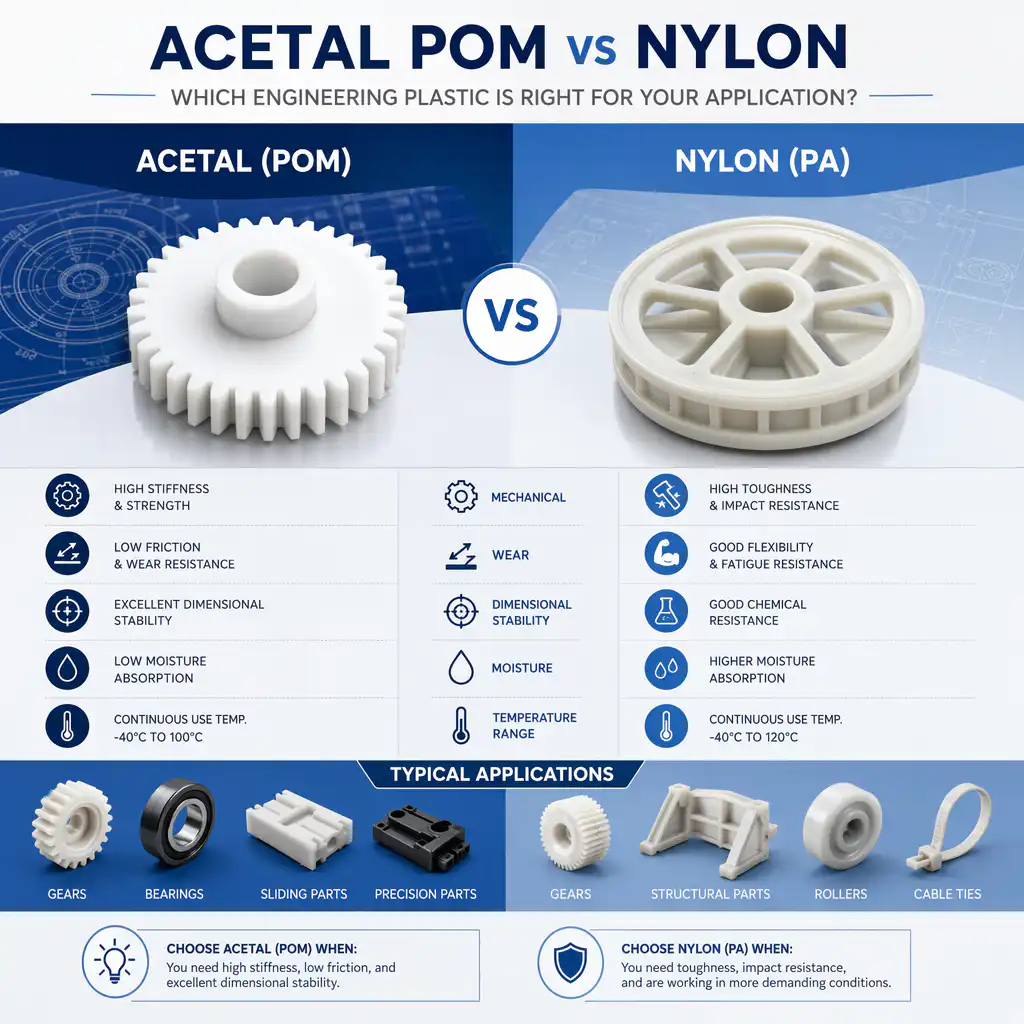
Acetal POM vs Nylon Decision Table
| Yêu cầu | Acetal POM | Nylon |
|---|---|---|
| Friction and wear | Low friction, good sliding behavior and dimensional stability | Good wear options, often with higher moisture sensitivity |
| Độ ẩm | Very low absorption for stable fits | Absorption can change dimensions and stiffness |
| Strength and heat | Balanced strength with a moderate temperature envelope | Broader reinforced and high-temperature grade choices |
| Process route | Injection molding or CNC with controlled burrs and stress | Dry resin, manage shrinkage and validate fiber orientation where filled |
Choose from the load, friction, moisture, heat and tolerance stack-up of the completed part. Test the actual mating surface, press fit, gear tooth or bushing rather than relying only on a resin datasheet.
Câu hỏi thường gặp
Khi nào thì việc so sánh Acetal POM với Nylon — Loại nhựa kỹ thuật nào phù hợp với ứng dụng của bạn? là một lựa chọn hợp lý?
Acetal POM so với Nylon — Loại nhựa kỹ thuật nào phù hợp với ứng dụng của bạn? Đây là lựa chọn phù hợp khi các yếu tố như chu kỳ phát triển nhanh, hình học phức tạp, chi phí khuôn mẫu thấp hoặc sản xuất số lượng nhỏ được ưu tiên hơn so với chi phí đơn vị của chi tiết đúc.
Cần kiểm tra những yếu tố nào trước khi lựa chọn giữa Acetal POM và Nylon — Loại nhựa kỹ thuật nào phù hợp với ứng dụng của bạn??
Kiểm tra kích thước chi tiết, tính chất vật liệu, độ nhám bề mặt, dung sai kích thước, mức độ tiếp xúc với nhiệt, hướng tải trọng và xem có cần xử lý sau gia công hay không.
So sánh Acetal POM và Nylon — Loại nhựa kỹ thuật nào phù hợp với ứng dụng của bạn? — như thế nào khi gia công CNC?
In 3D có thể tạo ra các hình dạng phức tạp một cách nhanh chóng, trong khi gia công CNC thường mang lại độ bền cao hơn cho các bề mặt chính xác, dung sai chặt chẽ hơn và sử dụng vật liệu đạt tiêu chuẩn sản xuất.
Yếu tố nào ảnh hưởng đến giá thành của Acetal POM so với Nylon — Loại nhựa kỹ thuật nào phù hợp với ứng dụng của bạn??
Chi phí phụ thuộc vào vật liệu, thể tích in, thời gian in, độ dày lớp, việc tháo khung đỡ, hoàn thiện, kiểm tra và số lượng chi tiết trong mô hình.