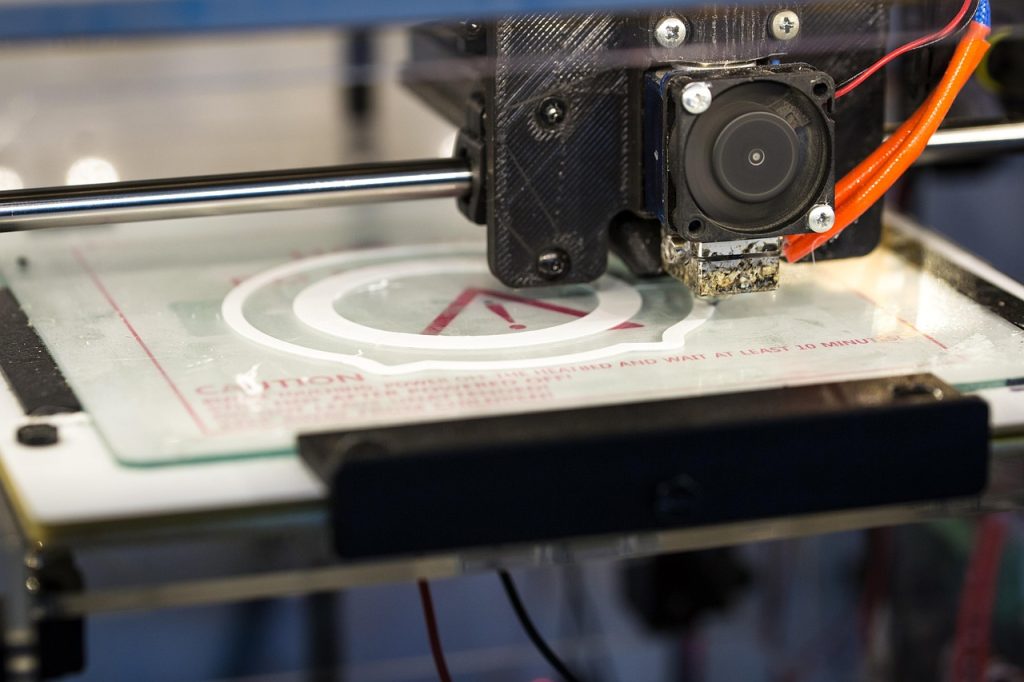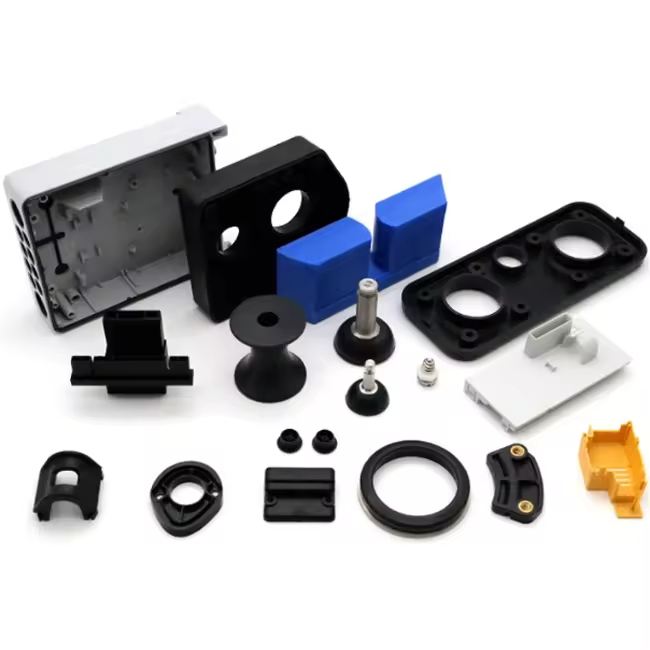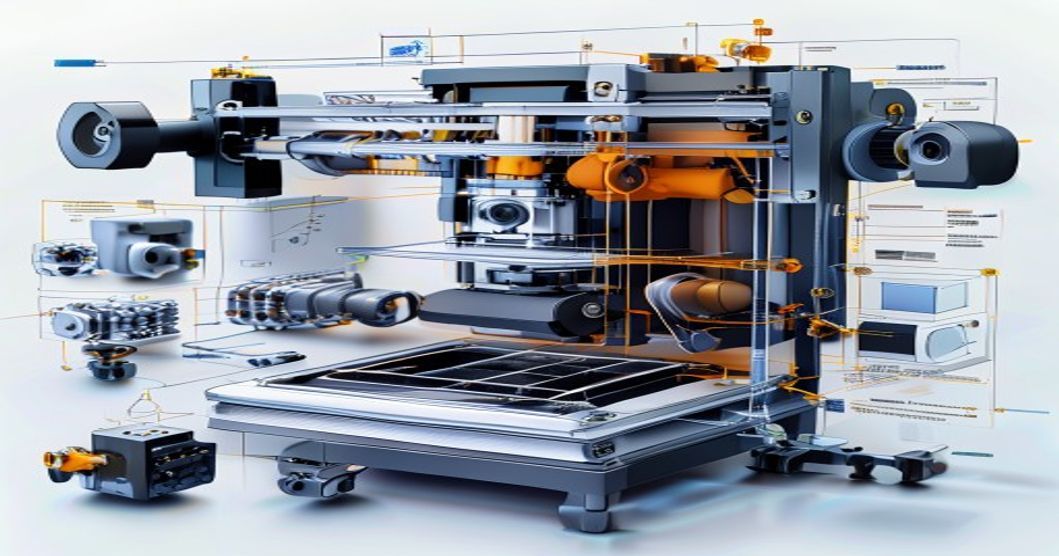
The 3d printer extruder is arguably the most critical mechanical component in any FDM printer. It is responsible for feeding filament into the hot end at a precise, consistent rate, directly determining print quality, material compatibility, and maximum print speed. Whether you are building your first printer, troubleshooting inconsistent extrusion, or planning an upgrade, understanding how extruders work is essential knowledge.
What Is a 3D Printer Extruder
In FDM 3D printing, the extruder assembly performs two primary functions: gripping the filament and pushing it through the hot end at a controlled rate. The term “extruder” can refer to the entire assembly (cold end + hot end) or specifically to the cold end section that feeds filament. In this guide, we use the broader definition covering the complete extrusion system.
Direct Drive vs Bowden Extruders
The first major decision in any extruder setup is the drive configuration. Both systems have passionate advocates and specific strengths.
| Tính năng | Direct Drive | Bowden |
|---|---|---|
| Motor Location | Mounted directly on print head | Mounted on printer frame |
| Filament Path | Short (~40-60mm) | Long (300-800mm via PTFE tube) |
| Retraction Control | Excellent, short retractions | Requires longer retractions |
| Tốc độ in | Limited by moving mass | Faster, less moving mass |
| Flexible Filaments | Excellent for TPU and flexibles | Challenging, filament buckling |
Direct drive excels with flexible filaments and precise retraction control, making it the preferred choice for TPU, advanced PLA formulations, and print quality-focused setups. Bowden systems reduce the moving mass of the print head, allowing faster print speeds and less ringing on tall prints, but struggle with flexible materials due to filament compression in the long PTFE tube.
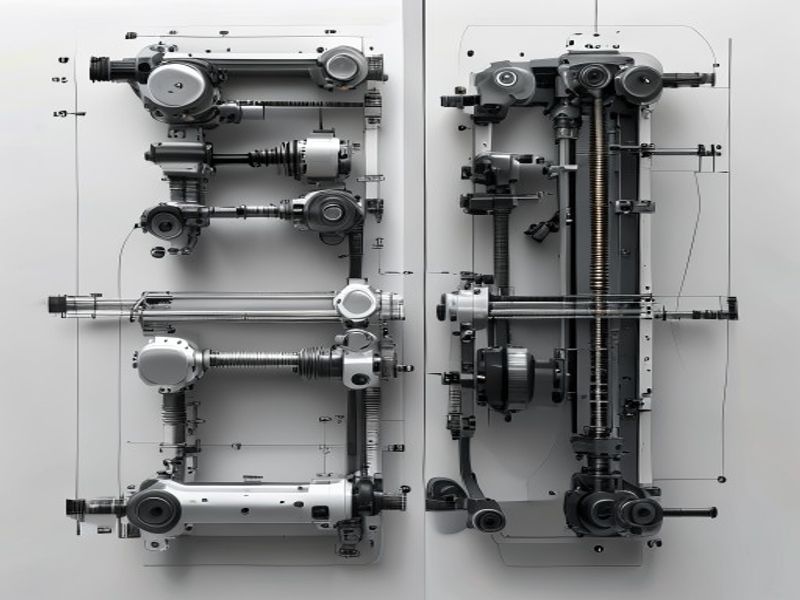
Key Components of a 3D Printer Extruder
Every extruder assembly contains several critical components that must work together precisely:
- Stepper motor — Typically a NEMA 17 motor providing 40-60 Ncm of torque. Higher torque motors (e.g., 0.9-degree steppers) offer finer extrusion control at the cost of reduced maximum speed
- Drive gear (hobbed gear) — The toothed wheel that grips and feeds filament. Single-drive gears use a bearing opposite the gear; dual-drive gears grip filament from both sides, reducing slippage with soft materials
- Idler tension mechanism — A spring-loaded bearing that presses filament against the drive gear. Tension must be carefully adjusted: too loose causes skipping, too tight deforms filament and increases motor load
- Filament guide path — A precisely machined channel that aligns filament with the drive gear and hot end inlet. Any misalignment causes inconsistent feeding
- Hot end (heat break, heater block, nozzle) — The heated section where filament melts. All-metal hot ends handle higher temperatures (up to 300°C+) for engineering materials; PTFE-lined hot ends are limited to approximately 240°C but offer smoother filament flow
Hot End vs Cold End
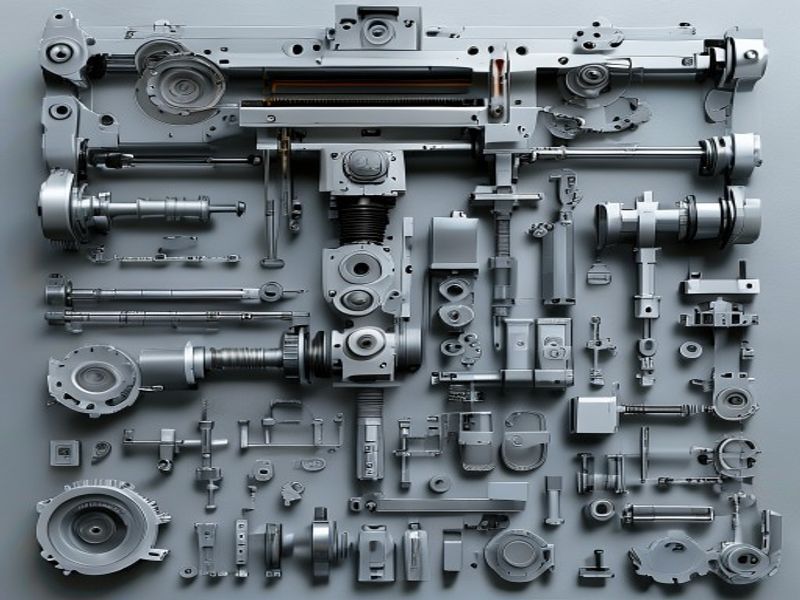
The extruder is divided into two thermal zones separated by the heat break. The cold end stays cool (maintains filament rigidity for controlled feeding) while the hot end melts filament for deposition. The heat break (throat) provides the thermal barrier between these zones and is one of the most underrated components in print quality. A poorly designed heat break allows heat creep, where heat travels upward and softens filament prematurely, causing jams that are notoriously frustrating to clear.
Single vs Dual Gear Extruders
Dual-gear extruders grip filament from both sides, distributing drive force more evenly. This configuration offers more consistent feeding, less filament deformation, and reduced risk of grinding soft materials. For PLA+ and other modified filaments that may be slightly softer than standard PLA, dual-gear extruders provide more reliable printing with fewer skipped steps.
Why Choose Nylon Plastic for Your 3D Printing and Engineering Plastic Needs
With over 10 years of experience in engineering plastics, Nylon Plastic supplies high-performance materials to B2B clients worldwide. Our product range covers nylon (PA6, PA66, PA12), POM, PEEK, and 3D printing filaments including PLA, PLA+, and PETG. Every batch is tested for diameter tolerance (±0.03mm), moisture content, and mechanical properties before shipping.
- ISO 9001 certified manufacturing facilities
- Bulk supply with competitive B2B pricing
- Technical support for material selection and printing parameters
- Fast global shipping from multiple warehouses
- Custom material formulation available for OEM projects
Câu hỏi thường gặp
When is 3D Printer Extruder Guide: Types, Components and How They Work a good option?
3D Printer Extruder Guide: Types, Components and How They Work is a good option when fast iteration, complex geometry, low tooling cost, or low-volume production is more important than molded-part unit cost.
What should be checked before choosing 3D Printer Extruder Guide: Types, Components and How They Work?
Kiểm tra kích thước chi tiết, tính chất vật liệu, độ nhám bề mặt, dung sai kích thước, mức độ tiếp xúc với nhiệt, hướng tải trọng và xem có cần xử lý sau gia công hay không.
How does 3D Printer Extruder Guide: Types, Components and How They Work compare with CNC machining?
In 3D có thể tạo ra các hình dạng phức tạp một cách nhanh chóng, trong khi gia công CNC thường mang lại độ bền cao hơn cho các bề mặt chính xác, dung sai chặt chẽ hơn và sử dụng vật liệu đạt tiêu chuẩn sản xuất.
What affects the cost of 3D Printer Extruder Guide: Types, Components and How They Work?
Chi phí phụ thuộc vào vật liệu, thể tích in, thời gian in, độ dày lớp, việc tháo khung đỡ, hoàn thiện, kiểm tra và số lượng chi tiết trong mô hình.