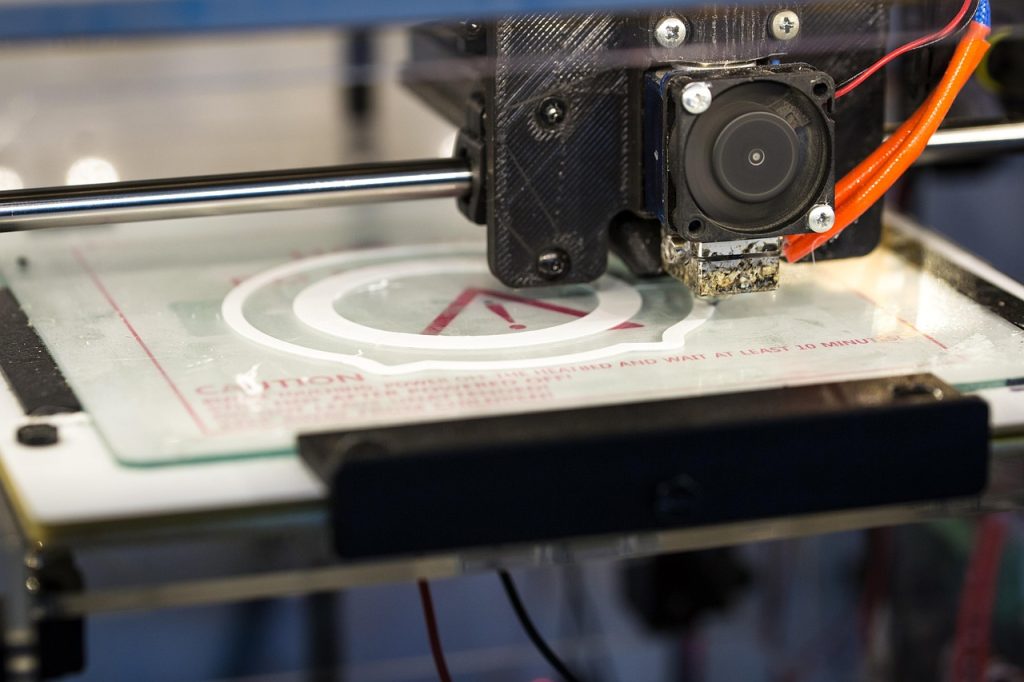
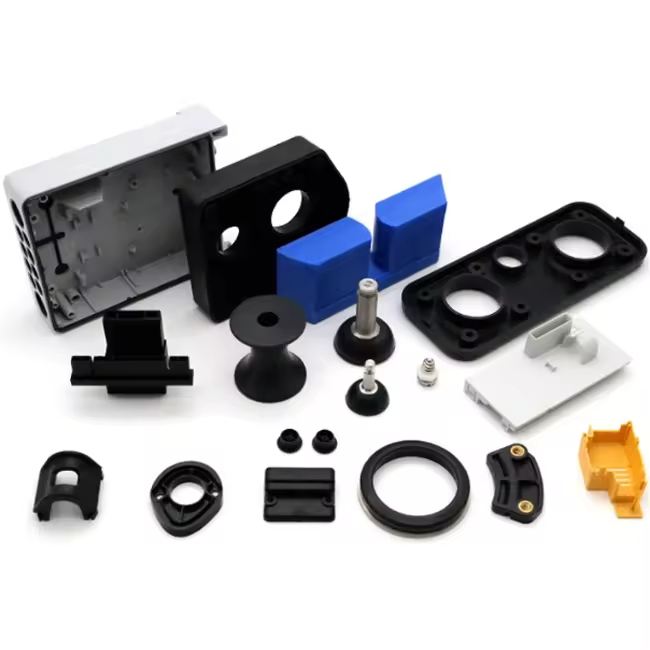
PLA+ vs PLA is a useful comparison when printability, stiffness, and heat resistance need to be balanced for the final part.
PLA+ là một chủ đề kỹ thuật thực tiễn khi bạn cần so sánh các phương án, kiểm tra các giới hạn và lựa chọn quy trình có mức độ rủi ro thấp hơn.

When engineers compare pla+ vs pla for real-world applications, they need more than anecdotal experience. They need quantified data on strength, thermal behavior, and print quality. This article provides a detailed, data-driven comparison of the mechanical and thermal properties that matter most for functional 3D printed parts.
PLA+ vs PLA: Tensile Strength Comparison
Tensile strength measures how much pulling force a material can withstand before breaking. In the pla+ vs pla comparison, this is where the most consistent difference appears:
| Test Specimen | Standard PLA | PLA+ (Brand A) | PLA+ (Brand B) |
|---|---|---|---|
| Tensile at Yield | 48-52 MPa | 52-58 MPa | 55-62 MPa |
| Tensile at Break | 42-48 MPa | 48-55 MPa | 50-58 MPa |
| Young’s Modulus | 3.0-3.5 GPa | 2,8–3,3 GPa | 2.9-3.4 GPa |
| Độ giãn dài khi đứt | 3-5% | 7-15% | 10-18% |
Heat Resistance: The Overlooked Differentiator
Heat resistance is measured by the Heat Deflection Temperature (HDT), which indicates the temperature at which a material begins to soften under load. When comparing pla+ vs pla in thermal performance, the differences are modest but can be significant in specific applications.
Standard PLA begins softening noticeably around 50-55°C. PLA+ typically adds 3-5°C to this threshold, reaching 55-60°C. While this seems minor, it can mean the difference between a part surviving in a hot car in summer (interior temperatures can reach 55-65°C in direct sunlight) or deforming within minutes. For parts intended for indoor use or temperature-controlled environments, this difference is irrelevant. For automotive interiors, kitchen appliances, or outdoor installations, it becomes critical.
Impact Resistance and Toughness
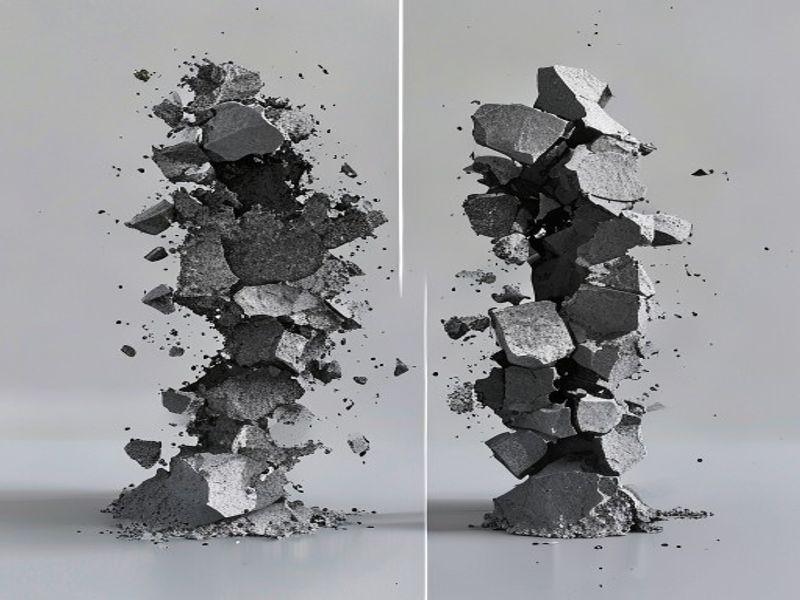
Impact resistance is the property that most dramatically separates pla+ vs pla. Standard PLA absorbs approximately 4-6 kJ/m² of impact energy before fracturing—roughly comparable to polystyrene. PLA+ absorbs 8-14 kJ/m², placing it closer to ABS in impact performance.
This 100-150% improvement transforms the practical utility of PLA-based parts. A gear printed in standard PLA will shatter if dropped onto a concrete floor from waist height. The same gear printed in PLA+ will typically survive multiple identical drops. For products shipped to customers, this shock-absorption capability significantly reduces damage during transit.
Layer Adhesion and Interlaminar Strength
Interlayer bonding strength is the Achilles heel of FDM printing, but it is an area where PLA+ excels. Standard PLA achieves 50-60% of its bulk strength across layer boundaries, creating natural fracture planes. PLA+ typically achieves 65-80% interlayer strength—a significant improvement that makes printed parts behave more like homogenous, injection-molded components.
Print Quality: PLA+ vs PLA Surface Finish
At optimized temperatures, PLA+ tends to produce a slightly glossier surface finish than standard PLA. The plasticizers and modifiers in PLA+ promote smoother melt flow, which fills minor gaps between extrusion lines more effectively. However, printing PLA+ at the wrong temperature (too low) magnifies surface defects because the modifiers interfere with proper melt behavior. Always perform temperature tower calibration when switching between PLA and PLA+ brands.
Why Choose Nylon Plastic for Your 3D Printing and Engineering Plastic Needs
With over 10 years of experience in engineering plastics, Nylon Plastic supplies high-performance materials to B2B clients worldwide. Our product range covers nylon (PA6, PA66, PA12), POM, PEEK, and 3D printing filaments including PLA, PLA+, and PETG. Every batch is tested for diameter tolerance (±0.03mm), moisture content, and mechanical properties before shipping.
- ISO 9001 certified manufacturing facilities
- Bulk supply with competitive B2B pricing
- Technical support for material selection and printing parameters
- Fast global shipping from multiple warehouses
- Custom material formulation available for OEM projects
PLA+ vs PLA: Which One Fits the Part?
| Yêu cầu | Quân Giải phóng Nhân dân | PLA+ |
|---|---|---|
| Print setup | Low barrier to entry and stable first-layer behavior | Usually similar settings, but the formulation varies by brand |
| Sự kiên cường | Good stiffness with lower impact tolerance | Often improved toughness, but verify the supplier’s test data |
| Heat exposure | Best for low-temperature service | May improve practical durability, but it is not automatically a high-temperature resin |
| Kiểm tra người mua | Confirm color, diameter and print profile | Confirm the additive package, conditioning and measured properties |
Choose by the completed part, not the “plus” label alone. Check the actual load, heat, impact and surface requirements, then test the printed orientation and post-processing condition you will use in production. For a broader four-material comparison, see the 3D printing materials guide.
Câu hỏi thường gặp
When is PLA+ vs PLA: Strength, Heat Resistance and Print Quality Compared a good option?
PLA+ vs PLA: Strength, Heat Resistance and Print Quality Compared is a good option when fast iteration, complex geometry, low tooling cost, or low-volume production is more important than molded-part unit cost.
What should be checked before choosing PLA+ vs PLA: Strength, Heat Resistance and Print Quality Compared?
Kiểm tra kích thước chi tiết, tính chất vật liệu, độ nhám bề mặt, dung sai kích thước, mức độ tiếp xúc với nhiệt, hướng tải trọng và xem có cần xử lý sau gia công hay không.
How does PLA+ vs PLA: Strength, Heat Resistance and Print Quality Compared compare with CNC machining?
In 3D có thể tạo ra các hình dạng phức tạp một cách nhanh chóng, trong khi gia công CNC thường mang lại độ bền cao hơn cho các bề mặt chính xác, dung sai chặt chẽ hơn và sử dụng vật liệu đạt tiêu chuẩn sản xuất.
What affects the cost of PLA+ vs PLA: Strength, Heat Resistance and Print Quality Compared?
Chi phí phụ thuộc vào vật liệu, thể tích in, thời gian in, độ dày lớp, việc tháo khung đỡ, hoàn thiện, kiểm tra và số lượng chi tiết trong mô hình.