Nylon and polypropylene are two of the most widely used thermoplastics in manufacturing. While they may appear similar at first glance, their properties, costs, and ideal applications differ significantly.
Material Overview
Nylon (polyamide) is an engineering thermoplastic known for its strength, toughness, and heat resistance. Polypropylene (PP) is a commodity thermoplastic valued for its chemical resistance, low density, and cost-effectiveness.
Key Property Differences at a Glance
| Tài sản | Nylon (PA6) | Polypropylene (PP) |
|---|---|---|
| Mật độ (g/cm³) | 1.13-1.15 | 0.90-0.91 |
| Độ bền kéo (MPa) | 70-85 | 25-40 |
| Điểm nóng chảy (°C) | 220 | 160-170 |
| Cost per kg (relative) | $$$ | $ |
Hiệu suất cơ học
Nylon significantly outperforms polypropylene in mechanical properties. Nylon offers 2-3 times the tensile strength and substantially higher stiffness.
Fatigue and Wear Resistance
Nylon exhibits excellent fatigue resistance and self-lubricating properties, making it ideal for gears, bearings, and moving parts.
Tính chất nhiệt
Nylon maintains its mechanical properties at significantly higher temperatures than polypropylene. While PP softens around 100°C, nylon (especially PA66) can operate continuously at 100-120°C.
Khả năng chống hóa chất
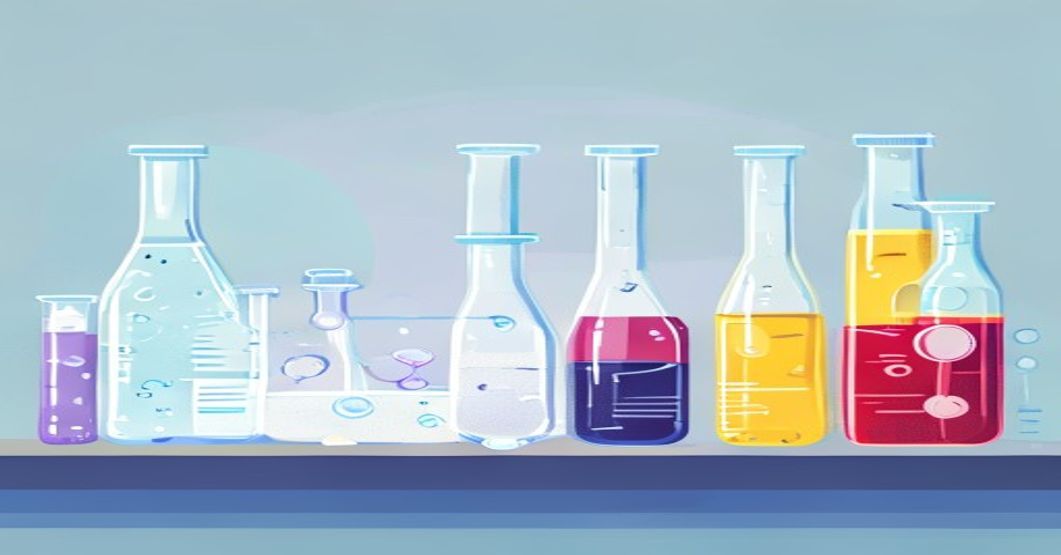
This is where polypropylene excels. PP has outstanding resistance to acids, bases, and many organic solvents. Nylon is susceptible to strong acids and certain solvents.
Moisture Behavior
Polypropylene is virtually hydrophobic—it absorbs almost no water. Nylon, in contrast, absorbs moisture from the environment, which can cause dimensional changes.
Processing and Manufacturing
Ép phun
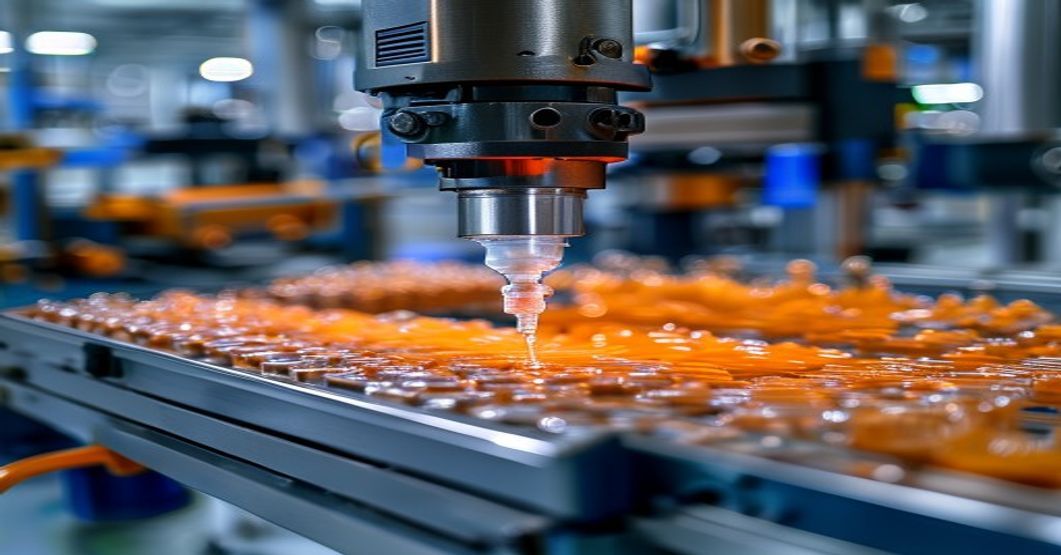
Both materials process well in injection molding: PP at 200-250°C with shorter cycles; Nylon at 230-300°C requiring careful drying.
Part Design Considerations
Polypropylene has higher shrinkage (1.5-2.5%) than nylon (0.8-1.5%), requiring more generous draft angles.
Cost Analysis
Polypropylene is one of the most economical thermoplastics available, typically costing 50-70% less than nylon per kilogram.
Hướng dẫn nộp đơn
Nên chọn nylon trong những trường hợp nào:
- High mechanical strength is required
- Parts will experience elevated temperatures
- Độ bền mài mòn rất quan trọng
- Applications: automotive components, power tools, industrial gears
Choose Polypropylene When:
- Chemical resistance is a priority
- Cost is the primary driver
- Moisture exposure is unavoidable
- Applications: chemical containers, living hinges, food packaging
Năng lực của chúng tôi
Với hơn 300 máy CNC, chúng tôi sản xuất hơn 10.000 chiếc mỗi ngày với độ dung sai chặt chẽ đến mức ±0,005 mm. Chúng tôi chấp nhận Số lượng đặt hàng tối thiểu (MOQ) từ 1 chiếc, với thời gian giao hàng dao động từ Từ 24 giờ đến 15 ngày. Nhận báo giá trong vòng 24 giờ.
Nylon vs Polypropylene: Practical Selection Table
| Yêu cầu | Nylon | Polypropylene |
|---|---|---|
| Strength and stiffness | Usually higher for load-bearing engineering parts | Lower density with useful fatigue flexibility |
| Độ ẩm | Absorbs moisture; condition and inspect dimensions | Very low water absorption but different creep behavior |
| Wear and heat | Useful wear and temperature options by grade | Good chemical resistance and living-hinge behavior |
| Processing choice | Dry resin and control shrinkage, flow and fiber orientation | Control shrinkage, weld lines and cooling balance |
Choose the resin from the service environment and inspection plan, not from tensile strength alone. Confirm moisture, temperature, chemical exposure, cycle life and allowable dimensional change on the finished part.
Câu hỏi thường gặp
How do you know whether Nylon vs Polypropylene: Material Selection Guide for Engineering Applications fits a part?
Nylon vs Polypropylene: Material Selection Guide for Engineering Applications fits a part when its load capacity, temperature range, moisture exposure, wear behavior, and processing method match the real service conditions.
What properties should be checked for Nylon vs Polypropylene: Material Selection Guide for Engineering Applications?
Kiểm tra độ bền, độ cứng, khả năng chịu va đập, khả năng chịu nhiệt, độ hút ẩm, độ ổn định kích thước, hệ số ma sát, độ mài mòn và tính tương thích hóa học.
What is the biggest selection risk for Nylon vs Polypropylene: Material Selection Guide for Engineering Applications?
Rủi ro lớn nhất là việc lựa chọn dựa trên giá trị trong bảng thông số kỹ thuật mà không tính đến điều kiện môi trường thực tế, phương pháp gia công, hình dạng chi tiết và việc sử dụng lâu dài.
When should Nylon vs Polypropylene: Material Selection Guide for Engineering Applications be tested before production?
Nên tiến hành thử nghiệm khi chi tiết phải chịu tải trọng, nhiệt độ cao, hóa chất, độ ẩm, dung sai chặt chẽ, các yêu cầu quy định hoặc môi trường vận hành mới.