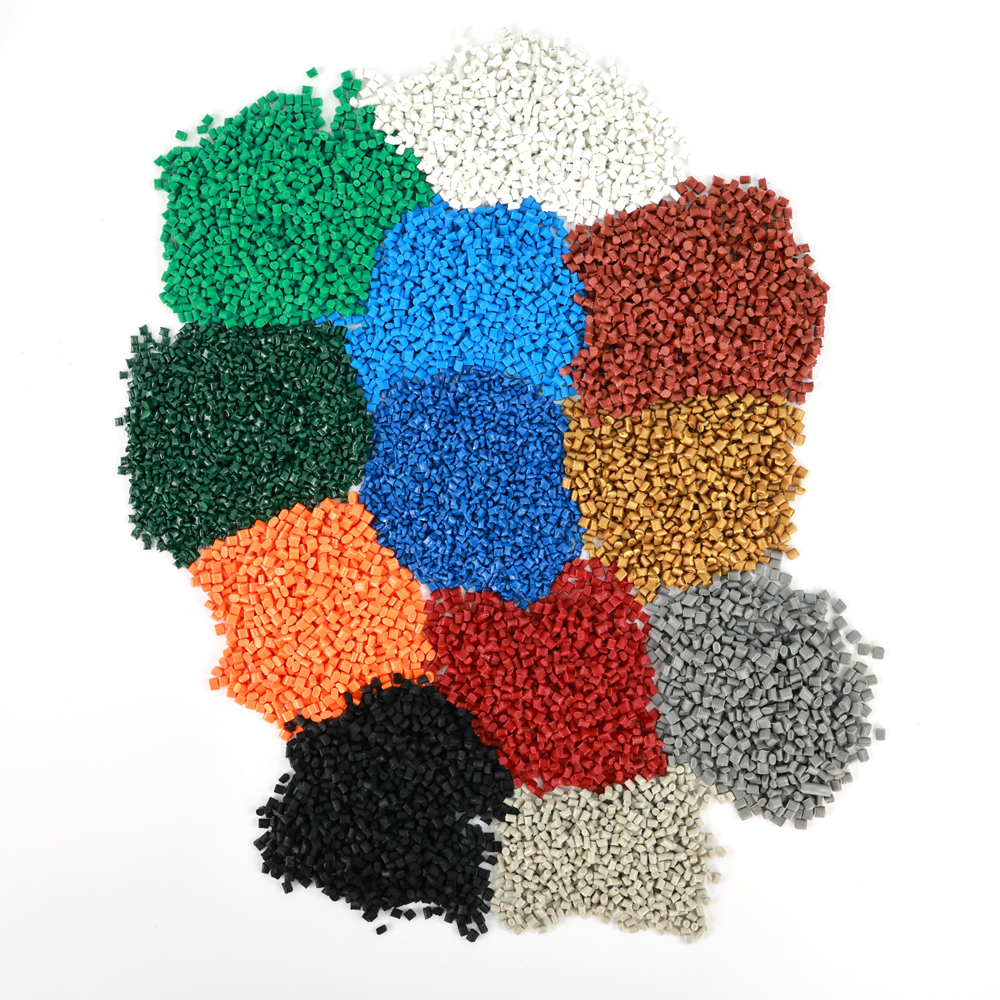
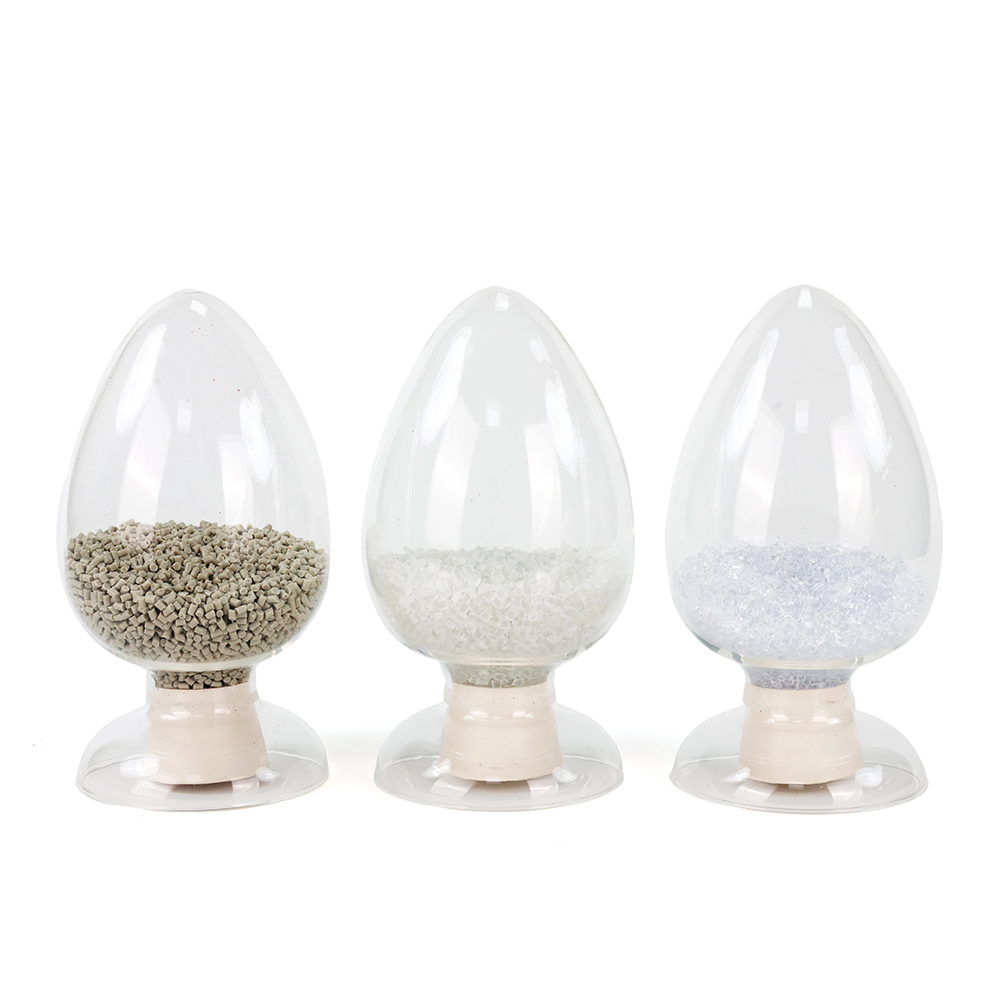
Glass-Filled vs Unfilled Nylon is a common design decision when balancing stiffness, impact behavior, and molding performance.
For GF15, GF30 and higher reinforcement levels, use our glass-filled nylon grade guide; this page focuses on whether reinforcement is needed in the first place.

Adding glass fibers to nylon dramatically changes its performance characteristics. While unfilled nylon offers excellent toughness and processability, glass-filled grades deliver substantially higher strength, stiffness, and thermal stability.
Dành cho các đội ngũ kỹ thuật và mua hàng
Does This Nylon Part Need Glass Reinforcement?
Glass-filled nylon increases stiffness and dimensional control, but it can reduce impact toughness, change shrinkage and increase mold wear. Use reinforcement only when the drawing and load case justify it.
- Use unfilled nylon for toughness, snap fits and smoother surfaces
- Use glass-filled nylon for stiffness, creep control and structural loads
- Review fiber direction, gate location, warpage and cosmetic zones together
Request a filled vs unfilled nylon review → Xem các dịch vụ đúc ép nylon
What Is Glass-Filled Nylon?
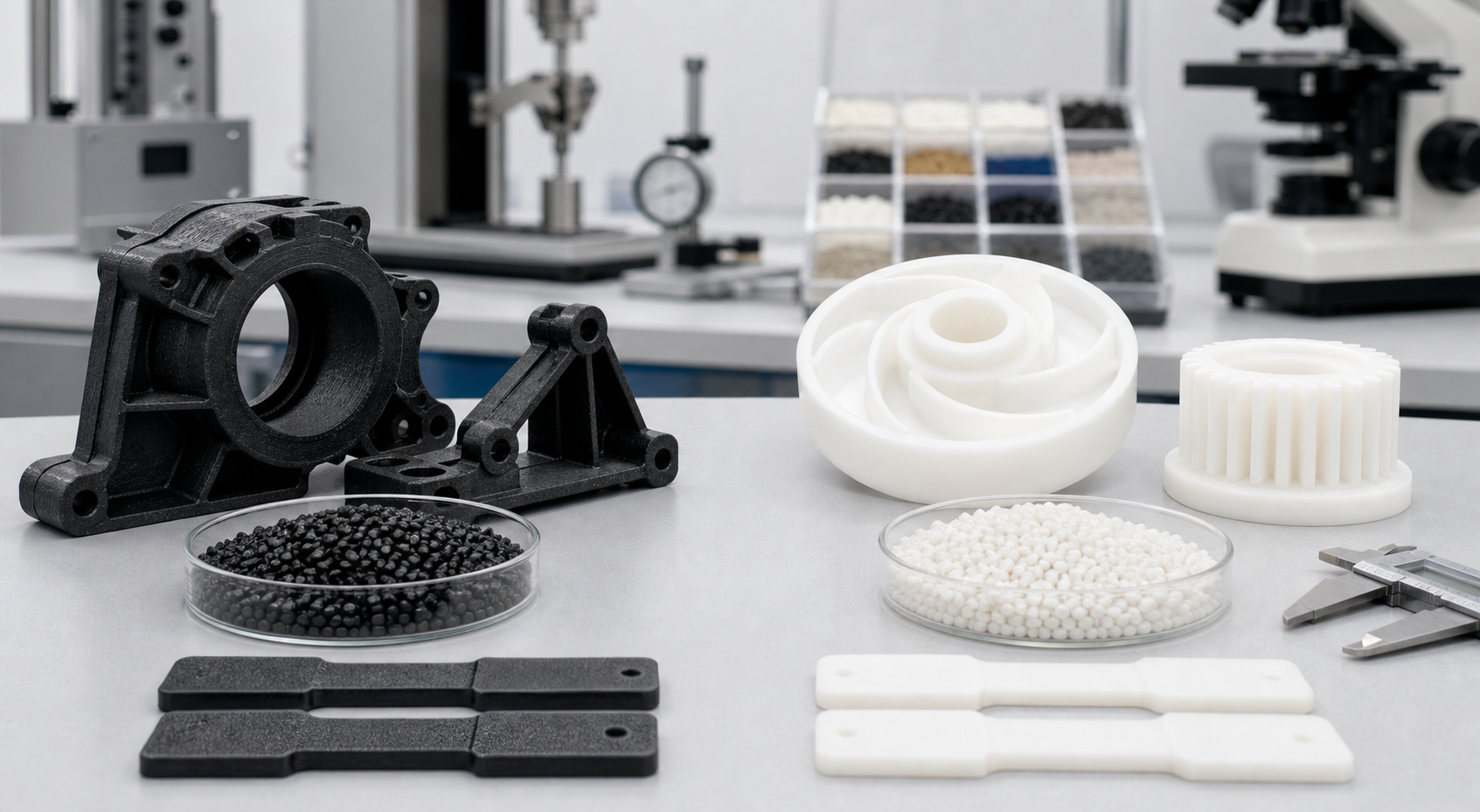
Glass-filled nylon is a composite material consisting of nylon resin reinforced with short glass fibers. The most common grades contain 15%, 25%, 30%, or 50% glass fiber by weight.
So sánh các tính chất cơ học
How to use this table: The existing values are broad screening examples, not one named PA6 grade or a design specification. The table does not state specimen conditioning or complete test methods. For approval, compare current datasheets for the exact unfilled and glass-filled grades under matched conditions, then test molded samples.
| Tài sản | PA6 không chứa chất độn | PA6 GF15 | PA6 GF30 | PA6 GF50 |
|---|---|---|---|---|
| Độ bền kéo (MPa) | 75 | 120 | 170 | 210 |
| Mô đun uốn (GPa) | 2.7 | 5.5 | 8.5 | 14.0 |
| HDT ở áp suất 1,8 MPa (°C) | 65 | 180 | 195 | 210 |
Ổn định kích thước
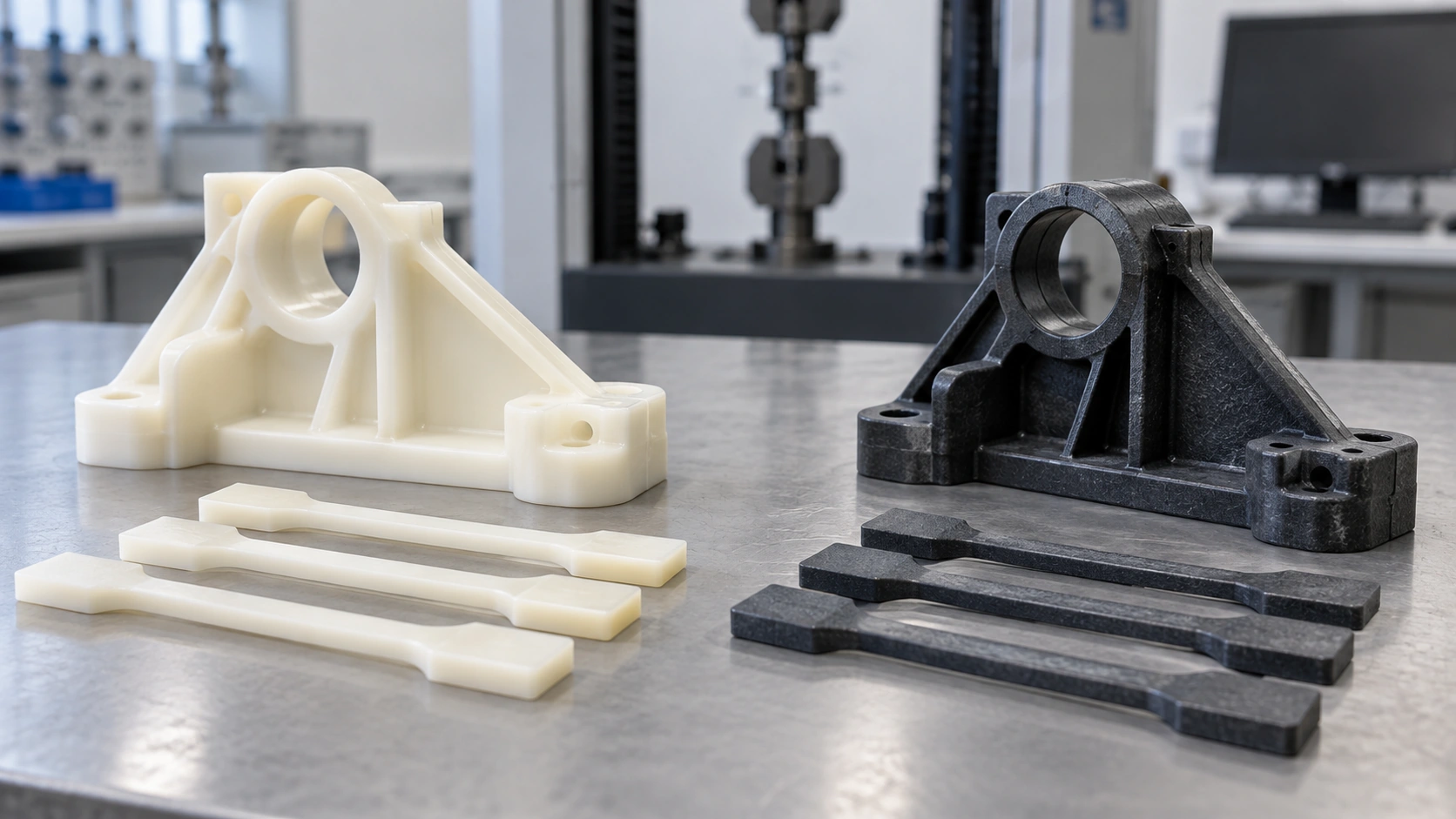
Glass reinforcement can reduce thermal expansion and molding shrinkage along the flow direction, but fiber orientation makes the result direction-dependent. Compare the exact grade’s parallel and transverse values, gate layout and molded-part dimensions before setting tolerances. See Envalior’s explanation of fiber orientation and thermal expansion.
Các yếu tố cần lưu ý trong quá trình xử lý
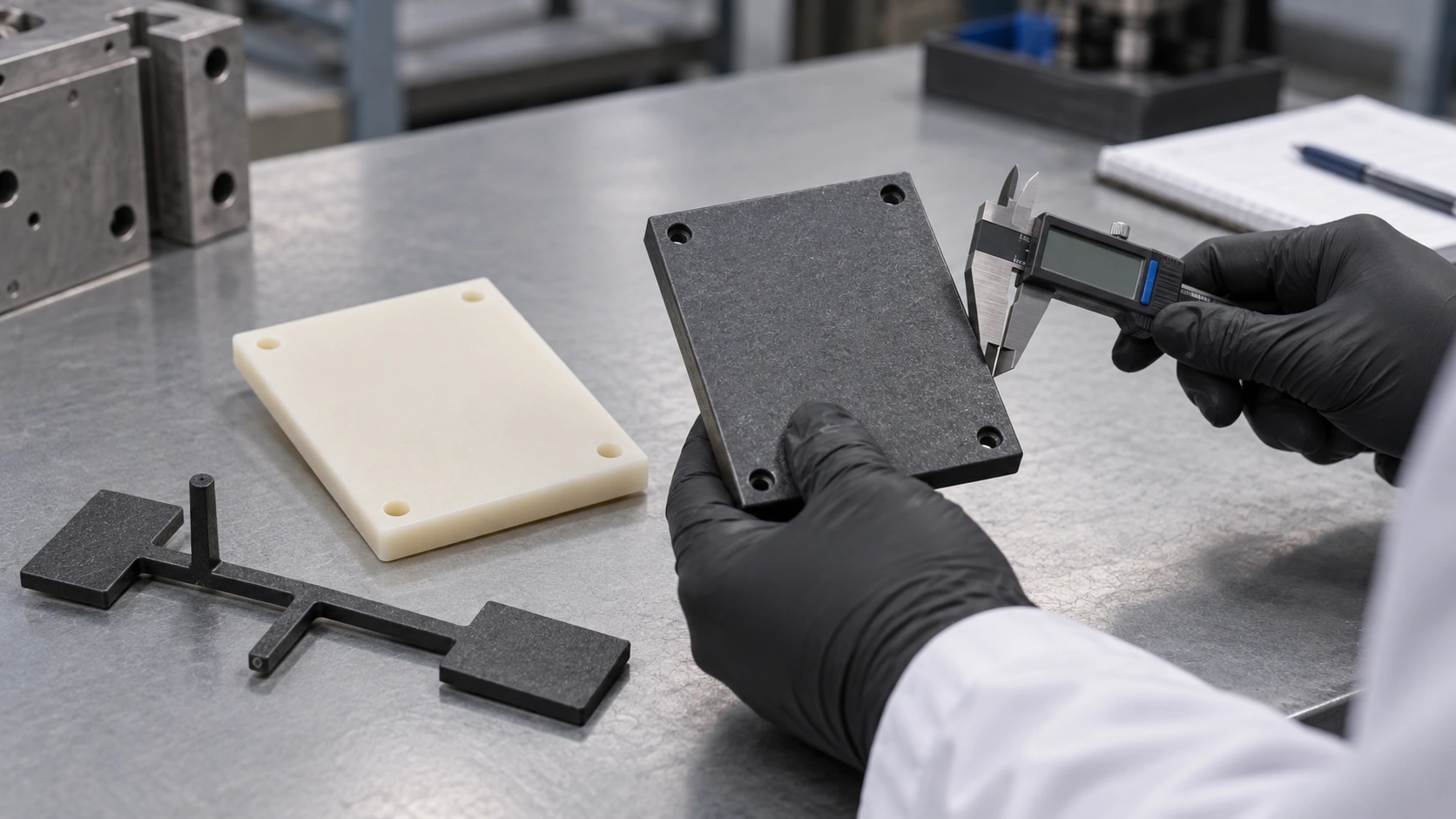
Processing settings depend on the exact nylon and glass-filled grade. Check the supplier’s melt and mold temperature guidance, expected filling pressure and drying conditions; review gate position, fiber orientation and tool wear before production. BASF’s Ultramid molding guide explains the direction-dependent shrinkage and warpage risk.
Cost Considerations
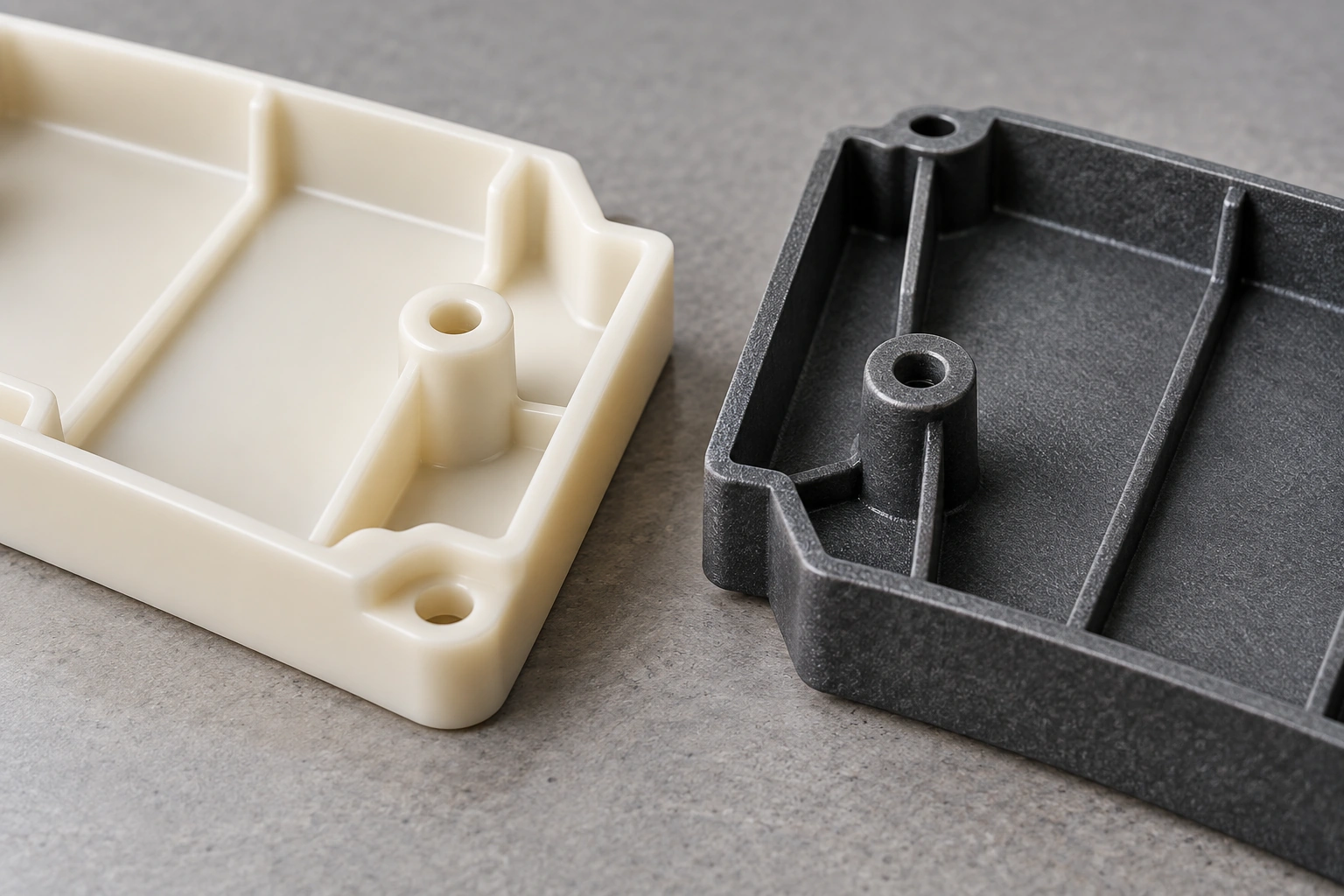
GF30 is a useful structural comparison point, but the lowest-cost choice depends on the part, annual volume and required performance. Compare resin price together with wall thickness, cycle time, scrap, tool wear and qualification cost before choosing an unfilled or reinforced grade.
Hướng dẫn nộp đơn
Choose Unfilled Nylon When:
- Khả năng chống va đập và độ bền là những yếu tố then chốt
- Parts need good surface finish
- Snap-fits or living hinges are required
- Cost is the primary concern
Choose Glass-Filled Nylon When:
- High strength and stiffness are needed
- Dimensional stability under heat is critical
- Metal replacement is the goal
- Precision tolerances must be maintained
Năng lực của chúng tôi
Với hơn 300 máy CNC, chúng tôi sản xuất hơn 10.000 chiếc mỗi ngày với độ dung sai chặt chẽ đến mức ±0,005 mm. Chúng tôi chấp nhận Số lượng đặt hàng tối thiểu (MOQ) từ 1 chiếc, với thời gian giao hàng dao động từ Từ 24 giờ đến 15 ngày. We supply nylon in all grades—unfilled, GF15, GF30, and GF50. Nhận báo giá trong vòng 24 giờ.
Những loại nhựa nylon nào có thể được tùy chỉnh cho dự án này?
Nylon Plastic kết hợp việc điều chỉnh vật liệu với thiết kế sản phẩm, thiết kế và chế tạo khuôn, ép phun, gia công CNC và in 3D. Phạm vi ứng dụng phù hợp được lựa chọn dựa trên bản vẽ và điều kiện sử dụng, chứ không chỉ dựa trên tên gọi chung của vật liệu.
| Khu vực tùy chỉnh | Các tùy chọn cần xem xét | Thông tin cần thiết |
|---|---|---|
| Nylon family | PA6, PA66, PA12 and suitable reinforced alternatives | Heat, moisture, impact, wear and cost requirements |
| Reinforcement | Unfilled, moderate glass loading or higher-stiffness grade review | Deflection limit, load direction and surface requirement |
| Thiết kế chi tiết | Rib, boss, gate, draft, warpage and snap-fit DFM | CAD, mating parts, cosmetic zones and critical tolerances |
| Production package | Material review, mold making, molding and inspection planning | Sample quantity, annual volume and required records |
Danh sách kiểm tra yêu cầu báo giá (RFQ)
- Current material and the reason a change is being considered
- Load, impact, heat, moisture and wear conditions
- Critical dimensions, flatness and surface requirements
- Gate or weld-line restrictions and assembly information
- CAD, quantity, annual volume and target tooling life
Việc hỗ trợ DFM, các thỏa thuận NDA, tài liệu về vật liệu hoặc thành phần cũng như các yêu cầu kiểm tra có thể được thảo luận trong quá trình báo giá. Tính khả thi phụ thuộc vào phạm vi dự án và kế hoạch chất lượng đã thỏa thuận.
Từ giai đoạn đánh giá đến giai đoạn sản xuất
- Định nghĩa: chia sẻ bản vẽ, ứng dụng, môi trường và khối lượng.
- Đánh giá: so sánh các rủi ro liên quan đến vật liệu, quy trình, thiết kế hướng sản xuất (DFM) và xác nhận.
- Xác thực: sử dụng mẫu thử, in 3D, gia công CNC hoặc khuôn mẫu thử khi cần thiết.
- Sản phẩm: chỉ được phép bàn giao khuôn mẫu hoặc đưa vào sản xuất sau khi hoàn tất các bước kiểm tra đã thỏa thuận.
Where PA6-GF20 Fits in the Selection
A material review often compares unfilled nylon directly with a 30% glass grade, although an intermediate loading may be a better fit for the part. PA6-GF20 is worth evaluating when an unfilled grade deflects or shrinks too much, while the cost, brittleness, surface texture, fiber orientation, or tooling burden of a higher loading is not justified.
| Decision | Unfilled PA6 | PA6-GF20 | PA6-GF30 |
|---|---|---|---|
| Primary reason to select | Toughness, fatigue, wear, and surface quality | Balanced stiffness, shrinkage control, and moldability | Higher stiffness and lower directional shrinkage |
| Typical tradeoff | More deflection and moisture-driven movement | Moderate anisotropy and visible fiber texture | More warpage sensitivity, brittleness, abrasion, and cost |
| Validation focus | Conditioned fit, creep, and impact | Gate direction, weld lines, warpage, and conditioned dimensions | Flow orientation, local stress, tool wear, and critical surface acceptance |
Compare the exact matrix and grade in the expected moisture condition. A PA6-GF20 result should not be substituted directly for PA66-GF20, and a headline dry tensile value should not replace molded-part testing. For a higher loading, review the PA6-GF30 product route; for a different reinforcement family, use the PA6-CF30 route only when its specific stiffness or other qualified benefit is required.
Câu hỏi thường gặp
Can the glass-fiber loading be customized for the part?
The team can review different reinforcement levels, but the choice should be tied to deflection, impact, warpage, flow length, appearance and tool wear rather than selecting the highest percentage by default.
Is unfilled nylon better for snap fits and impact?
Often it is because unfilled nylon generally retains more ductility. The correct answer depends on beam strain, conditioning, wall thickness, assembly cycles and the exact resin grade.
Can color and surface finish be controlled on glass-filled nylon?
Color and mold texture can be reviewed, but exposed fibers and flow orientation may limit the achievable appearance. Identify cosmetic zones and approved reference samples in the RFQ.
What information is needed for a filled-versus-unfilled review?
Send the CAD and drawing, current grade, load and environment, critical fits, appearance target, annual volume and any existing failure or warpage data.
Bài đọc liên quan
- Sợi thủy tinh dài so với sợi thủy tinh ngắn gia cường nylon: Hướng dẫn toàn diện về hiệu suất
- Nylon chống tia UV: Hướng dẫn toàn diện về khả năng chịu thời tiết ngoài trời
- PA6 Nylon: Hướng dẫn toàn diện về tính chất, ứng dụng và các biến thể
Tổng quan
| Thời điểm quyết định | Nylon gia cường sợi thủy tinh | Unfilled Nylon | Selection Note |
|---|---|---|---|
| Độ cứng | Cao hơn | Thấp hơn | Use GF when deflection must be controlled |
| Rủi ro biến dạng | Cao hơn | Thấp hơn | Part geometry and gate design matter more with GF |
| Wear / strength | Better for many structural parts | More flexible | Check load direction and thickness |
| Cách sử dụng hiệu quả nhất | Structural molded parts | General-purpose parts | Match filler to actual loading and cost target |
Tại sao nên chọn nhựa nylon?
Nylon Plastic helps project teams decide when reinforcement is worth the added cost, warp risk and tooling sensitivity of a filled nylon grade.
Request a Filled Nylon Review
Send the part use case and tolerance target for a filled versus unfilled nylon check.