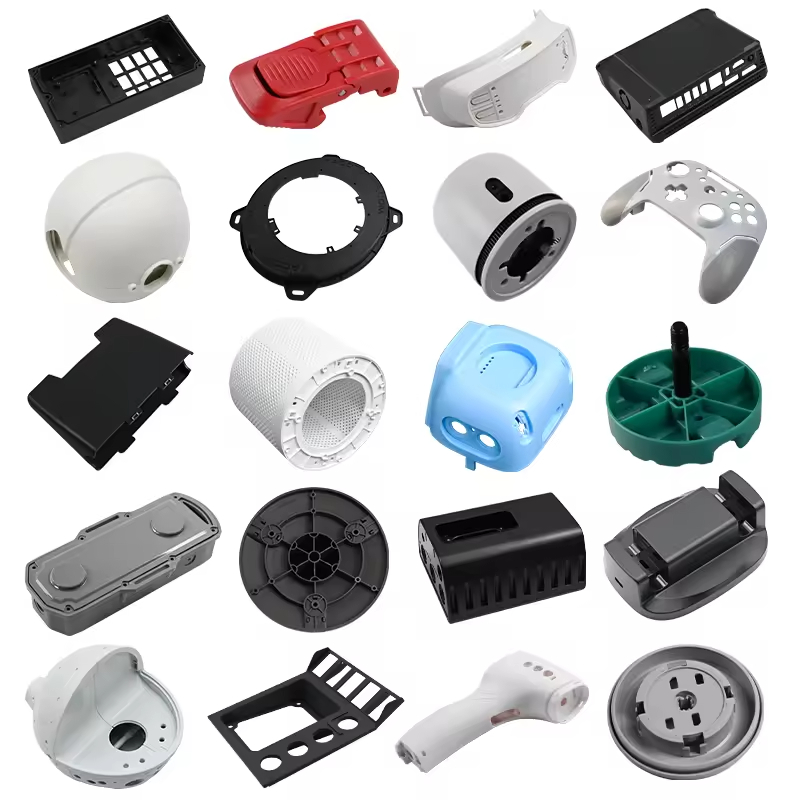
Hiện tượng phồng rộp trong quá trình ép phun thường biểu hiện dưới dạng các vết màu bạc hoặc các vệt trên bề mặt chi tiết đúc. Nguyên nhân phổ biến bao gồm độ ẩm trong nhựa, nhiệt độ vật liệu nóng chảy quá cao, nhiệt sinh ra do lực cắt, khí bị kẹt, hệ thống thoát khí kém, vật liệu bị nhiễm bẩn, hoặc đường cong xoắn ốc và đường cong ép phun không ổn định.
Hiện tượng cong vênh thường dễ bị nhầm lẫn với một vấn đề thẩm mỹ đơn thuần, nhưng thực tế nó thường bộc lộ vấn đề trong quy trình sản xuất hoặc kiểm soát chất liệu. Đối với nhựa PC trong suốt, vỏ ABS thẩm mỹ, các bộ phận bằng nylon và vật liệu chống cháy, hiện tượng cong vênh có thể ảnh hưởng đến ngoại hình, tính chất cơ học và mức độ chấp nhận của khách hàng.
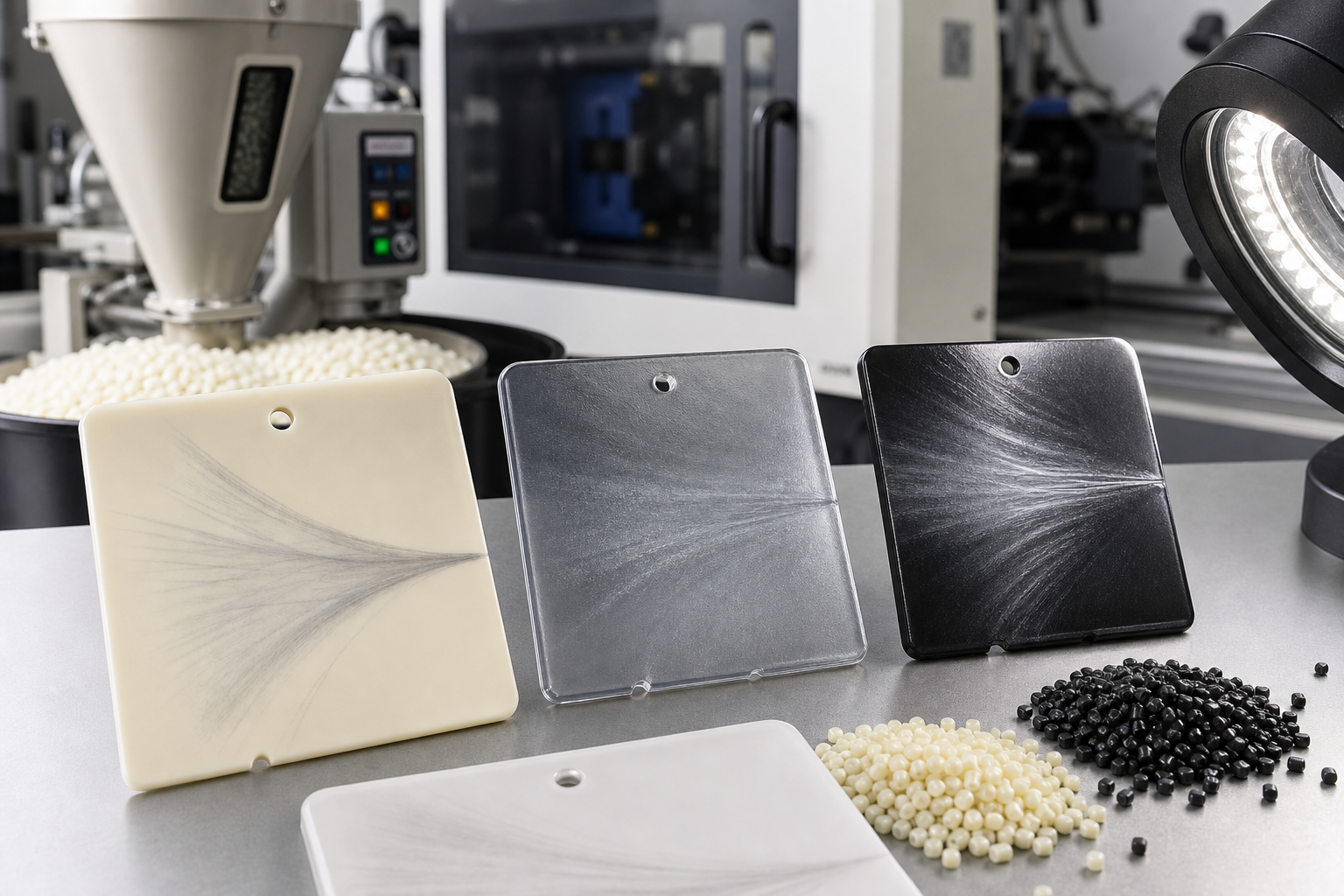
Các nguyên nhân chính gây ra hiện tượng méo lệch trong quá trình ép phun
| Nguyên nhân / nguyên liệu | Dấu hiệu hoặc cách sử dụng điển hình | Hành động của bên mua hoặc bên kỹ thuật |
|---|---|---|
| Độ ẩm | Các vệt màu bạc, tính giòn, các vết trên bề mặt xuất hiện ngẫu nhiên | Làm khô nhựa và bảo vệ vật liệu đã khô khỏi việc hấp thụ lại độ ẩm |
| Nhiệt độ nóng chảy vượt mức | Các vệt có hiện tượng đổi màu hoặc có nguy cơ bị cháy | Giảm nhiệt độ nòng và rút ngắn thời gian lưu |
| Lực cắt cao | Khoảng cách rộng gần cổng hoặc các điểm hạn chế hẹp | Kiểm tra kích thước cửa xả, tốc độ phun và tốc độ trục vít |
| Hệ thống thông gió kém | Các vệt gần đầu dòng chảy hoặc các vùng khí bị kẹt | Cải thiện hệ thống thông gió và cân bằng lượng chất lấp đầy |
| Ô nhiễm | Các vệt không đều, đốm đen hoặc khuyết tật về màu sắc | Vệ sinh phễu, thùng chứa, vật liệu tái nghiền và đường dẫn vận chuyển nguyên liệu |
Cách phân biệt hiện tượng lan rộng do độ ẩm với hiện tượng lan rộng do lực cắt
- Hiện tượng cong vênh do ẩm thường thay đổi sau khi điều chỉnh các điều kiện sấy khô.
- Hiện tượng phân tán do cắt thường tập trung gần cửa rót, các gân hoặc các điểm hạn chế dòng chảy mỏng.
- Sự xuống cấp của vật liệu có thể biểu hiện qua mùi lạ, sự đổi màu hoặc các bộ phận trở nên giòn.
- Hiện tượng xòe ra do thoát khí có thể lặp lại vào cuối quá trình rót hoặc trong các khu vực dòng chảy bị bao quanh.
- Một kế hoạch khắc phục sự cố hiệu quả là chỉ thay đổi một biến số tại một thời điểm, thay vì thay đổi cùng lúc các thông số của nhựa, khuôn và máy móc.
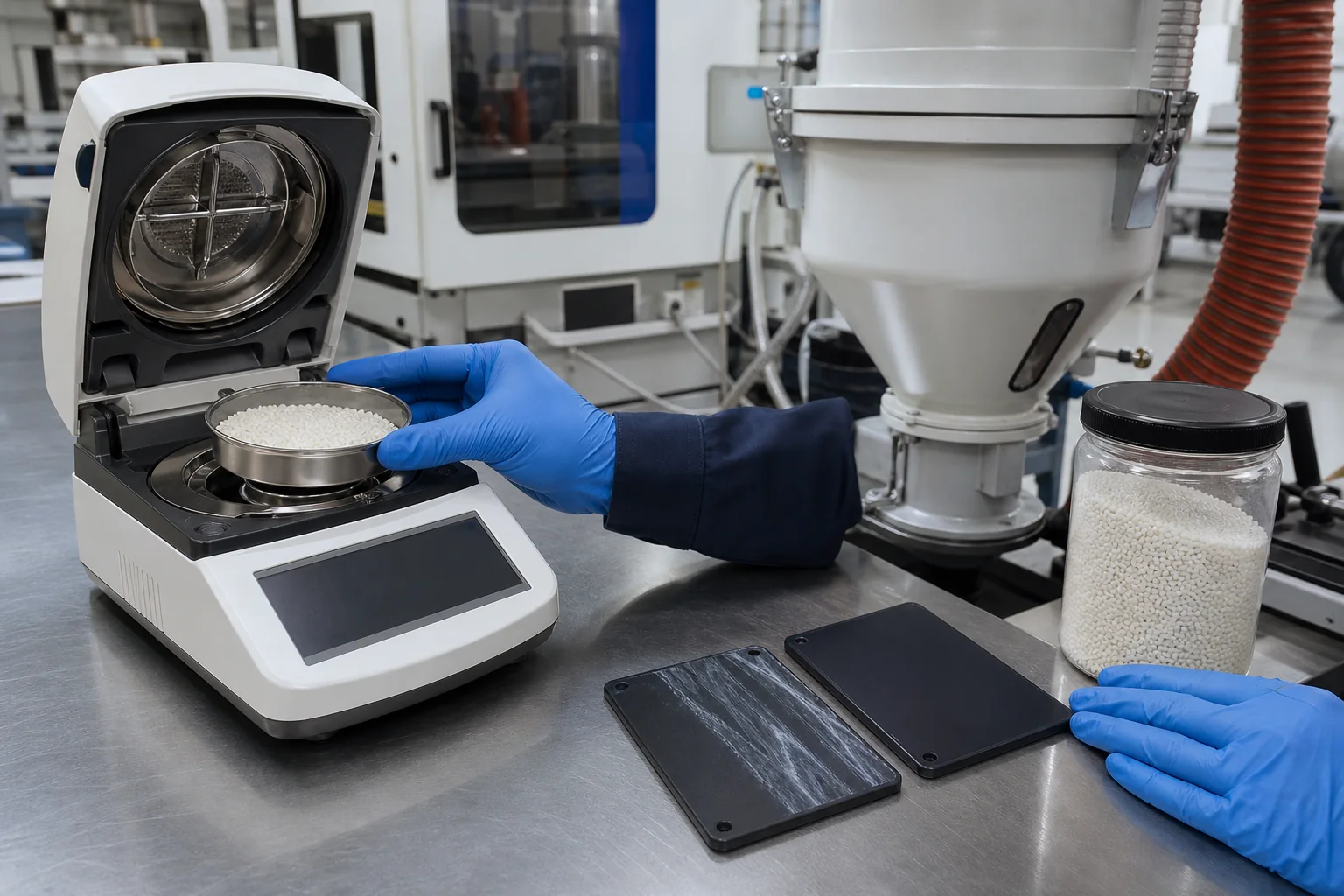
A Controlled Splay Troubleshooting Sequence
- Quarantine the affected lot and record machine, cavity, cycle, material lot, and defect location.
- Verify resin identity, packaging, storage, dryer dew point, residence time, and moisture using a validated method.
- Compare defect direction and gate location before changing melt temperature or speed.
- Change one variable at a time and retain labeled samples.
- Confirm the fix across startup, steady production, cavities, and an agreed inspection standard.
Các rủi ro liên quan đến độ mở của vật liệu cụ thể
| Chất liệu / vỏ | Mối quan tâm chính | Ghi chú về việc lựa chọn |
|---|---|---|
| Polycarbonate | Độ ẩm và nhiệt độ cao | Làm khô hoàn toàn và điều chỉnh nhiệt độ nóng chảy |
| Nylon | Khả năng hấp thụ độ ẩm | Tuân thủ thời gian sấy khô đúng quy định và thực hiện các biện pháp xử lý vật liệu kín |
| ABS | Độ ẩm, quá nhiệt và ô nhiễm | Kiểm tra máy sấy, thời gian lưu giữ và vật liệu tái nghiền |
| TPE / TPU | Độ nhạy cảm với độ ẩm và lực cắt | Kiểm tra quá trình sấy, cửa phun và tốc độ phun |
| Vật liệu đúc đầy | Lực cắt, hướng sợi và thoát khí | Thiết kế quy trình và cổng cân bằng |
Chi tiết yêu cầu báo giá (RFQ) của người mua về khắc phục sự cố Splay
Để nhận được đánh giá hữu ích, vui lòng gửi mô hình 3D hoặc bản vẽ 2D, loại nhựa hoặc vật liệu mục tiêu, ảnh chi tiết sản phẩm (nếu khuyết tật đã tồn tại), thông tin về máy móc và khuôn mẫu (nếu có), sản lượng dự kiến hàng năm, yêu cầu về thẩm mỹ, kích thước quan trọng, môi trường ứng dụng và bất kỳ tiêu chuẩn kiểm tra nào. Nylon Plastic có thể đánh giá thiết kế, vật liệu và quy trình đúc trước khi thực hiện các thay đổi về khuôn mẫu hoặc quy trình sản xuất.
Buyer Information Needed for Root-Cause Review
- Resin family, complete grade, color, additive package, lot, and regrind policy.
- Dryer type, temperature, dew point, time, hopper loading, and measured moisture.
- Melt and mold temperature, screw speed, back pressure, injection profile, and residence time.
- Gate, vent, wall, cavity pattern, defect photos, rejected quantity, and acceptance standard.
Do not change drying, temperature, screw speed, back pressure, injection speed, and venting at the same time. That may hide the defect without establishing root cause. Hold the material lot and mold condition constant, change one controlled variable, label each sample, and confirm the result over enough cycles to include startup and steady-state behavior. If the defect follows one cavity or one flow path, inspect the mold and gate before blaming the entire resin lot.
Vai trò của nhựa nylon trong quá trình đánh giá
Nylon Plastic has worked across material modification and finished plastic-part manufacturing since 2005. This allows buyers to connect the resin decision with material drying, mold venting, process trials, and defect validation rather than approving a grade from a family name or one dry data-sheet value.
- So sánh các mẫu PA chưa được lấp đầy, PA-GF20 và PA-CF30 với chế độ hư hỏng thực tế.
- Xem xét việc pha chế theo yêu cầu khi sản phẩm loại tiêu chuẩn không đáp ứng các yêu cầu về độ cứng, khả năng chịu va đập, màu sắc, độ bền mài mòn, khả năng chịu nhiệt hoặc tính tuân thủ.
- Xác định các yêu cầu về TDS, COA, độ ẩm, phê duyệt mẫu, khả năng truy xuất nguồn gốc và các yêu cầu về việc giải phóng lô hàng trước khi đặt hàng số lượng lớn.
Bài đọc liên quan
Câu hỏi thường gặp
“Splay” trong đúc ép là gì?
Splay is a silver or streak-like surface defect commonly associated with moisture, gas, excessive heat, shear, contamination, or unstable material handling.
How can moisture splay be confirmed?
Verify resin moisture with a validated method, audit sealed handling and dryer performance, and run a controlled comparison instead of assuming every silver streak is moisture.
Tốc độ phun cao có thể gây ra hiện tượng phun lệch không?
Yes. Excessive shear at a restrictive gate or thin section can contribute, especially when melt temperature or residence time is already high.
What should be included in a splay troubleshooting request?
Provide the full grade, lot, drying and moisture records, process settings, gate and vent details, defect location, photos, cavity pattern, and acceptance criteria.
Request a Splay Root-Cause Review
Send the material, dryer, process, mold, and defect records so moisture, heat, shear, venting, and contamination can be separated systematically.