Thủy tinh là một chủ đề kỹ thuật thực tiễn khi bạn cần so sánh các phương án, kiểm tra các giới hạn và lựa chọn quy trình có mức độ rủi ro thấp hơn.
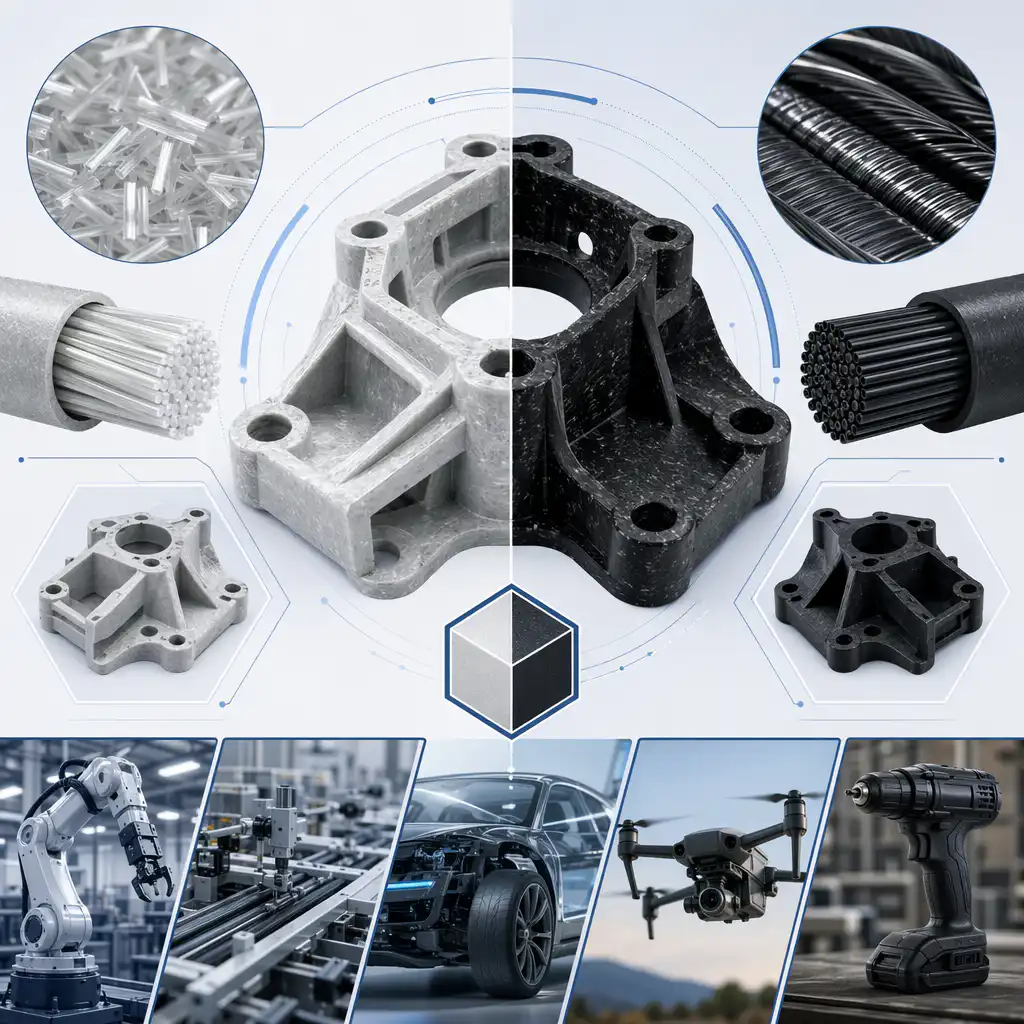
Cả nylon gia cường sợi thủy tinh lẫn nylon gia cường sợi carbon đều mang lại những cải thiện đáng kể về tính chất so với nylon không gia cường. Việc hiểu rõ những ưu nhược điểm sẽ giúp bạn lựa chọn vật liệu phù hợp nhất cho ứng dụng cụ thể của mình.
Dành cho các đội ngũ kỹ thuật và mua hàng
Choosing Reinforcement for a Nylon Production Part?
This reinforced nylon comparison is for procurement and early DFM decisions: glass fiber usually offers the lower-cost structural route, while carbon fiber may justify its premium when stiffness-to-weight dominates.
- Choose glass fiber for cost-effective strength and broad molding use
- Choose carbon fiber when stiffness-to-weight is the primary requirement
- Review conductivity, surface finish, fiber direction and tooling wear before release
Request a reinforced nylon sourcing review → Xem các dịch vụ đúc ép nylon
So sánh bất động sản
Độ bền kéo: Nylon gia cường sợi carbon đạt độ bền kéo từ 70 đến 90 MPa, so với mức 40–60 MPa của nylon gia cường sợi thủy tinh. Sự khác biệt này rất đáng kể đối với các ứng dụng kết cấu.
Độ cứng: Sợi carbon mang lại mức cải thiện độ cứng gấp 2-3 lần so với sợi thủy tinh ở cùng tỷ lệ gia cường. Loại nylon gia cường bằng sợi carbon 20% có độ cứng gần bằng loại nylon gia cường bằng sợi thủy tinh 30%.
Trọng lượng: Sợi carbon nhẹ hơn sợi thủy tinh khoảng 70%. Các bộ phận được gia cố bằng sợi carbon nhẹ hơn đáng kể so với các bộ phận tương tự làm từ sợi thủy tinh — đây là yếu tố then chốt trong việc giảm trọng lượng trong ngành hàng không vũ trụ và ô tô.
Tính chất nhiệt: Sợi carbon giúp giảm độ giãn nở nhiệt từ 50-70%, so với mức giảm 30-50% khi sử dụng sợi thủy tinh. Các bộ phận được gia cố bằng sợi carbon duy trì kích thước ổn định hơn trong điều kiện thay đổi nhiệt độ lặp đi lặp lại.
So sánh chi phí
Đây chính là lúc sự đánh đổi trở nên rõ rệt. Nylon gia cường sợi carbon có giá cao gấp 3–5 lần so với nylon gia cường sợi thủy tinh cùng cấp. Đối với nhiều ứng dụng, chi phí bổ sung từ sợi carbon không thể bù đắp được bằng lợi ích về hiệu suất. Nylon gia cường sợi thủy tinh ở mức tải 30% mang lại giá trị tuyệt vời cho hầu hết các ứng dụng kỹ thuật.
Các yếu tố cần lưu ý trong sản xuất
Cả hai loại vật liệu này đều có tính mài mòn và đòi hỏi phải sử dụng dụng cụ gia công đã được tôi cứng. Các vật liệu gia cố bằng sợi thủy tinh dễ gia công hơn và làm giảm mức độ mài mòn khuôn. Hệ số giãn nở nhiệt thấp hơn của sợi carbon thực tế có thể giúp đơn giản hóa một số quy trình sản xuất, nhưng tính chất mài mòn của nó lại làm tăng tốc độ hao mòn thiết bị.
Các khuyến nghị dành riêng cho từng ứng dụng
- Hãy chọn nylon gia cố sợi thủy tinh trong các trường hợp sau: Chi phí là yếu tố hạn chế chính, hình dạng chi tiết phức tạp, độ bền kết cấu tiêu chuẩn là đủ, sản xuất với số lượng lớn
- Hãy chọn nylon gia cố bằng sợi carbon trong các trường hợp sau: Việc giảm trọng lượng là yếu tố then chốt, đòi hỏi độ cứng riêng cao nhất, tính ổn định nhiệt là yếu tố tối quan trọng, các ứng dụng có thể tích nhỏ nhưng hiệu suất cao
Phương pháp kết hợp
Một số ứng dụng tận dụng lợi thế của vật liệu gia cường lai — kết hợp sợi thủy tinh và sợi carbon để tối ưu hóa sự cân bằng giữa chi phí và hiệu suất. Phương pháp này thường được áp dụng trong lĩnh vực đồ thể thao và các bộ phận ô tô cao cấp.
Độ nhạy cảm với độ ẩm
Cả sợi thủy tinh lẫn sợi carbon đều giúp giảm khả năng hấp thụ độ ẩm so với nylon không gia cố. Nylon gia cố bằng sợi carbon thường thể hiện độ ổn định kích thước tốt hơn trong môi trường ẩm ướt.
Bề mặt hoàn thiện
Nylon gia cường sợi thủy tinh có thể được đúc phun để tạo ra bề mặt nhẵn mịn. Việc gia cường bằng sợi carbon mang lại vẻ ngoài sẫm màu hơn và có bề mặt mờ do các sợi carbon vẫn còn nhìn thấy trên bề mặt. Đối với các chi tiết trang trí, có thể cần phải thực hiện các công đoạn xử lý sau đúc.
Kết luận
Đối với hầu hết các ứng dụng kỹ thuật, nylon gia cường sợi thủy tinh mang lại giá trị tốt nhất. Sợi carbon thường được dành riêng cho những ứng dụng mà việc giảm trọng lượng và độ cứng tối đa đủ để bù đắp cho chi phí cao hơn. Tại Nylonplastic, chúng tôi cung cấp cả hai loại vật liệu này với nhiều cấp độ chất lượng khác nhau và có thể hỗ trợ quý khách đánh giá chiến lược gia cường phù hợp nhất cho ứng dụng cụ thể của quý khách.
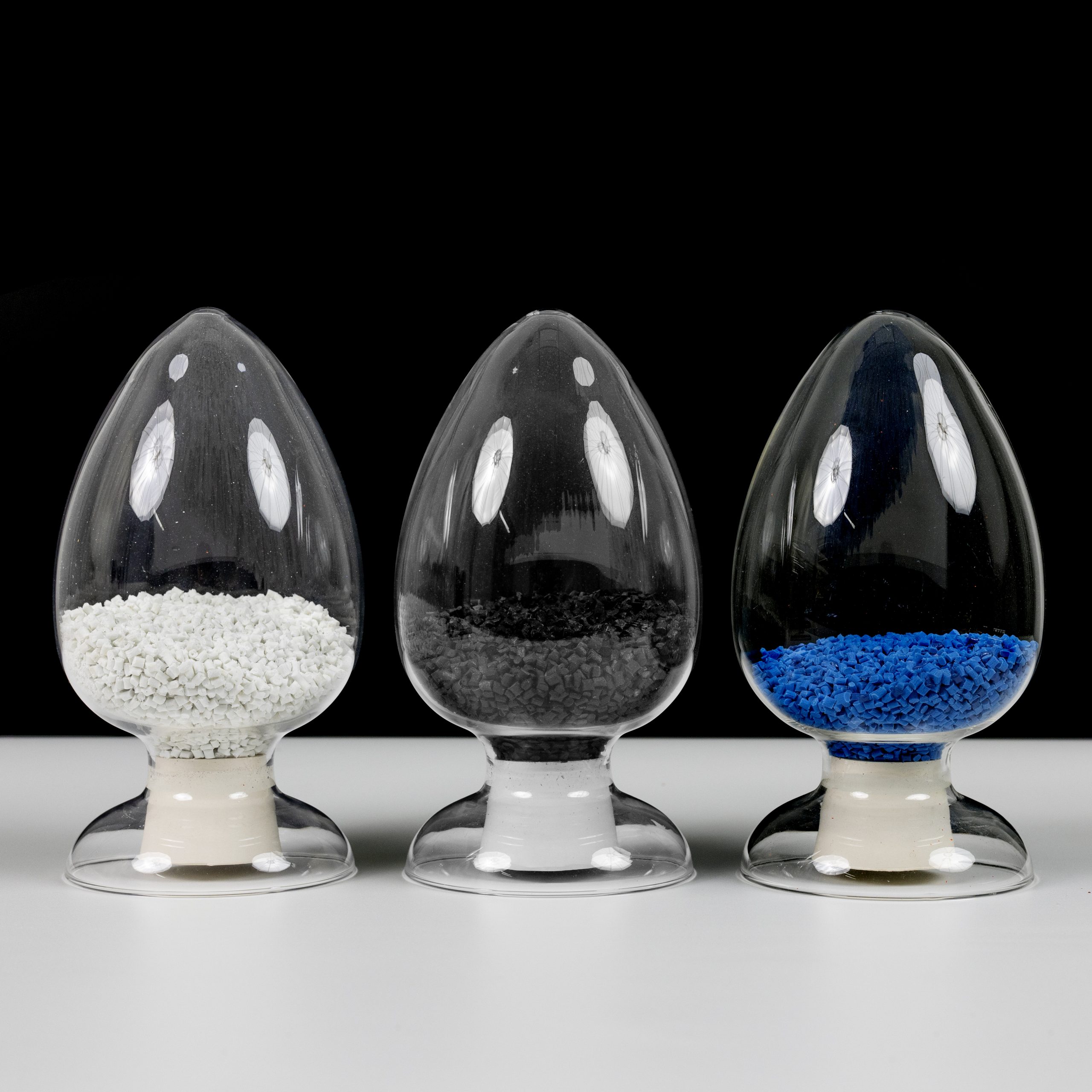
Sẵn sàng tìm nguồn cung ứng chưa? Nylonplastic cung cấp tất cả các loại vật liệu được đề cập trong hướng dẫn này — với các loại tiêu chuẩn và tùy chỉnh, đạt chứng nhận chất lượng theo các tiêu chuẩn IATF 16949, ISO 9001 và ISO 14001. Yêu cầu báo giá →
Những loại nhựa nylon nào có thể được tùy chỉnh cho dự án này?
Nylon Plastic kết hợp việc điều chỉnh vật liệu với thiết kế sản phẩm, thiết kế và chế tạo khuôn, ép phun, gia công CNC và in 3D. Phạm vi ứng dụng phù hợp được lựa chọn dựa trên bản vẽ và điều kiện sử dụng, chứ không chỉ dựa trên tên gọi chung của vật liệu.
| Khu vực tùy chỉnh | Các tùy chọn cần xem xét | Thông tin cần thiết |
|---|---|---|
| Reinforcement system | Glass-fiber, carbon-fiber or unfilled nylon comparison | Stiffness, weight, impact, conductivity and cost priorities |
| Base polymer | PA6, PA66, PA12 or another suitable nylon family | Moisture, heat, chemical and dimensional requirements |
| Prototype route | 3D printing or CNC evaluation before production tooling | CAD file, test quantity and the properties the prototype must represent |
| Production route | Material review, mold DFM, tooling and injection molding | Annual volume, surface class, tolerances and inspection plan |
Danh sách kiểm tra yêu cầu báo giá (RFQ)
- CAD and load direction for the real component
- Stiffness, weight, impact and temperature targets
- Electrical conductivity or insulation requirement
- Surface, color, warpage and dimensional limits
- Prototype quantity, annual volume and tooling budget
Việc hỗ trợ DFM, các thỏa thuận NDA, tài liệu về vật liệu hoặc thành phần cũng như các yêu cầu kiểm tra có thể được thảo luận trong quá trình báo giá. Tính khả thi phụ thuộc vào phạm vi dự án và kế hoạch chất lượng đã thỏa thuận.
Từ giai đoạn đánh giá đến giai đoạn sản xuất
- Định nghĩa: chia sẻ bản vẽ, ứng dụng, môi trường và khối lượng.
- Đánh giá: so sánh các rủi ro liên quan đến vật liệu, quy trình, thiết kế hướng sản xuất (DFM) và xác nhận.
- Xác thực: sử dụng mẫu thử, in 3D, gia công CNC hoặc khuôn mẫu thử khi cần thiết.
- Sản phẩm: chỉ được phép bàn giao khuôn mẫu hoặc đưa vào sản xuất sau khi hoàn tất các bước kiểm tra đã thỏa thuận.
Glass Fiber vs Carbon Fiber Nylon: Select the Reinforcement Around the Load
Glass-fiber nylon and carbon-fiber nylon are not interchangeable “stronger nylon” options. Glass fiber is often the cost-effective route to higher stiffness, heat performance and dimensional control. Carbon fiber can offer higher specific stiffness, lower weight and conductivity potential, but it also increases cost, anisotropy and sensitivity to fiber orientation. Compare matched base resin, fiber content, test direction and moisture condition before choosing.
Begin with the load direction, allowable deflection, weight limit, temperature, ESD or conductivity requirement, tolerance, surface requirement, manufacturing process and budget. If the part is a molded bracket, the flow direction and weld line may control the result. If it is machined or printed, stock direction and layer or tool orientation must also be documented.
| Decision factor | Glass-fiber nylon | Carbon-fiber nylon | What to verify |
|---|---|---|---|
| Stiffness and heat | Strong stiffness improvement with broad grade availability | Often higher specific stiffness and lower weight potential | Matched fiber percentage, test direction and temperature |
| Trọng lượng | Usually heavier than comparable carbon-filled grades | Useful where stiffness per mass matters | Density, wall design and required deflection |
| Conductivity | Usually limited unless a conductive package is added | May provide ESD or conductivity potential | Surface and volume resistivity at the actual grade |
| Dimensional behavior | Fiber orientation and shrinkage still matter | Orientation and anisotropy can be pronounced | Flow direction, warpage and conditioned dimensions |
| Cost and tooling | Often lower material cost and broad supply | Often higher material cost and greater abrasive concern | Annual volume, tool steel, wear inserts and scrap value |
Orientation, Anisotropy and Mold Design
Short fibers align with melt flow in molded parts. The resulting stiffness, shrinkage and thermal expansion can differ along and across the flow direction. Gate location, runner balance, weld lines, ribs and wall thickness therefore belong in the material decision. A flat tensile coupon does not represent a bracket with a weld line or a housing with ribs and bosses.
For injection molding, request the gate and flow direction, fiber orientation assumptions, cooling layout and warpage review. For CNC machining, note how the stock was produced and whether machining releases stress. For 3D printing, define layer direction, infill, shell, chamber condition and post-processing. The same words “glass-filled” or “carbon-filled” can describe very different part behavior across processes.
Heat, Weight, ESD and Surface Requirements
Use carbon fiber when a weight or stiffness-per-mass target justifies the added cost and the electrical behavior is useful or manageable. Use glass fiber when a robust stiffness and heat solution with broad sourcing is more important. Neither reinforcement automatically solves creep, impact, chemical resistance or surface appearance. The base nylon, fiber length, fiber percentage, additive package and moisture condition remain important.
| Ứng dụng | Starting comparison | Validation evidence |
|---|---|---|
| Lightweight bracket | Carbon fiber for stiffness per mass; glass fiber for cost control | Deflection, vibration, density and fatigue |
| Hot fixture or housing | Compare matched reinforced grades at temperature | HDT, creep, thermal cycling and conditioned dimensions |
| ESD enclosure | Carbon-filled grade may be a candidate | Resistivity, grounding, shielding and surface consistency |
| Visible molded component | Glass fiber may offer a more practical finish route | Texture, gloss, fiber read-through and gate appearance |
Cost, Tool Wear and Supplier Evidence
Material price is only one part of the decision. Carbon-filled grades may increase tool wear, require wear-resistant gates or inserts, affect polish and increase scrap cost when orientation or warpage is not controlled. Glass-filled grades can also be abrasive. Ask which steel, surface treatment, replaceable components, maintenance interval and spare parts are included in the tool plan.
Request a grade-specific data sheet, processing guide, moisture condition, test direction, fiber content, color, approved source and change-notification policy. Compare data under matched test methods and do not transfer a value from one base resin or fiber percentage to another. We can review the load direction, weight, heat, ESD, process, volume and candidate grades before the drawing is frozen.
GF Nylon and CF Nylon RFQ Checklist
- Base nylon, fiber type, fiber content, color and exact grade.
- Load direction, allowable deflection, fatigue, impact and temperature.
- Weight, ESD, conductivity, surface, texture and cosmetic zones.
- Injection molding, CNC machining or 3D printing route and orientation.
- Tool steel, wear inserts, dimensional inspection and conditioning state.
- Annual volume, price target, approved suppliers and change control.
Send the load direction, weight, heat, ESD, process, volume and candidate grades with CAD and the controlled drawing. We can compare glass-fiber and carbon-fiber nylon against measurable part requirements and define the validation coupons or molded samples needed.
Câu hỏi thường gặp
Can Nylon Plastic compare glass- and carbon-fiber grades for one drawing?
Yes. A useful comparison needs the load direction, wall sections, temperature, moisture, surface requirement, target weight and quantity. Fiber percentage alone is not enough to select a grade.
Which reinforcement is normally more cost-effective?
Glass fiber is usually the lower-cost structural route. Carbon fiber may be justified when stiffness-to-weight, lower density or a specific electrical behavior is more important than material price.
Why do gate location and fiber direction matter?
Reinforced polymers are directional. Flow orientation affects stiffness, shrinkage, warpage, weld lines and failure location, so material selection and mold DFM should be reviewed together.
Can a prototype be made before production tooling?
Nylon Plastic offers 3D printing and CNC routes that can support geometry and assembly review. The team should clarify which prototype properties will and will not represent the final molded reinforced material.
Request a Custom Project Review
Send the drawing, application, operating conditions and expected quantity. Nylon Plastic can review material modification, prototyping, tooling and production options within the agreed project scope.