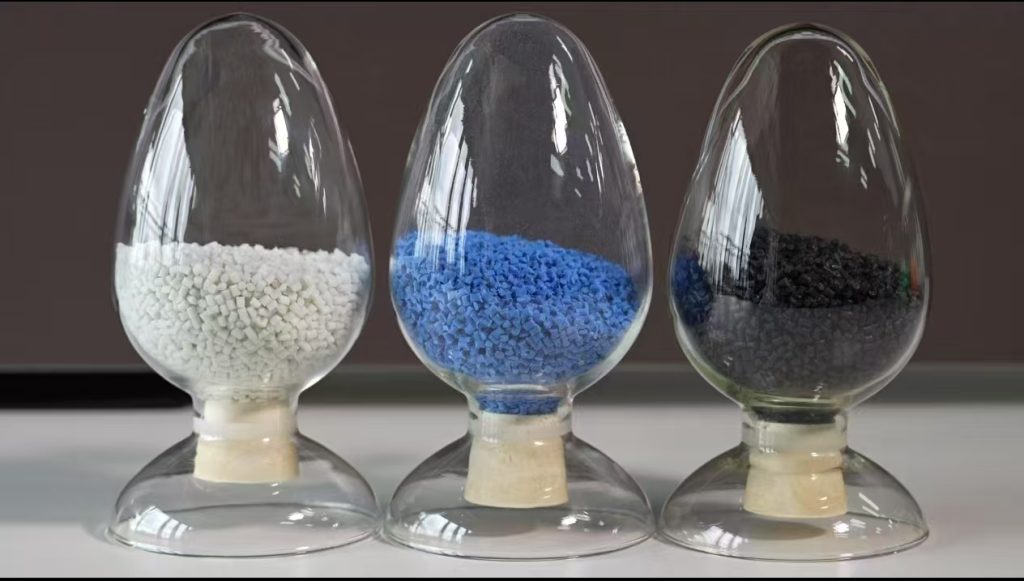
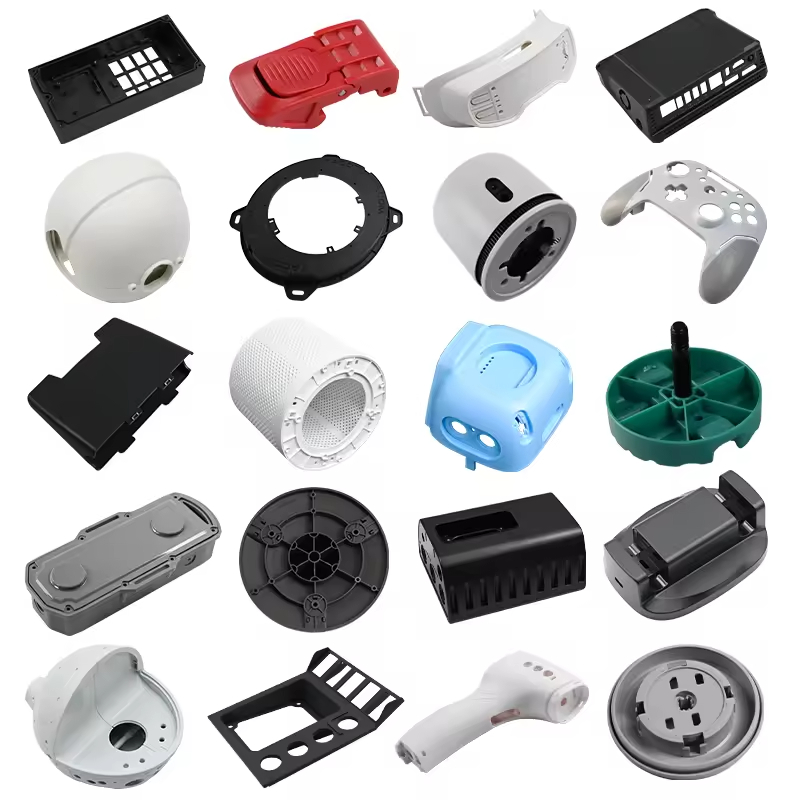
PA66 GF33 so với GF40 so với GF60 is a practical grade-selection question, not a simple strength ranking. As glass content increases, stiffness and dimensional stability improve, but brittleness, tooling wear and process sensitivity also rise.
For nylon 66 parts, the right grade depends on load path, wall design, heat exposure and how much assembly flexibility the part needs. Nylon Plastic can review the drawing and recommend the grade before sampling starts.
Tổng quan
| Hạng | Main Benefit | Sự đánh đổi chính | Cách sử dụng hiệu quả nhất |
|---|---|---|---|
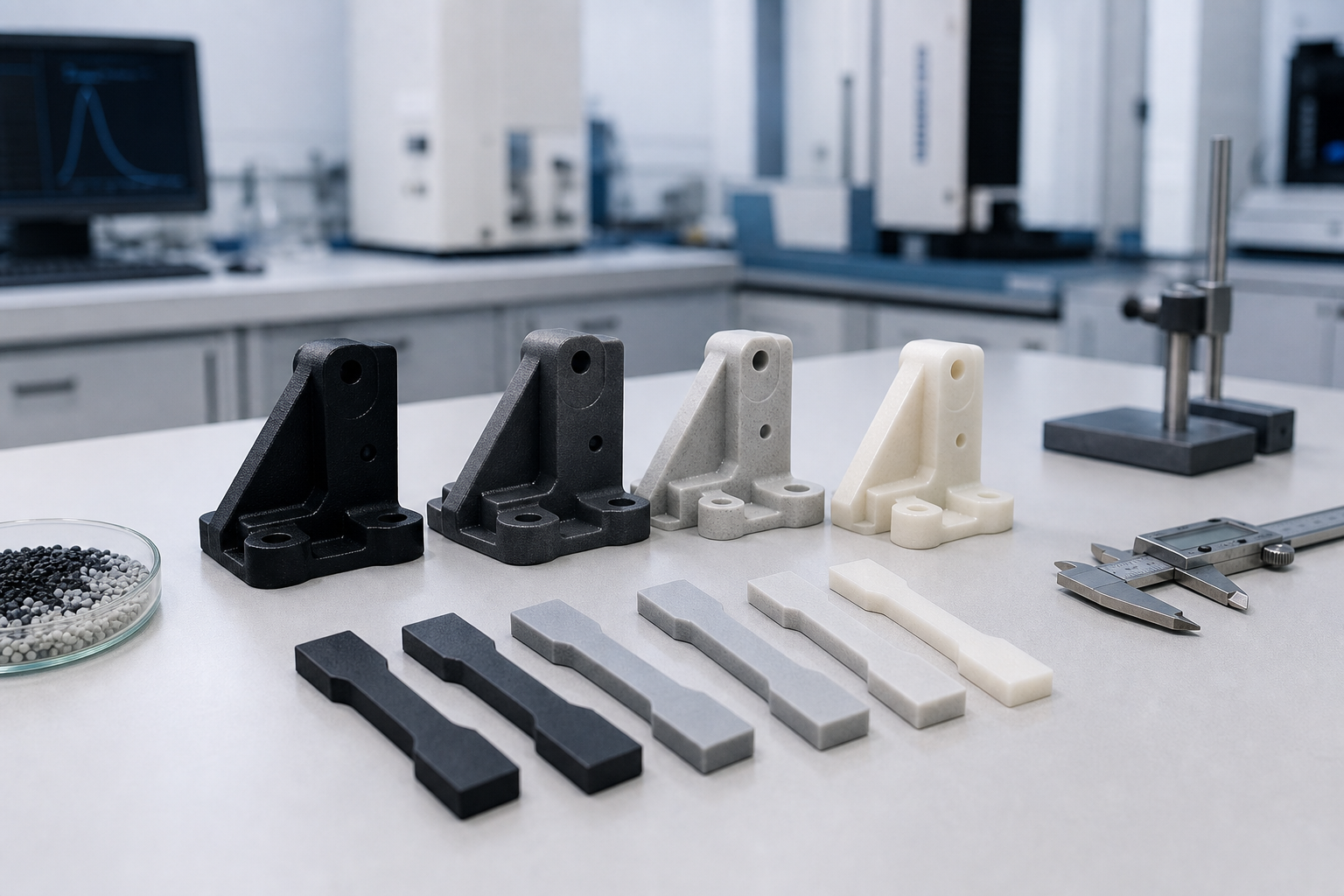
| PA66 chứa 33% sợi thủy tinh | Balanced stiffness and processability | Less rigid than GF40 or GF60 | Functional housings, brackets and covers |
| PA66 GF40 | Higher stiffness and better load support | More warp and fiber-orientation risk | Structural parts and rigid supports |
| PA66 GF60 | Very high stiffness | More brittle and harder to mold | Metal-replacement parts with strong load control |
Cách chọn loại PA66 GF phù hợp
PA66 GF33 is usually the safest middle ground when you want higher stiffness without pushing the process too hard. PA66 GF40 makes sense when the part needs more rigidity and the geometry can tolerate more directional shrinkage. PA66 GF60 should be reserved for cases where stiffness is the primary goal and the design has already been adapted for a reinforced nylon.
The higher the glass content, the more important gate location, wall balance and section transitions become. A stiff grade can still fail if the geometry is too thin, too sharp or too dependent on snap-fit flexibility.

Design Rules That Change With Glass Content
- Cân bằng tường: avoid sudden thickness jumps that amplify warp.
- Fiber direction: place gates so strength follows the real load path.
- Snap features: higher glass content usually reduces forgiving flex.
- Mòn dụng cụ: higher reinforcement means more abrasion around gates and cavities.
- Inspection state: define whether measurements are dry, conditioned or in-use.
Những sai lầm thường gặp trong quá trình tuyển chọn
| Sai lầm | Rủi ro | Better Choice |
|---|---|---|
| Choosing GF60 by default | Brittleness and sampling issues | Start with GF33 or GF40 unless stiffness is critical |
| Ignoring gate position | Warpage and uneven strength | Review flow direction before tooling |
| Copying metal geometry | Poor plastic performance | Redesign ribs, bosses and transitions for nylon |
| Skipping humidity planning | Fit drift after conditioning | Define the final use state up front |
Where Each Grade Works Best
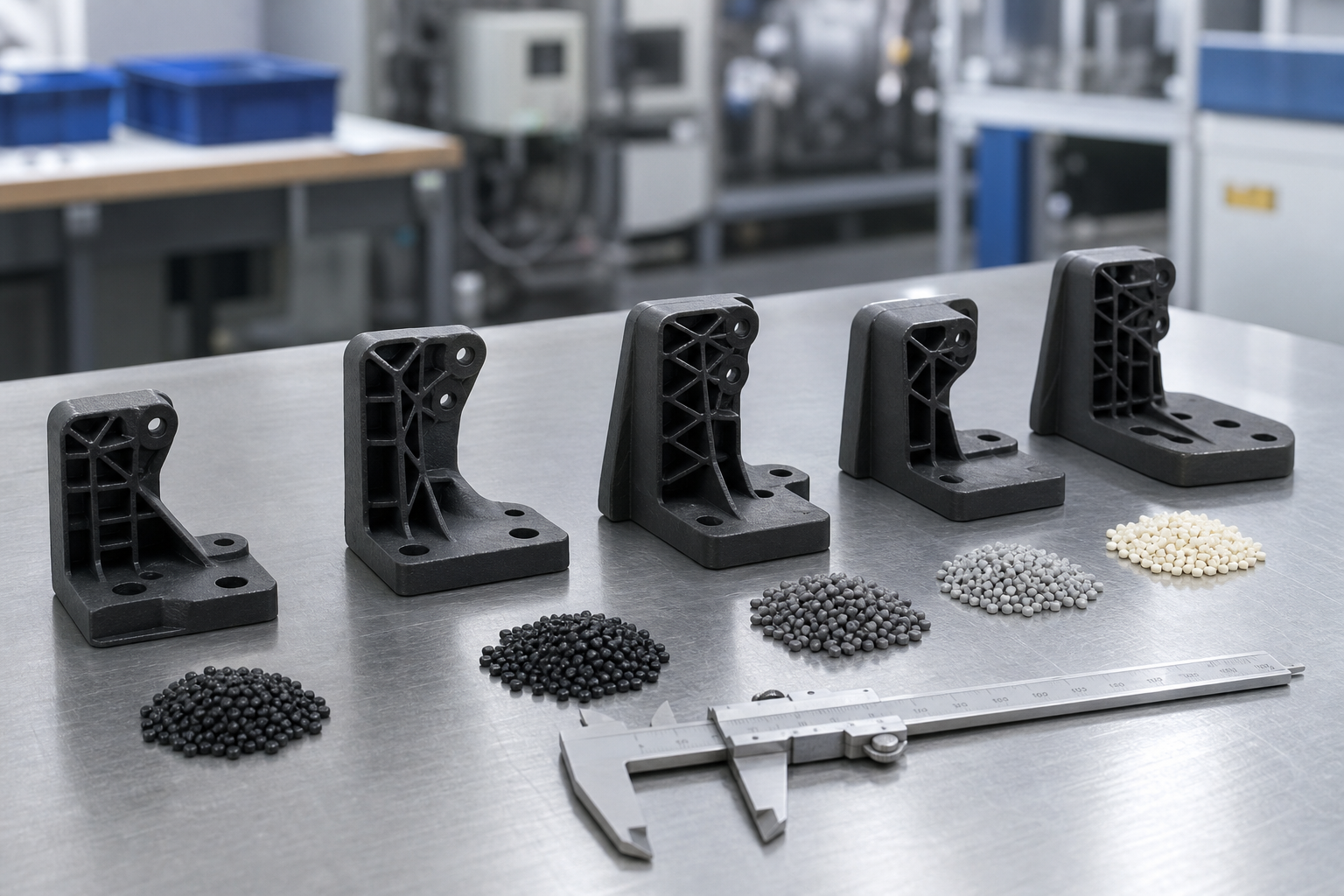
GF33 is often the easiest starting point for structural parts. GF40 is better when a part needs more stiffness without jumping to the highest loading level. GF60 is strongest on paper, but it only wins when the design and process can support it in real production.
Tại sao nên chọn nhựa nylon?
Nylon Plastic helps buyers choose a realistic nylon 66 grade instead of over-specifying the resin. That cuts sampling loops and reduces the chance of discovering that the highest glass ratio was the wrong choice.
PA66 GF Grade Questions Before a Higher-Fiber Resin Is Approved
- GF60 is selected because its stiffness is higher, even though the part may need impact tolerance, weld-line strength, surface quality, or easier molding.
- The buyer compares dry-as-molded data with conditioned requirements and overlooks moisture, fiber direction, temperature, and test method.
- A higher glass content is expected to remove warpage without reviewing gate location, wall transitions, ribs, cooling, and anisotropic shrinkage.
- The RFQ does not state whether PA-GF20, PA-GF30, PA-CF30, or a custom compound is acceptable when the exact grade is unavailable.
Nhựa nylon hỗ trợ dự án như thế nào
Nylon Plastic supports modified nylon selection from unfilled PA through PA-GF20 and PA-CF30, with custom compounding when a standard grade does not fit the load, heat, wear, color, or compliance need. The exact grade and conditioned test state should control the decision.
- Trước khi lập báo giá, hãy xem xét kỹ bản vẽ, vật liệu, số lượng, các đặc điểm quan trọng và môi trường sử dụng.
- Liên kết các mẫu, báo cáo kích thước, tài liệu vật liệu, khả năng truy xuất nguồn gốc và tiêu chí chấp nhận với cùng một phiên bản.
- Sử dụng các phương pháp chế tạo hợp chất theo yêu cầu, ép phun, gia công CNC hoặc in 3D khi ứng dụng đòi hỏi một phương pháp khác.
Bài đọc liên quan
- Nhựa kỹ thuật nylon biến tính
- PA66 GF15 so với GF30 so với GF60
- Nylon Material Selection
- Dịch vụ đúc phun nylon
Câu hỏi thường gặp
Cần Các giá trị trong bảng thông số kỹ thuật của PA6 GF30 bao gồm các thông số về độ bền kéo, độ bền uốn, nhiệt độ biến dạng nhiệt (HDT), độ co ngót và các thông số ép phun? Hãy tham khảo hướng dẫn đầy đủ về tính chất và quy trình gia công của PA6 GF30 của chúng tôi.
Is PA66 GF60 always better than GF33?
No. GF60 can raise stiffness and reduce some shrinkage directions, but it can also increase anisotropy, tool wear, surface texture, brittleness, and weld-line sensitivity. Choose against the actual failure mode.
When is PA66 GF40 a useful middle option?
It may balance stiffness, dimensional control, moldability, impact, surface requirements, and cost when GF33 is insufficient and GF60 adds unnecessary process or appearance risk.
Does higher glass content eliminate warpage?
No. Warpage still depends on fiber orientation, gate and flow, cooling, wall transitions, ribs, packing, geometry, and conditioning. Review the complete part and process rather than the filler percentage alone.
What should be sent for a PA66 GF grade recommendation?
Send the drawing, annual volume, load, temperature, moisture and chemical exposure, critical dimensions, appearance zones, current grade, approval needs, and whether PA-GF20 or PA-CF30 is an acceptable alternative.
Request a PA66 GF Grade Review
Send the drawing, service conditions, annual volume, current grade, and critical dimensions for a PA66 GF33, GF40, GF60, or modified-nylon comparison.