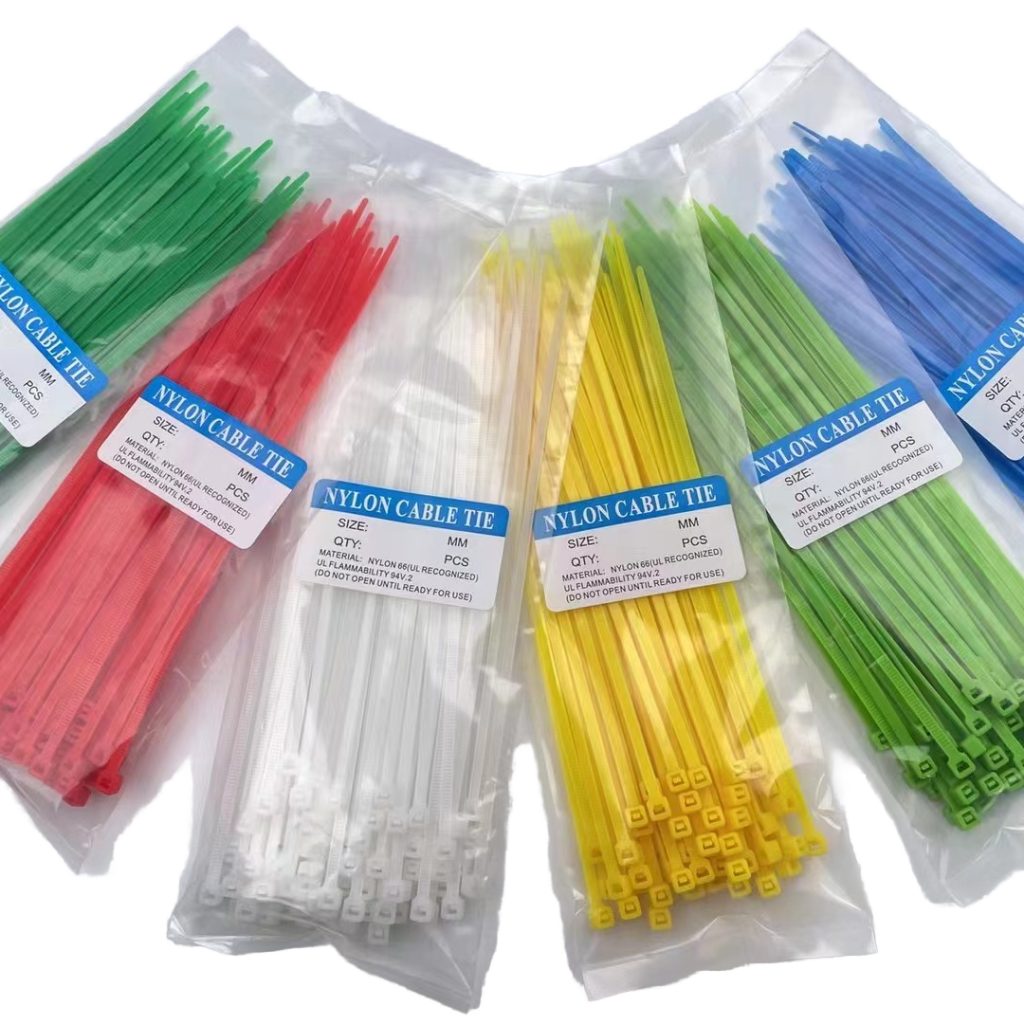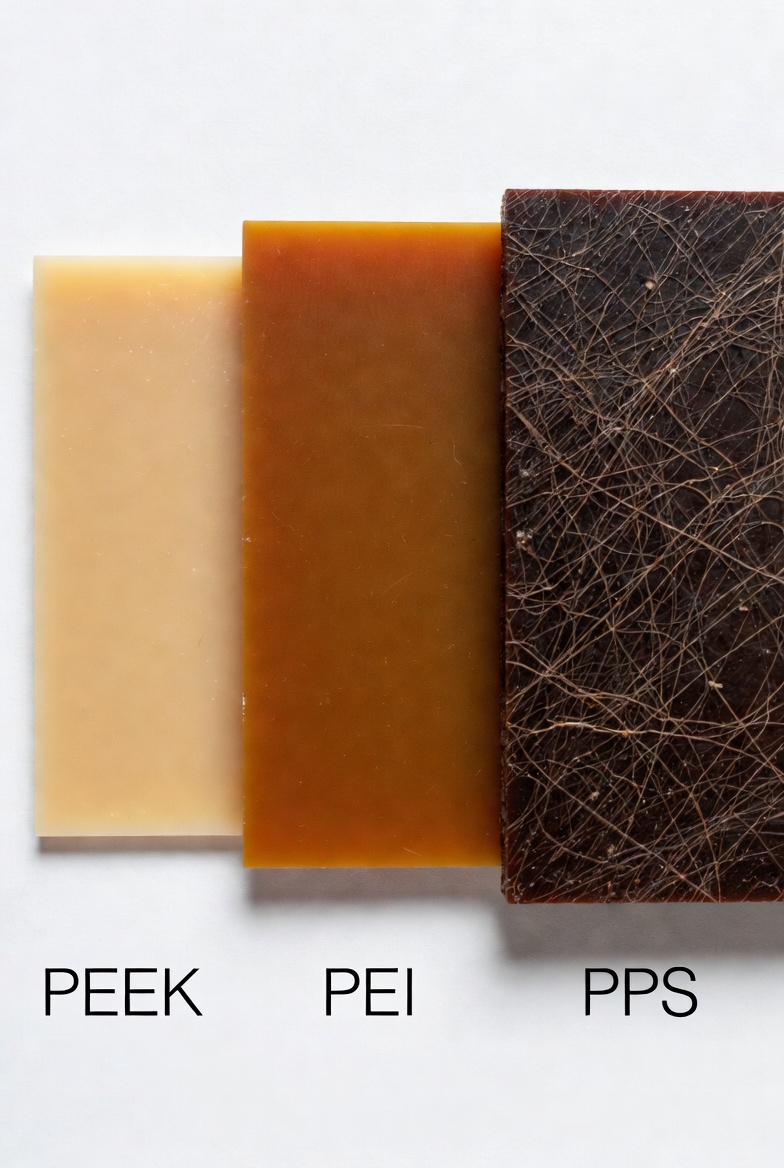
Nhựa kỹ thuật chịu nhiệt cao được lựa chọn khi một chi tiết cần duy trì độ bền cần thiết, khả năng cách nhiệt, khả năng chống hóa chất hoặc độ ổn định kích thước sau khi tiếp xúc với nhiệt. PEEK, PEI, PPS, PPA và LCP đều có thể phù hợp, nhưng mỗi loại giải quyết những vấn đề khác nhau. Lựa chọn tối ưu phụ thuộc vào biểu đồ nhiệt độ thực tế, tải trọng, tiếp xúc với hóa chất, hình dạng, quy trình sản xuất, khối lượng và yêu cầu về tài liệu kỹ thuật.
Giá trị tối đa trong bảng thông số kỹ thuật không đồng nghĩa với nhiệt độ thiết kế an toàn. Hãy xác định xem chi tiết đó có phải chịu tải liên tục, tiếp xúc với các đỉnh nhiệt ngắn hạn, trải qua chu kỳ nhiệt và độ ẩm, hay phải đáp ứng tiêu chuẩn chống cháy hoặc điện môi ở độ dày thành định trước hay không. Việc đánh giá vật liệu cũng cần xác định liệu phương pháp ép phun, gia công CNC hay phương pháp khác có thể tạo ra hình dạng và điều kiện kiểm tra theo yêu cầu hay không.
Bắt đầu từ điều kiện dịch vụ
| Yêu cầu | Cần định nghĩa điều gì | Tại sao nó lại thay đổi lựa chọn |
|---|---|---|
| Nhiệt độ | Nhiệt độ liên tục, nhiệt độ đỉnh, thời gian duy trì và chu kỳ nhiệt | Dữ liệu về độ uốn nhiệt và dữ liệu về sự nóng chảy ngắn hạn hoặc quá trình chuyển pha thủy tinh không mô tả cùng một trạng thái |
| Tải trọng cơ học | Tải trọng tĩnh, va đập, rung động, biến dạng chậm và hướng tải trọng | Độ cứng và hướng sợi có thể quan trọng hơn cả độ bền kéo danh định |
| Môi trường | Tiếp xúc với nước, hơi nước, nhiên liệu, chất tẩy rửa, axit, bazơ, dung môi và oxy | Khả năng chịu hóa chất có thể thay đổi tùy theo nhiệt độ, áp lực và thời gian tiếp xúc |
| Tuân thủ | Yêu cầu về lửa, khói, điện môi, y tế, thực phẩm hoặc theo yêu cầu cụ thể của khách hàng | Loại thép, màu sắc và độ dày thành ống cụ thể có thể là yếu tố quyết định việc phê duyệt |
Tổng quan về việc lựa chọn vật liệu
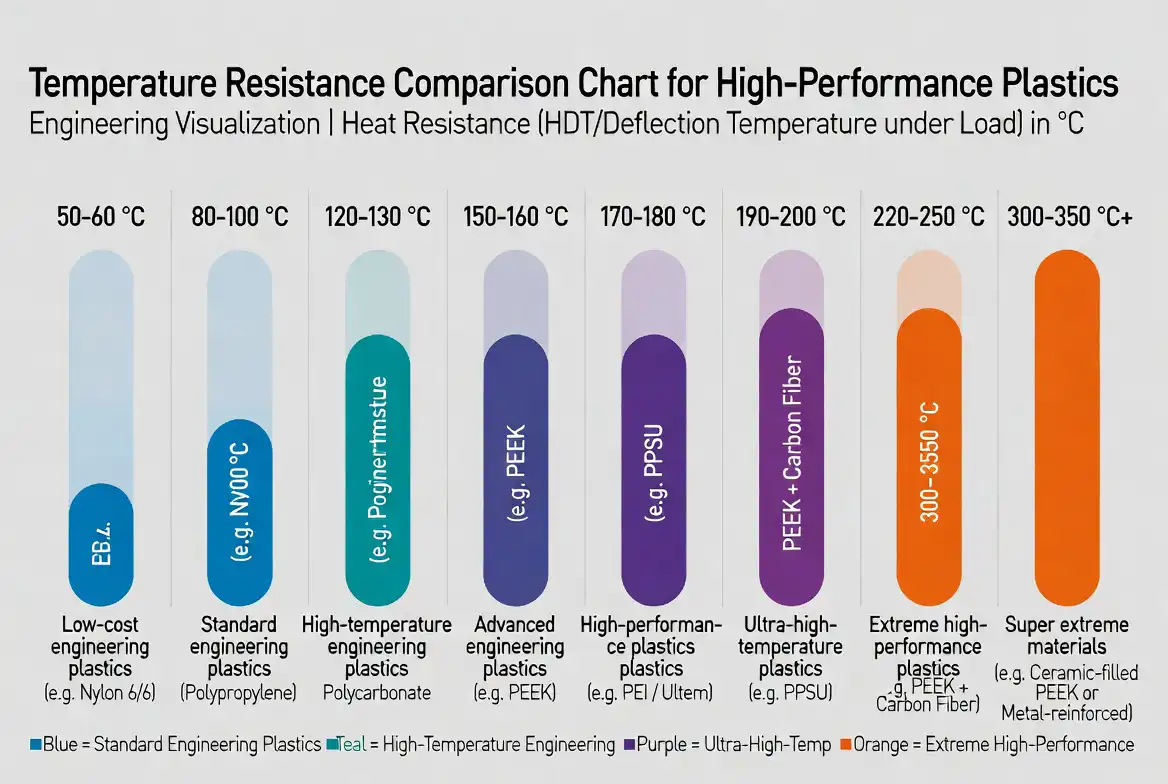
| Nhóm vật liệu | Thường được xem xét cho | Những thế mạnh chính | Các rủi ro chính |
|---|---|---|---|
| PEEK | Nhiệt độ cao, hóa chất, sự mài mòn và quá trình tiệt trùng | Khả năng chịu nhiệt độ cao, khả năng chống ăn mòn hóa học, khả năng chống mỏi và mài mòn | Chi phí nhựa và chi phí gia công cao; yêu cầu khắt khe về kiểm soát quá trình sấy, khuôn mẫu và đúc |
| PEI / Ultem | Các bộ phận điện, thiết bị cố định, vỏ bọc và các bộ phận đúc chịu nhiệt | Quy trình gia công vô định hình, độ ổn định điện môi, tính năng chống cháy ở các loại vật liệu phù hợp | Hiện tượng nứt do ứng suất khi tiếp xúc với một số hóa chất; độ ẩm và các yêu cầu sấy khô tùy theo loại vật liệu |
| PPS | Các bộ phận trong quy trình hóa học, các bộ phận dưới nắp ca-pô ô tô và các bộ phận điện | Khả năng hấp thụ độ ẩm thấp, khả năng chống hóa chất và độ ổn định kích thước | Các loại thép không gia cường có thể dễ gãy; các loại thép gia cường có tính định hướng và gây mài mòn dụng cụ |
| PPA | Các bộ phận kết cấu và ô tô chịu nhiệt độ cao với yêu cầu về chi phí | Có độ cứng và tính năng cách nhiệt hữu ích với chi phí thấp hơn so với PEEK | Độ ẩm, quá trình thủy phân, sự biến động về chất lượng và hiện tượng trượt dài hạn cần phải được xác nhận |
| LCP | Các đầu nối thành mỏng, các chi tiết tinh xảo và các linh kiện điện tốc độ cao | Độ chảy rất tốt, độ co ngót thấp và tính năng điện ở nhiệt độ cao | Tính dị hướng, độ bền đường hàn và hướng cửa rót có thể là những yếu tố quyết định trong thiết kế |
Đây là các hướng dẫn lựa chọn, không phải là những đảm bảo về tính chất chung. Loại vật liệu cụ thể, độ cứng, màu sắc, độ dày thành và tình trạng xử lý bề mặt phải được nêu rõ trong yêu cầu báo giá (RFQ). Đối với các chi tiết PEEK được gia công bằng máy CNC, vui lòng tham khảo Hướng dẫn gia công CNC vật liệu PEEK. Để biết thêm thông tin về cấp độ và quy trình đánh giá PEI, vui lòng tham khảo Hướng dẫn về vật liệu PEI Ultem.
Khi nào thì PEEK, PEI, PPS, PPA hoặc LCP là lựa chọn phù hợp hơn
Hãy chọn vật liệu PEEK khi sự kết hợp giữa nhiệt độ cao, tiếp xúc với hóa chất, mài mòn và tải trọng cơ học khiến biên độ an toàn trở nên rất hẹp. Việc này thường được coi là hợp lý đối với các chi tiết đòi hỏi độ chính xác cao như đế van, gioăng, ổ trục, các bộ phận máy bơm, thiết bị chịu nhiệt độ cao và một số bộ phận y tế hoặc hàng không vũ trụ. Quyết định mua hàng cần tính đến chi phí sấy khô, xử lý nhiệt độ cao, vật liệu khuôn, gia công và kiểm tra. Nếu tải trọng thực tế và mức độ tiếp xúc ở mức vừa phải, thì một loại polymer rẻ hơn có thể là đủ.
Hãy chọn PEI khi các đặc tính về điện, khả năng chống cháy và độ chính xác kích thước là yếu tố quan trọng ở nhiệt độ cao. PEI thường là lựa chọn phù hợp cho các loại đầu nối, khuôn cuộn dây, vỏ cảm biến, dụng cụ cố định và các chi tiết đúc cần sử dụng loại polymer vô định hình hiệu suất cao. Cần kiểm tra kỹ môi trường hóa học, đặc biệt là các keton, dung môi clo hóa và bazơ mạnh. Các So sánh giữa PEEK và PEI sẽ hữu ích khi cả hai phương án đều có vẻ khả thi.
Hãy chọn PPS khi khả năng chịu tiếp xúc với hóa chất và độ ổn định trước độ ẩm được coi trọng hơn độ bền va đập. PPS gia cường sợi thủy tinh có thể tạo ra các chi tiết cứng cáp và ổn định về kích thước trong các môi trường khắc nghiệt. Cần xem xét hướng cửa rót, vết hàn và các hình thức hư hỏng giòn trước khi phê duyệt cuối cùng. Nên sử dụng các chi tiết đại diện khi thử nghiệm, vì mẫu vật liệu phẳng không thể tái tạo được hướng dòng chảy hoặc ứng suất do chi tiết chèn gây ra.
Hãy chọn PPA khi chương trình cần một loại vật liệu kỹ thuật chịu nhiệt độ cao nhưng chi phí của PEEK lại không hợp lý. PPA có thể mang lại hiệu quả cao khi ứng dụng cho các bộ phận ô tô và công nghiệp được gia cố, nhưng tính chất chịu ẩm và thủy phân của vật liệu này phải phù hợp với từng ứng dụng cụ thể. Hãy chọn LCP khi các yếu tố như dòng chảy trong vật liệu thành mỏng, khoảng cách chân cắm nhỏ, độ co ngót thấp và hiệu suất điện là những yêu cầu chính. LCP không chỉ đơn thuần là một vật liệu thay thế có chi phí thấp hơn so với PEEK hay PEI; giá trị của nó nằm ở tính chất dòng chảy và độ chính xác.
Rủi ro trong quá trình xử lý và thiết kế
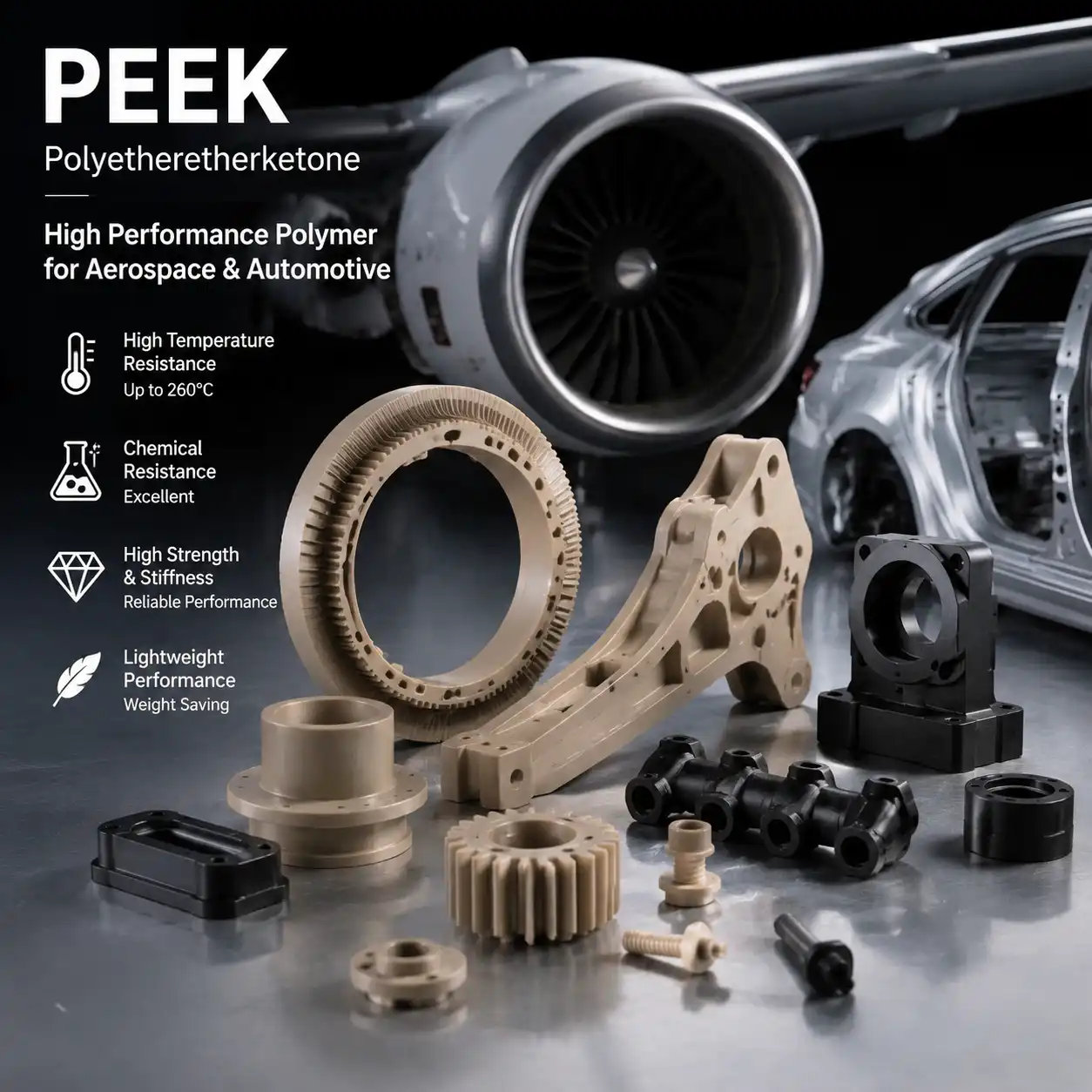
Các loại polymer chịu nhiệt cao ít dung sai hơn đối với độ ẩm, thời gian lưu giữ, quá trình thoát khí và sự biến động nhiệt độ khuôn. Cần xác nhận khoảng thời gian sấy và thời gian chuyển phôi do nhà cung cấp nhựa quy định. Đối với quá trình ép phun, cần kiểm tra nhiệt độ khuôn, tốc độ nạp nguyên liệu, quá trình nén chặt, cân bằng làm mát, vị trí cửa phun, vết hàn và quá trình đẩy sản phẩm ra khỏi khuôn. Đối với gia công CNC, hãy xác nhận tình trạng vật liệu thô, mức độ mòn dao cụ, lực kẹp, sinh nhiệt, ứng suất dư và tình trạng tự do của vật liệu trong quá trình kiểm tra.
- Hãy đảm bảo độ dày của tường chuyển tiếp một cách từ từ và sử dụng bán kính bo tròn tại các góc trong.
- Nên bố trí các khe hở và đường hàn ở những vị trí tránh xa các tải trọng cơ học hoặc tải trọng làm kín lớn nhất.
- Sử dụng loại nhựa và hướng gia cố thực tế trong quá trình rà soát dòng chảy và dung sai.
- Hãy xác định các bề mặt phác thảo và bề mặt đẩy trước khi phê duyệt kết cấu hoặc các hốc sâu.
- Cần phân biệt giữa việc chấp nhận về mặt thẩm mỹ và việc chấp nhận về mặt chức năng đối với các bề mặt ở nhiệt độ cao.
- Hãy đo các đặc tính quan trọng sau khi xử lý hoặc tiếp xúc với nhiệt khi độ phù hợp phụ thuộc vào các đặc tính đó.
Cách lập hồ sơ yêu cầu báo giá (RFQ) cho nhựa chịu nhiệt độ cao
Vui lòng gửi mô hình CAD, bản vẽ kỹ thuật, yêu cầu về nhựa hoặc chỉ tiêu hiệu suất, biểu đồ nhiệt độ, trường hợp tải trọng, danh sách hóa chất, số lượng, yêu cầu về quy trình sản xuất, bề mặt hoàn thiện, màu sắc, kích thước quan trọng và các tài liệu cần thiết. Hãy nêu rõ liệu chi tiết đó sẽ được đúc, gia công cơ khí hay dùng làm mẫu thử. Yêu cầu nhà cung cấp xác định loại vật liệu đề xuất, điều kiện sấy, yêu cầu về khuôn hoặc vật liệu thô, phương pháp kiểm tra và bất kỳ đặc điểm nào cần xem xét về dung sai hoặc vật liệu.
Đối với các bộ phận tiếp xúc với hóa chất, cần cung cấp thông tin về nồng độ, nhiệt độ, thời gian tiếp xúc, áp suất, trạng thái ứng suất và chu trình làm sạch. Đối với các bộ phận điện, cần nêu rõ các yêu cầu về tính điện môi, khả năng chống cháy, hiện tượng rò điện hoặc cách điện, cũng như độ dày thành tại vị trí quan trọng. Đối với các ứng dụng chịu sự quản lý, cần thống nhất chính xác loại vật liệu và hồ sơ liên quan trước khi đặt hàng, thay vì coi tên nhóm polymer là bằng chứng cho sự chấp thuận.
Xác định tính phù hợp theo lộ trình quy trình
Đúc phun thường là phương pháp được ưu tiên cho các đơn hàng sản xuất hàng loạt khi hình dạng, loại nhựa và nhu cầu hàng năm đủ lớn để đầu tư vào một khuôn chuyên dụng. Khuôn cần được chế tạo từ loại thép phù hợp, cùng với hệ thống gia nhiệt, làm mát, thoát khí, đẩy sản phẩm và xử lý bề mặt phù hợp với loại nhựa đã chọn. Một vật liệu chịu nhiệt cao có thể tạo ra các mẫu thử đạt yêu cầu nhưng vẫn bộc lộ các khuyết tật như đường hàn yếu, lõm, vảy nhựa thừa hoặc sai lệch kích thước trên sản phẩm thực tế. Cần phê duyệt khuôn dựa trên các mẫu đại diện cho quá trình sản xuất và kiểm tra các đặc điểm quan trọng trên toàn bộ phạm vi khoang khuôn và quy trình đã thỏa thuận.
Gia công CNC có thể là phương án tối ưu hơn cho các mẫu thử, sản xuất số lượng ít, các chi tiết có kích thước lớn hoặc các bộ phận cần độ chính xác cục bộ mà không cần khuôn mẫu. Tuy nhiên, phương pháp này cũng tiềm ẩn những rủi ro riêng: vật liệu thô có thể chứa ứng suất dư, các thành mỏng có thể bị giãn sau khi kẹp chặt và vật liệu có thể bị nóng lên trong quá trình cắt. Việc gia công thô, xả ứng suất khi cần thiết, gia công hoàn thiện và kiểm tra trong trạng thái tự do cần được xem xét trong kế hoạch quy trình. Phương pháp kết hợp có thể gia công các bề mặt làm kín hoặc bề mặt ổ trục sau khi đúc khi phương pháp này kinh tế hơn so với việc siết chặt toàn bộ khuôn.
Trong lĩnh vực mua sắm, cần so sánh các nhà cung cấp trên toàn bộ quy trình thay vì chỉ dựa vào tính sẵn có của nhựa: khả năng truy xuất nguồn gốc chất lượng, thiết bị sấy khô, năng lực về khuôn mẫu hoặc nguyên liệu sẵn có, hồ sơ kiểm tra, sự chấp thuận của dự án thử nghiệm và quy trình kiểm soát thay đổi – tất cả đều ảnh hưởng đến mức độ rủi ro khi giao hàng.
Khi chi tiết được sử dụng gần giới hạn nhiệt của nó, cần tiến hành kiểm định toàn bộ cụm lắp ráp thay vì chỉ riêng vật liệu polymer. Kiểm tra các chi tiết buộc chặt, miếng chèn, gioăng, chất kết dính, chất bôi trơn và các kim loại lân cận để xác định xem có sự khác biệt về tốc độ giãn nở hoặc phản ứng hóa học hay không. Ghi lại tải trọng được áp dụng trong chu kỳ nhiệt và kiểm tra lại độ khít, mô-men xoắn, rò rỉ, cách nhiệt và chuyển động sau khi tiếp xúc. Điều này giúp chuyển việc lựa chọn vật liệu thành việc phê duyệt chi tiết dựa trên bằng chứng.
Câu hỏi thường gặp
Loại nhựa chịu nhiệt nào là tốt nhất về mọi mặt?
Không có loại vật liệu nào được coi là tốt nhất trong mọi trường hợp. PEEK mang lại sự kết hợp toàn diện giữa các tính năng chịu nhiệt, hóa học và cơ học, trong khi PEI, PPS, PPA và LCP có thể là những lựa chọn phù hợp hơn khi các yêu cầu chính là tính năng điện, độ ổn định hóa học, chi phí, khả năng đúc thành phẩm có thành mỏng hoặc kiểm soát kích thước.
PEI có rẻ hơn PEEK không?
PEI thường có giá mua và chi phí gia công thấp hơn so với PEEK, nhưng việc so sánh này còn phụ thuộc vào loại vật liệu, số lượng, khuôn mẫu, gia công cơ khí, sấy khô, kiểm tra chất lượng và chi phí do hỏng hóc gây ra. Nên dựa vào điều kiện sử dụng thực tế thay vì chỉ xem xét giá nguyên liệu.
Có thể đúc phun các loại nhựa chịu nhiệt cao không?
Đúng vậy. Các loại vật liệu PEEK, PEI, PPS, PPA và LCP đều có thể được đúc phun ở các loại phù hợp, nhưng mỗi loại đều yêu cầu các khoảng thời gian được kiểm soát chặt chẽ cho các giai đoạn sấy khô, nung chảy, ép khuôn, thoát khí, làm mát và đẩy sản phẩm ra khỏi khuôn. Khuôn và máy móc phải tương thích với loại polymer đã chọn.
Cần những thông tin nào để lựa chọn loại nhựa chịu nhiệt độ cao?
Cung cấp các thông tin về nhiệt độ liên tục và nhiệt độ cực đại, tải trọng, tiếp xúc với hóa chất, độ ẩm hoặc hơi nước, các yêu cầu về điện hoặc ngọn lửa, hình dạng, số lượng, quy trình sản xuất, dung sai, cũng như các hồ sơ kiểm tra hoặc tuân thủ cần thiết.
Cần kiểm tra dung sai của nhựa chịu nhiệt cao như thế nào?
Sử dụng các điểm tham chiếu được kiểm soát, điều kiện chi tiết đã được xác định và phương pháp phù hợp với đặc tính của chi tiết. Đối với các chi tiết quan trọng, cần tiến hành kiểm tra sau khi sấy khô, điều hòa hoặc tiếp xúc nhiệt đại diện, và so sánh kết quả với yêu cầu lắp ráp ghép nối.