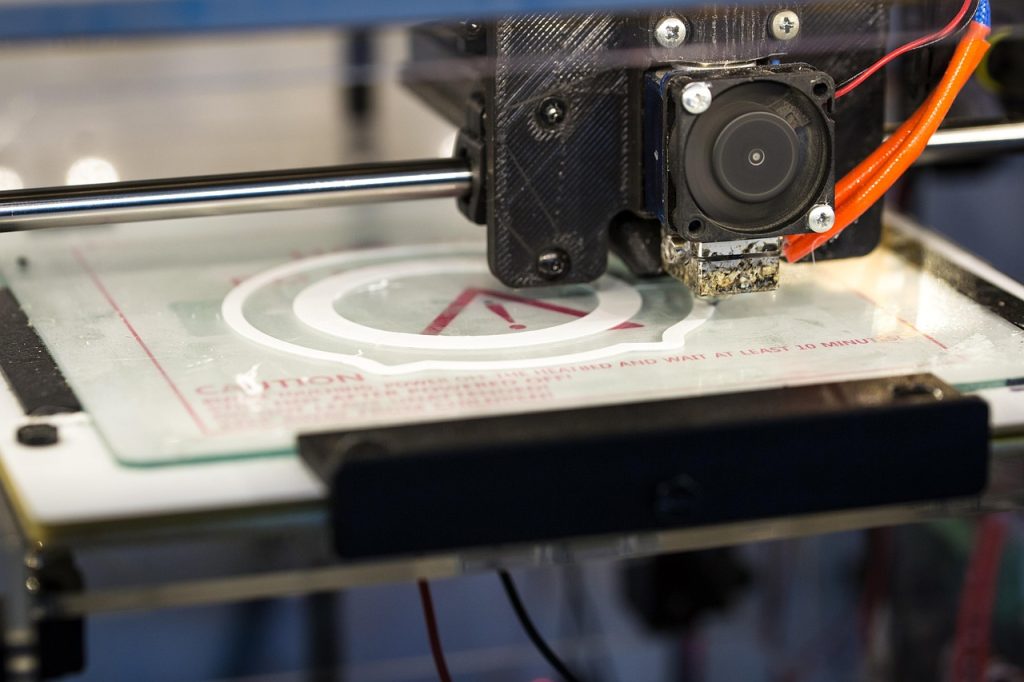
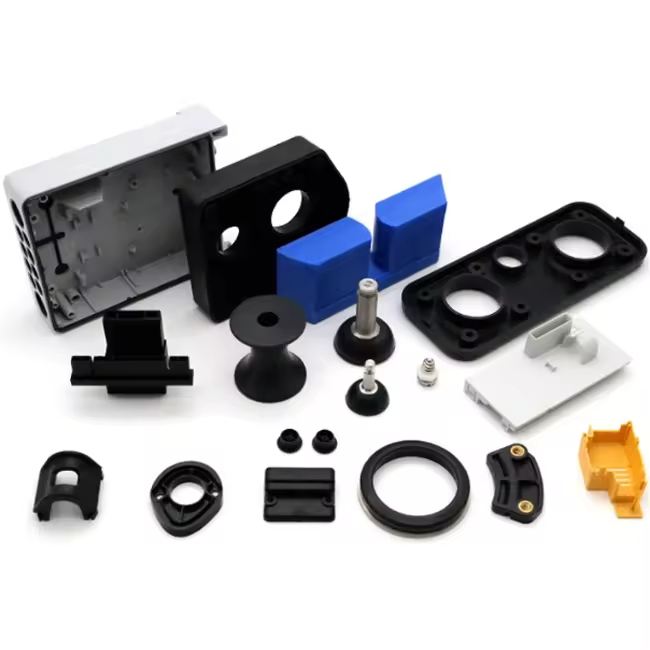
Injection molding is the dominant manufacturing process for plastic parts at scale. It converts raw polymer pellets into finished components in seconds, producing everything from bottle caps to automotive dashboards with high precision and repeatability. Understanding how the process works helps engineers design better parts, avoid common defects, and communicate effectively with molders.
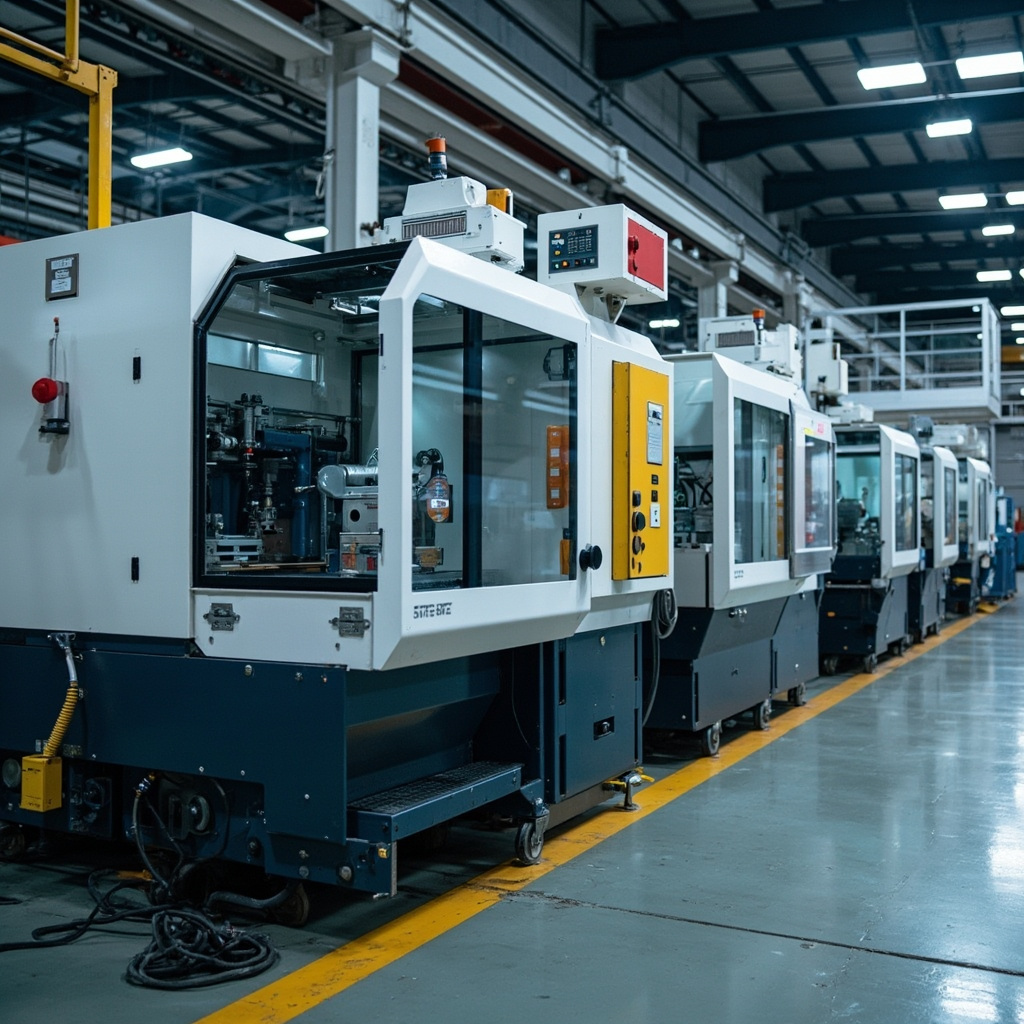
How Injection Molding Works: The Basic Cycle
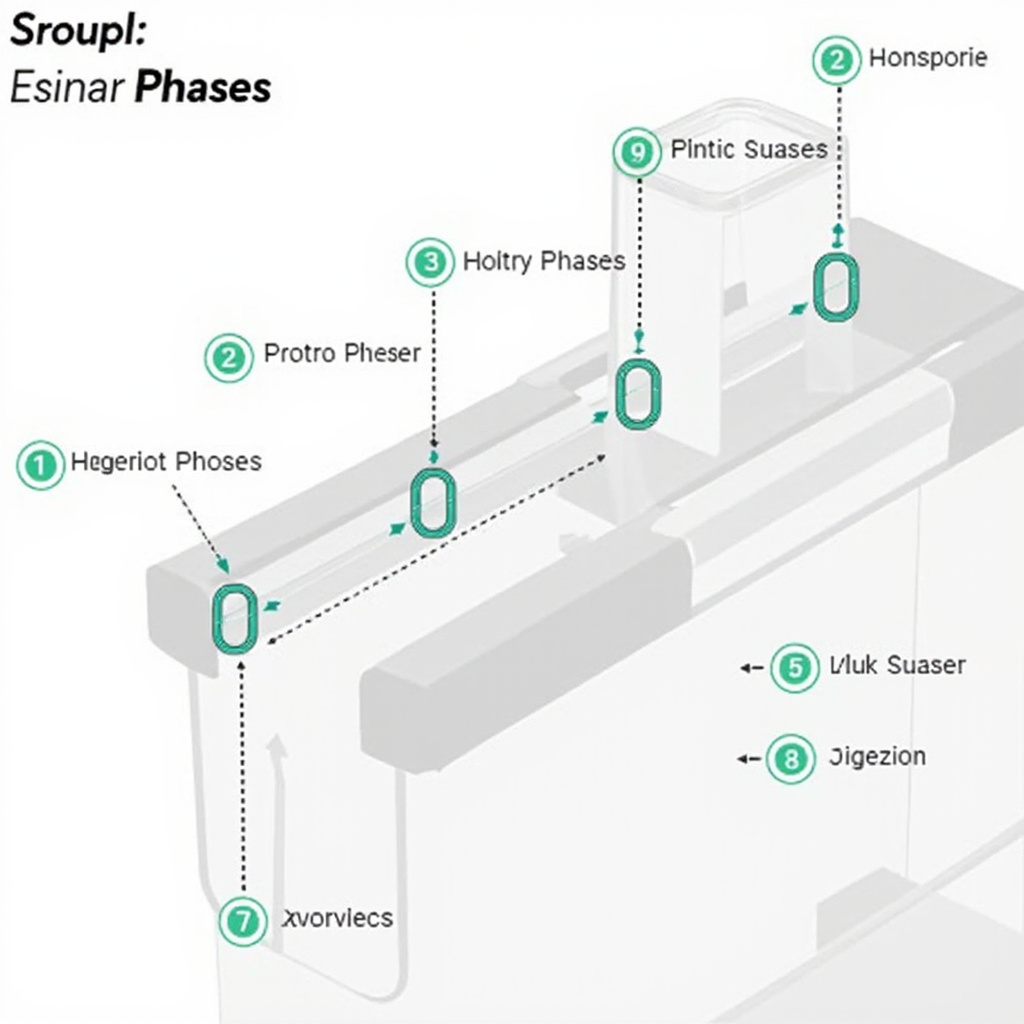
The injection molding cycle consists of five distinct phases, each with specific parameter controls that determine part quality.
1. Clamping
Before injection begins, the mold must be securely clamped shut. The clamping force must exceed the injection pressure (typically 60-150 MPa) to prevent flash—thin layers of material escaping the mold cavity at the parting line. Clamp tonnage is typically calculated at 3-8 tons per square inch of projected part area, depending on material and part geometry.
2. Injection
Plastic pellets are fed from a hopper into a heated barrel where a rotating screw melts and homogenizes the material. The molten plastic is then injected into the mold cavity at high speed and pressure. Injection speed and pressure profiles are critical—they must fill the cavity completely before the material begins to solidify.
3. Packing and Holding
After the cavity is filled, additional pressure (holding pressure) is applied to compensate for material shrinkage as the part cools. This phase typically lasts 5-20 seconds depending on wall thickness. Inadequate holding pressure results in sink marks and dimensional shortfalls.
4. Cooling
The part solidifies as heat transfers to the mold walls. Cooling time is the longest phase of the cycle, typically 10-60 seconds. Cooling channel design in the mold is critical—well-designed cooling reduces cycle time and improves part quality.
5. Ejection
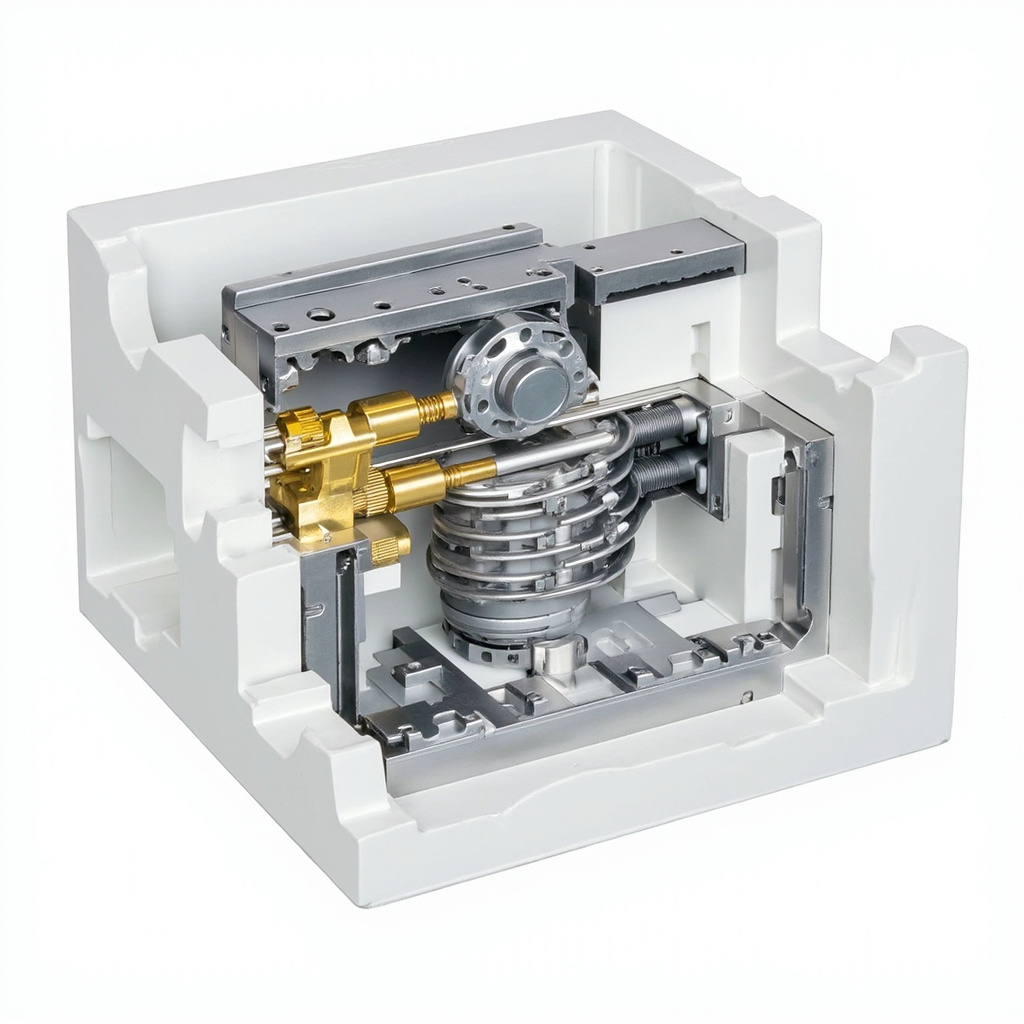
Once the part has solidified sufficiently, the mold opens and an ejection system (typically spring-loaded pins or a stripper plate) pushes the part out of the cavity. Draft angles on part walls facilitate ejection. Ejection too early causes warpage; too late wastes cycle time.
Các thông số quy trình chính
| Tham số | Phạm vi điển hình | Effect on Part |
|---|---|---|
| Nhiệt độ nóng chảy | 220-300 degrees C (material dependent) | Higher = better fill, more degradation risk |
| Nhiệt độ khuôn | 20-120 degrees C | Higher = better surface, longer cycle |
| Áp suất phun | 60-150 MPa | Higher = better fill, flash risk |
| Giữ áp suất | 40-80% of injection pressure | Compensates shrinkage, affects density |
| Cooling Time | 10-60 seconds | Longer = less warpage, slower cycle |
 id #ddd;”>Total Cycle Time |
15-120 seconds (typical) | Drives production cost per part |
Common Defects and Their Causes
Vết lõm trên bồn rửa
Dimensional voids or depressions on the surface, typically over thick sections or ribs. Caused by insufficient holding pressure, short holding time, or excessive melt temperature. Fix: increase packing pressure and time, reduce wall thickness transitions.
Flash
Thin excess material at the parting line or around cores. Caused by insufficient clamp force, excessive injection pressure, or worn mold. Fix: increase clamp tonnage, reduce injection pressure, inspect mold for wear.
Biến dạng
Non-planar distortion of the finished part. Caused by uneven cooling, excessive shear from high injection speed, or residual stress from insufficient annealing. Fix: balance cooling channels, adjust gate location, use模具temperature control.
Short Shot
Incomplete filling—the cavity is only partially filled. Caused by insufficient injection pressure/speed, material that is too cold, or clogged gates. Fix: increase injection parameters, verify material drying, check gate clearance.
Đường hàn
Visible lines where two flow fronts meet in the cavity. Caused by multiple gate locations, complex geometry, or low
melt temperature. Weld lines are weak points and stress concentrators. Fix: raise melt temperature, redesign gate locations, add venting at weld line locations.
Burning Marks
Dark spots or streaks near the end of fill, typically from trapped air that ignites. Caused by excessive injection speed, poor venting, or excessive moisture in material. Fix: reduce injection speed, add vacuum vents, verify material dryness.
Injection Molding vs. Other Processes
| Yếu tố | Ép phun | Chế tạo CNC | In ấn 3D |
|---|---|---|---|
| Best for Quantity | 1,000+ parts | 1-500 parts | 1-100 parts |
| Sự khoan dung | +/-0.05 mm typical | +/-0.01 mm achievable | +/-0.1-0.5 mm typical |
| Bề mặt hoàn thiện | Mold finish dependent | Tool mark dependent | Layer lines visible |
| Chi phí dụng cụ | High ($10K-$500K+) | Low-medium | Không có |
| Chất thải vật liệu | Sprue/runner system | Chip evacuation | Support structures |
Our Injection Molding Capabilities
We offer injection molding services for prototyping and low-to-mid-volume production:
- Multi-cavity tooling for competitive unit pricing at moderate volumes
- Overmolding and insert molding for multi-material assemblies
- Hot runner and cold runner systems optimized for part requirements
- Full DFM analysis before mold construction to minimize defects
Câu hỏi thường gặp
When does Injection Molding Process: A Complete Step-by-Step Guide make sense?
Injection Molding Process: A Complete Step-by-Step Guide makes sense when the part volume, material choice, geometry, and repeatability needs justify mold design and tooling investment.
What design factors matter most for Injection Molding Process: A Complete Step-by-Step Guide?
Độ dày thành, gân, phần lồi, góc nghiêng, vị trí cửa rót, độ co ngót, đường phân chia và cơ chế đẩy đều ảnh hưởng đến chất lượng chi tiết đúc.
Cần những thông tin nào trước khi sản xuất khuôn?
Nhà cung cấp cần xác nhận mô hình 3D, vật liệu, khối lượng dự kiến hàng năm, các yêu cầu về hình thức, yêu cầu về dung sai, cũng như bất kỳ yêu cầu nào liên quan đến lắp ráp hoặc kiểm tra chức năng.
What is the biggest risk in Injection Molding Process: A Complete Step-by-Step Guide?
Rủi ro lớn nhất là phê duyệt khuôn mẫu trước khi các yếu tố như tính chất vật liệu, độ co ngót, quá trình chảy và chức năng của chi tiết được kiểm tra đầy đủ dựa trên điều kiện ứng dụng thực tế.
For drawing-specific DFM, material, tooling and production support after using this guide, review our dịch vụ ép phun nhựa and send the drawing, resin requirements and expected volume.