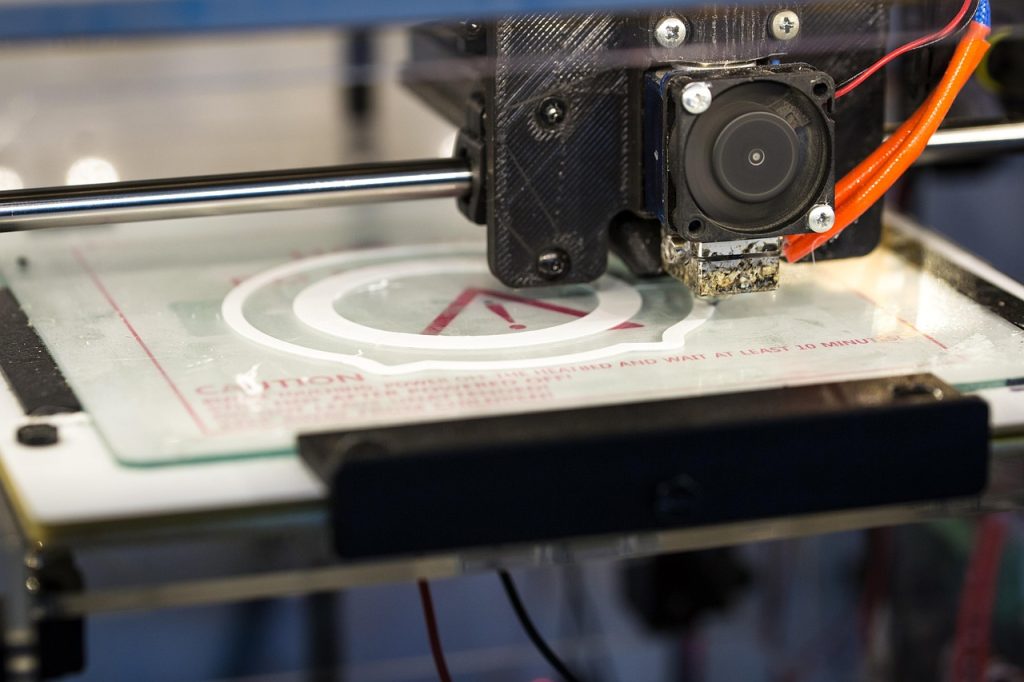
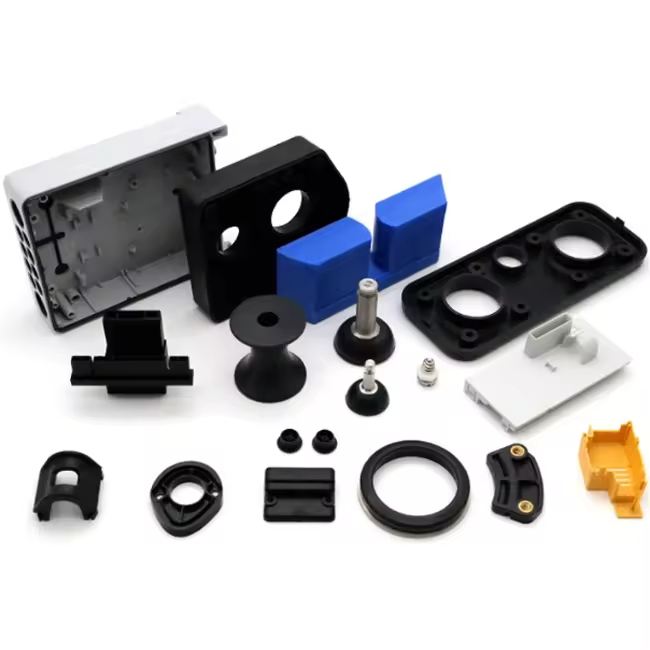
This pla vs pla understanding different grades guide explains practical material, design, manufacturing, and sourcing considerations for Nylon Plastic readers.
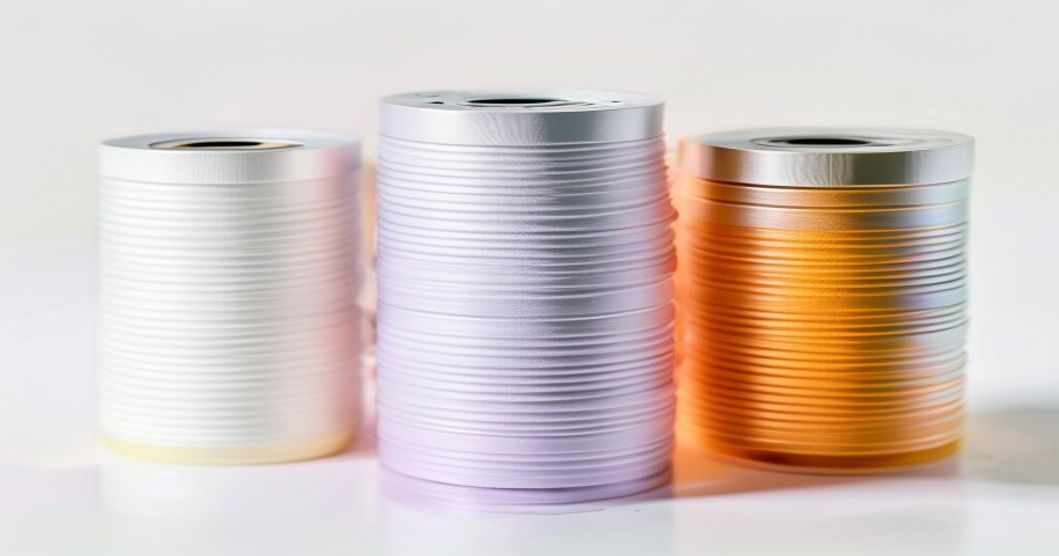
Polylactic Acid (PLA) dominates the 3D printing filament market, accounting for over 60% of all filament sales worldwide. Yet anyone comparing pla vs pla across different brands quickly discovers that the same material name can yield dramatically different print results. This article breaks down the different PLA filament grades, explains why they behave so differently on the same printer, and helps you choose the right grade for your application.
What Is PLA Filament
PLA is a biodegradable thermoplastic derived from renewable resources such as corn starch, sugarcane, or tapioca roots. It prints at relatively low temperatures (190-220°C), produces minimal warping, and does not require a heated enclosure. These characteristics make it the default choice for beginners and the go-to material for visual prototypes, architectural models, and educational prints.
However, standard PLA has well-documented limitations: it is brittle, has a low glass transition temperature (approximately 55-60°C), and loses mechanical integrity quickly under sustained load or elevated temperatures.
PLA vs PLA: Why the Same Material Performs Differently
When we say “pla vs pla,” we are really comparing different manufacturing grades and quality levels of the same base polymer. The key variables that separate one PLA from another include:
- Molecular weight distribution — Higher molecular weight PLA chains produce stronger, more ductile parts but require higher extrusion temperatures
- Crystallinity control — Semi-crystalline PLA grades offer better heat resistance than fully amorphous variants
- Additive packages — Plasticizers, impact modifiers, and nucleating agents can significantly alter mechanical properties
- Diameter tolerance — Consumer-grade filament varies ±0.05 mm; industrial grades hold ±0.02 mm
- Drying and packaging — Properly dried and vacuum-sealed filament prints more consistently
PLA Filament Grades Compared
| Tài sản | Consumer PLA | Premium PLA | Industrial PLA |
|---|---|---|---|
| Độ bền kéo | 40–50 MPa | 50-60 MPa | 60-70 MPa |
| Độ giãn dài khi đứt | 2-4% | 4-6% | 6-10% |
| Diameter Tolerance | ±0.05 mm | ±0.03 mm | ±0.02 mm |
| Glass Transition Temp | 55-58°C | 58-62°C | 60-65°C |
| Typical Price/kg | $15-22 | $22-35 | $35-60 |
How PLA Grade Affects Your Prints
The grade of PLA you choose directly impacts three critical aspects of your printed parts:
Độ chính xác về kích thước
Industrial-grade PLA with tight diameter tolerance (±0.02 mm) produces parts with consistent wall thickness and predictable tolerances. Consumer-grade PLA with ±0.05 mm variation can cause under-extrusion in thin sections and over-extrusion in dense infill areas.
Hiệu suất cơ học
A printed part made from industrial PLA can withstand 40-75% more tensile load than the same geometry printed in consumer PLA, due to better molecular chain alignment during extrusion and higher crystallinity achieved through controlled cooling.
Chất lượng bề mặt
Premium and industrial PLA grades typically contain fewer impurities and more consistent pigment dispersion, resulting in smoother surface finishes with fewer visible layer lines and less stringing during travel moves.

Choosing the Right PLA Grade for Your Application
Select your PLA grade based on what the printed part needs to do, not just the price per kilogram:
- Visual prototypes and display models — Consumer PLA is sufficient; prioritize color selection and surface finish
- Functional prototypes needing accuracy — Premium PLA with ±0.03 mm tolerance ensures dimensional reliability
- End-use parts under mechanical load — Industrial PLA or consider upgrading to PLA+ for better impact resistance
- Batch production — Industrial PLA reduces part-to-part variation and scrap rate, often offsetting the higher material cost
Why Choose Nylon Plastic for Your 3D Printing and Engineering Plastic Needs
With over 10 years of experience in engineering plastics, Nylon Plastic supplies high-performance materials to B2B clients worldwide. Our product range covers nylon (PA6, PA66, PA12), POM, PEEK, and 3D printing filaments including PLA, PLA+, and PETG. Every batch is tested for diameter tolerance (±0.03mm), moisture content, and mechanical properties before shipping.
- ISO 9001 certified manufacturing facilities
- Bulk supply with competitive B2B pricing
- Technical support for material selection and printing parameters
- Fast global shipping from multiple warehouses
- Custom material formulation available for OEM projects
Câu hỏi thường gặp
When is PLA vs PLA: Understanding the Different PLA Filament Grades a good option?
PLA vs PLA: Understanding the Different PLA Filament Grades is a good option when fast iteration, complex geometry, low tooling cost, or low-volume production is more important than molded-part unit cost.
What should be checked before choosing PLA vs PLA: Understanding the Different PLA Filament Grades?
Kiểm tra kích thước chi tiết, tính chất vật liệu, độ nhám bề mặt, dung sai kích thước, mức độ tiếp xúc với nhiệt, hướng tải trọng và xem có cần xử lý sau gia công hay không.
How does PLA vs PLA: Understanding the Different PLA Filament Grades compare with CNC machining?
In 3D có thể tạo ra các hình dạng phức tạp một cách nhanh chóng, trong khi gia công CNC thường mang lại độ bền cao hơn cho các bề mặt chính xác, dung sai chặt chẽ hơn và sử dụng vật liệu đạt tiêu chuẩn sản xuất.
What affects the cost of PLA vs PLA: Understanding the Different PLA Filament Grades?
Chi phí phụ thuộc vào vật liệu, thể tích in, thời gian in, độ dày lớp, việc tháo khung đỡ, hoàn thiện, kiểm tra và số lượng chi tiết trong mô hình.