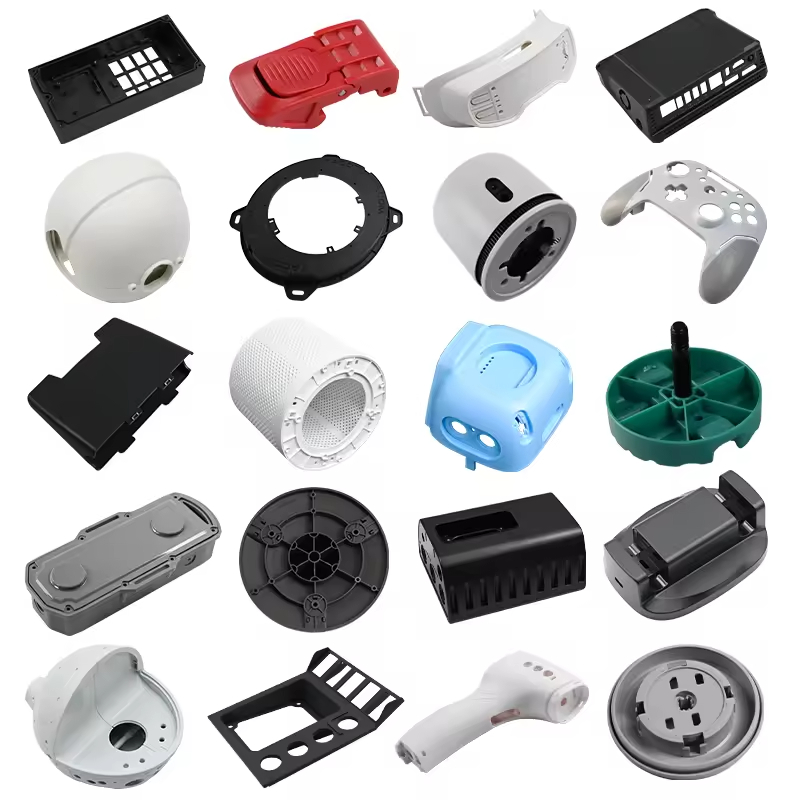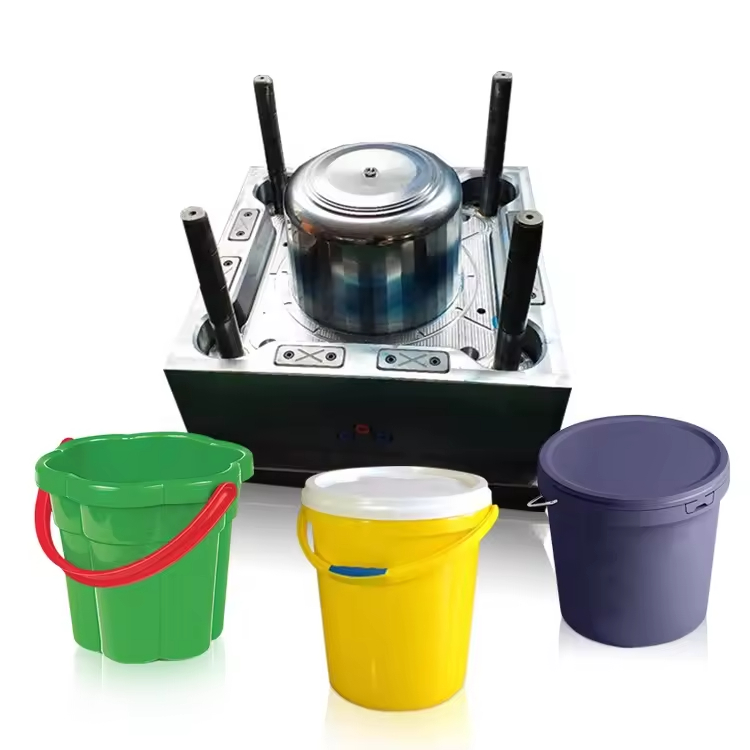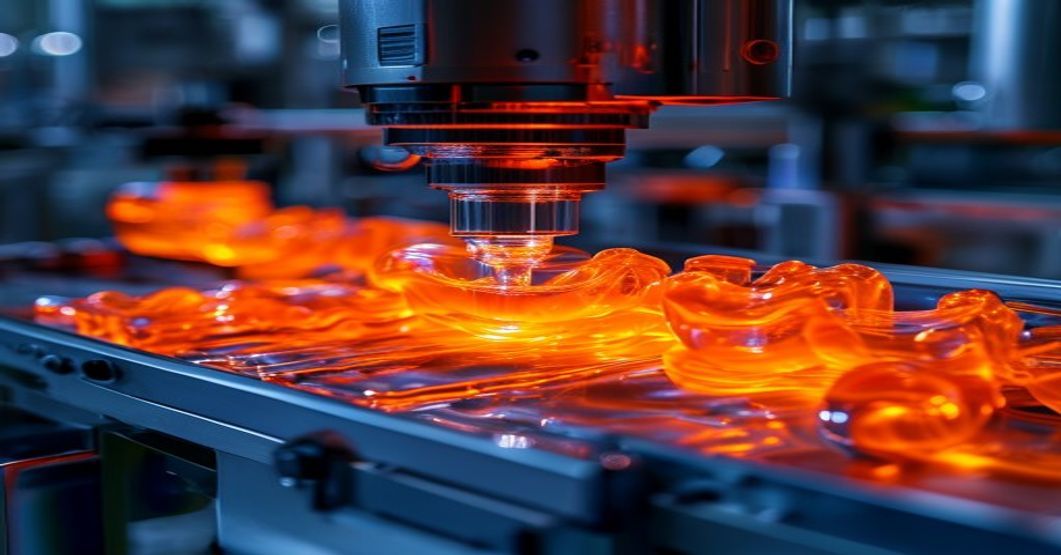
Nylon là một trong những loại nhựa nhiệt dẻo kỹ thuật được sử dụng rộng rãi nhất trong công nghệ ép phun, nhưng các đặc tính gia công đặc thù của nó — nhạy cảm với độ ẩm, phạm vi nóng chảy hẹp và quá trình kết tinh nhanh — đòi hỏi phải có kiến thức chuyên môn cụ thể để đảm bảo chất lượng ổn định.
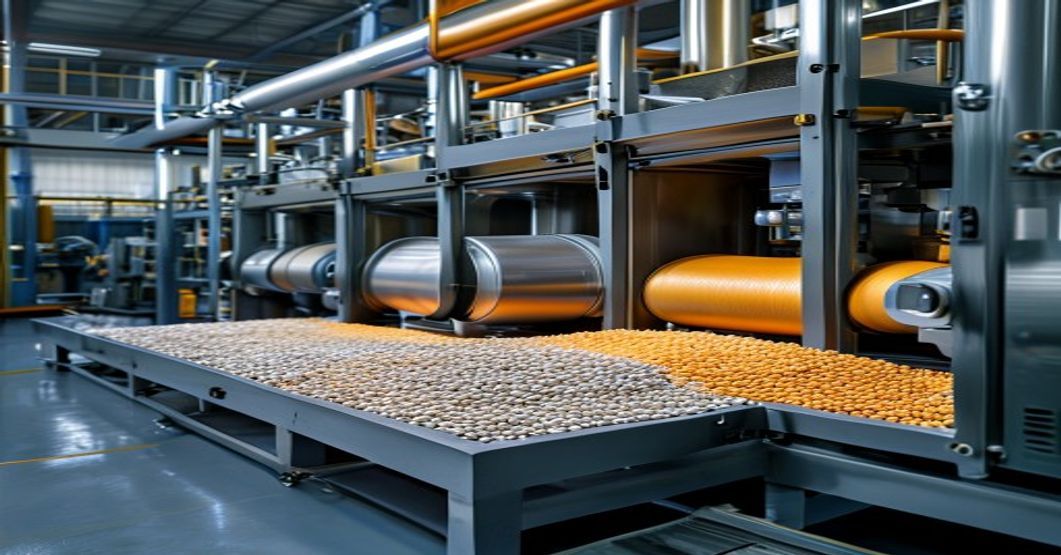
Chuẩn bị nguyên liệu: Quá trình sấy khô là yếu tố then chốt
| Hạng | Nhiệt độ sấy | Thời gian | Độ ẩm mục tiêu |
|---|---|---|---|
| PA6 | 80°C | 4–8 giờ | < 0.10% |
| PA66 | 80°C | 4–8 giờ | < 0.10% |
| PA6 GF30 | 80°C | 4–6 giờ | < 0.05% |
Các thông số xử lý
| Tham số | PA6 | PA66 | PA6 GF30 |
|---|---|---|---|
| Nhiệt độ nóng chảy | 240–270 °C | 270–300 °C | 250–280 °C |
| Nhiệt độ khuôn | 60–90°C | 80–100°C | 80–100°C |
| Áp suất phun | 70–120 MPa | 80–140 MPa | 80–150 MPa |
Thiết kế khuôn cho nylon
Thiết kế cổng
Kích thước lỗ phun nên bằng 50–751 lần độ dày thành khuôn. Cần bố trí các lỗ phun sao cho đảm bảo dòng chảy đồng đều và giảm thiểu các vấn đề về định hướng sợi trong các loại nhựa gia cường sợi thủy tinh.
Xả hơi
Việc tạo lỗ thông khí đúng cách là rất quan trọng — do nylon có độ nhớt thấp nên nó lấp đầy khuôn rất nhanh và có thể giữ lại không khí. Độ sâu lỗ thông khí thông thường là 0,01–0,03 mm.
Các lỗi thường gặp và cách khắc phục
| Lỗi | Nguyên nhân | Giải pháp |
|---|---|---|
| Splay/Vệt bạc | Độ ẩm | Phơi khô nguyên liệu đúng cách |
| Các bộ phận dễ vỡ | Quá nhiệt | Giảm nhiệt độ nóng chảy; kiểm tra độ khô |
| Sự cong vênh | Quá trình làm mát không đồng đều | Điều chỉnh nhiệt độ khuôn; tối ưu hóa lỗ rót |
| Flash | Độ nhớt thấp | Giảm tốc độ phun |
Xử lý sau khi đúc
Dưỡng ẩm
Các chi tiết bằng nylon có độ giòn cao nhất ngay khi vừa được lấy ra khỏi khuôn. Quá trình ủ gia tốc trong nước có nhiệt độ từ 50–80°C trong vòng 1–4 giờ sẽ giúp cải thiện khả năng chống va đập và độ dẻo dai.
Năng lực của chúng tôi
Với hơn 300 máy CNC, chúng tôi sản xuất hơn 10.000 chiếc mỗi ngày với độ dung sai chặt chẽ đến mức ±0,005 mm. Chúng tôi chấp nhận Số lượng đặt hàng tối thiểu (MOQ) từ 1 chiếc, với thời gian giao hàng dao động từ Từ 24 giờ đến 15 ngày. Chuyên môn của chúng tôi trong lĩnh vực ép phun bao gồm tất cả các loại nylon, đi kèm với quy trình kiểm soát chất lượng nghiêm ngặt. Nhận báo giá trong vòng 24 giờ.
This nylon injection molding guide focuses on pellet drying, process stability, mold design, reinforced grades and inspection evidence.
Process Checks Before Nylon Molding Parameters Are Approved
- Drying temperature is copied from a generic nylon chart without checking the exact grade, pellet moisture, dew point, or residence time.
- Melt and mold temperatures are changed together, so the team cannot identify whether moisture, shear, filling, or cooling caused the defect.
- A parameter window is recorded without tying it to cavity fill, packing, cycle time, warpage, and conditioned dimensions.
- The material choice is made after the mold design even though unfilled PA, PA-GF20, and PA-CF30 can change flow, shrinkage, wear, and fiber orientation.
Nhựa nylon hỗ trợ dự án như thế nào
Nylon Plastic has worked across custom compounding, injection molding, CNC machining, and 3D printing since 2005. A useful molding review connects pellet condition, mold design, process settings, sampling, and inspection rather than treating a parameter table as a production guarantee.
- Review the drawing, material, quantity, critical features, and service environment before quotation.
- Connect samples, dimensional reports, material documents, traceability, and acceptance criteria to the same revision.
- Use custom compounding, injection molding, CNC machining, or 3D printing when the application requires a different route.
Bài đọc liên quan
- Dịch vụ đúc phun nylon
- Nylon Material Selection for Injection Molding
- Splay Troubleshooting Guide
- Injection Molding Wall Thickness
Câu hỏi thường gặp
How dry should nylon pellets be before injection molding?
Use the exact grade supplier’s moisture specification, drying temperature, time, and dew point. Verify moisture at the machine because a generic drying setting is not a substitute for grade-specific control.
Which nylon molding parameters matter most?
Pellet moisture, melt temperature, mold temperature, injection speed, pressure, packing, cooling, screw recovery, and cycle time all interact. Change one controlled variable at a time and link the result to part inspection.
How do glass-filled or carbon-filled nylon grades change molding?
Reinforced grades can change flow, shrinkage, fiber orientation, surface appearance, weld-line strength, tool wear, and warpage. Review the exact grade and geometry before freezing gates and process settings.
What should be included in a nylon molding process review?
Send the CAD, drawing, grade or candidates, annual volume, appearance zones, critical dimensions, defect history, mold details, target cycle, inspection condition, and required material documents.
Request a Nylon Injection Molding Process Review
Send the part files, grade, volume, defect history, and critical dimensions for a drying, DFM, process-window, and inspection review.