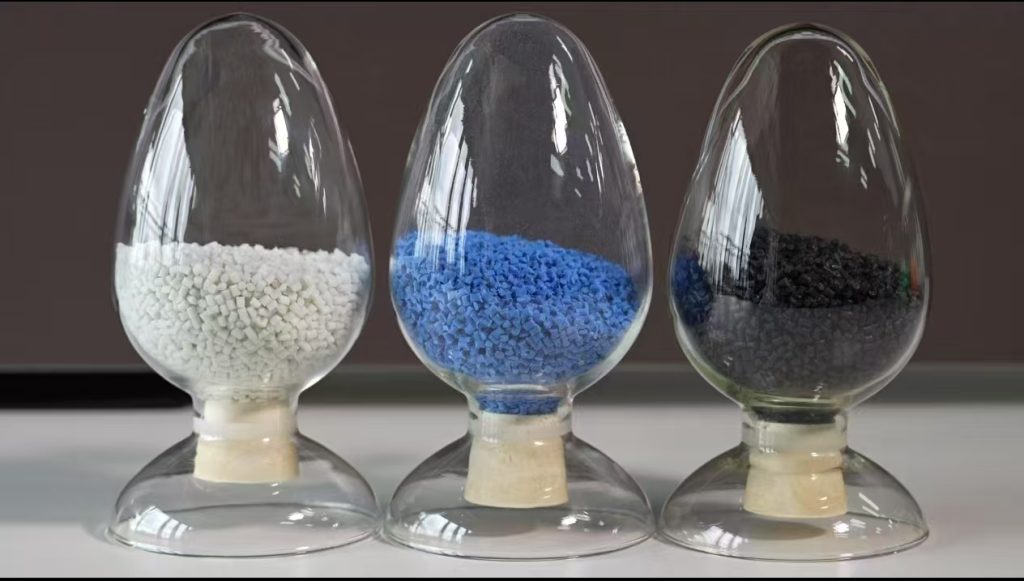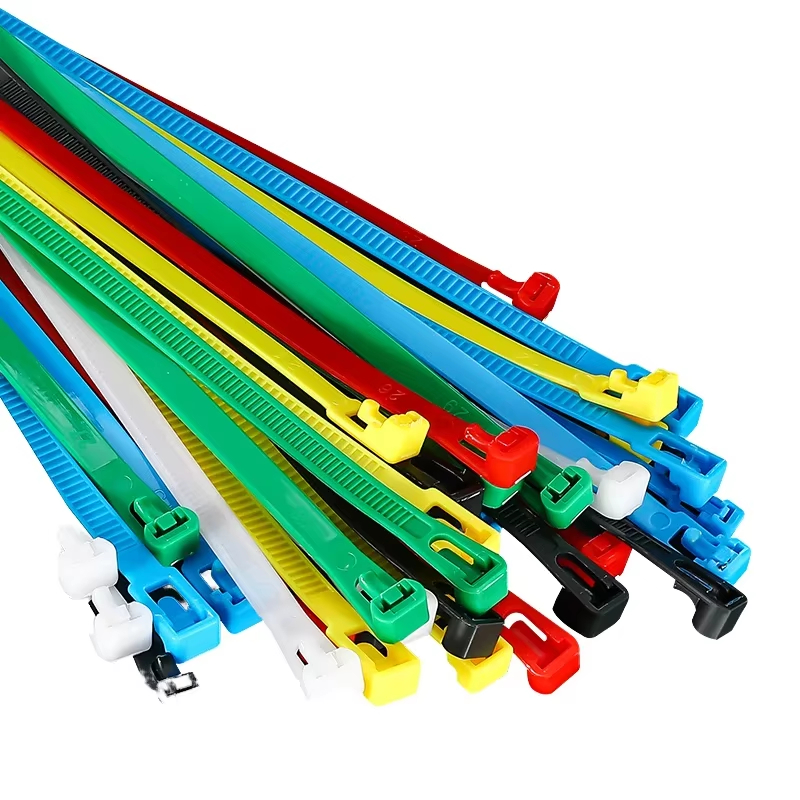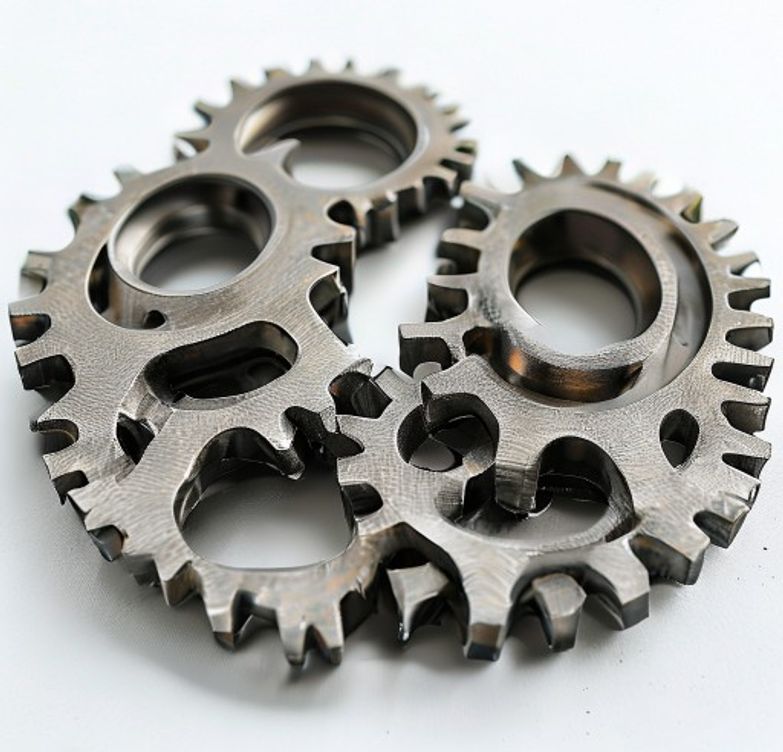
Nylon (PA) and POM (acetal) are both used for mechanical plastic parts. The useful choice depends on the exact grade, moisture condition, motion, load, temperature, mating surface and manufacturing route. This guide compares decision factors and the evidence needed to quote or approve a production part; it does not assign universal property values to whole resin families.
Nylon vs POM: Choose Around Motion, Moisture and Load
Nylon and POM acetal can both be used for gears, bushings, guides, rollers and precision plastic components, but they solve different problems. Nylon is often selected for toughness, fatigue resistance and load-bearing capability. POM is often selected for low moisture uptake, low friction, wear behavior and dimensional consistency. The correct choice depends on the mating material, motion, load, humidity, temperature, chemical exposure, tolerance and manufacturing route.
Do not compare only nominal tensile strength. A moving bushing may be limited by friction and wear, while a structural clip may be limited by fatigue and impact. A precision housing may be limited by moisture-driven dimensional change. State the failure mode your team must avoid before choosing the resin family.
| Decision factor | Nylon tendency | POM tendency | What to validate |
|---|---|---|---|
| Độ ẩm | Absorbs moisture and changes stiffness and dimensions | Lower moisture uptake and generally more stable fit | Conditioned dimensions and service humidity |
| Friction and wear | Good in suitable grades; moisture and load affect behavior | Often favorable for low-friction sliding and gears | PV load, speed, counterface, lubrication and life |
| Impact and fatigue | Often strong toughness and fatigue performance | Good fatigue behavior but can be less forgiving in impact | Notched impact, cycle life and temperature |
| Creep | Can be significant with heat and moisture | Must still be checked under continuous load | Stress, time, temperature and dimensional drift |
| Processing | Requires moisture control and grade-specific drying | Requires controlled melt history and venting | Drying, mold temperature, cycle and defect record |
Gears, Bearings and Sliding Parts
For gears and bearings, calculate load, speed, contact pressure, duty cycle, lubrication, counterface and allowable temperature. A POM gear may provide a stable tooth profile in humid service, while a nylon gear may offer toughness and quieter operation. Reinforcement, internal lubricant and fiber orientation can change wear and noise. The part should be tested in the actual mating pair, not only as a resin coupon.
For a bushing, define shaft material and finish, radial load, speed, clearance, lubrication and expected life. A material that performs well against steel may behave differently against aluminum, glass-filled polymer or a rough counterface. Include thermal expansion and moisture conditioning in the clearance calculation.
Strength, Creep and Dimensional Control
Nylon’s moisture response can be useful when toughness is important but challenging when the assembly needs a stable tolerance. POM usually offers lower moisture sensitivity, but the selected grade still needs temperature, creep and chemical validation. Glass or mineral reinforcement can change stiffness and shrinkage in either material family. A reinforced grade may solve deflection while creating anisotropy, surface change or counterface wear.
| Ứng dụng | Likely starting point | Critical validation |
|---|---|---|
| Humid precision guide | POM may be a useful starting point | Clearance after humidity conditioning and thermal cycling |
| Impact-loaded clip | Nylon may offer a useful toughness balance | Assembly cycles, impact and stress concentration |
| Low-speed bushing | Compare nylon and POM against load and counterface | Wear, friction, temperature and dimensional change |
| Injection-molded gear | Choose by noise, wear, moisture and torque | Tooth accuracy, torque, speed and life testing |

Molding, CNC Machining and Sourcing
Both nylon and POM can be injection molded or CNC machined, but the process details differ. Nylon needs moisture control before molding and may require conditioning before final inspection. POM needs a controlled thermal history, correct venting and attention to degradation risk. During CNC machining, workholding, heat, tool sharpness, stock condition and stress relief influence the final tolerance. Request the process route before accepting a material comparison as complete.
For procurement, compare grade availability, color, reinforcement, internal lubricant, regulatory needs, lot traceability and supplier change control. “POM” can describe several grades, just as “nylon” can cover PA6, PA66, PA12 and reinforced variants. A usable quotation names the grade, tolerance, inspection condition, annual volume and expected service environment.
Compare Exact Grades and Test Conditions
PA6, PA66 and POM are families, not interchangeable specifications. Before treating a material as an approved alternative, request the exact grade datasheets and compare the same test method, units, reinforcement and conditioning state. For nylon, separate dry-as-molded from conditioned data; for either family, check the relevant temperature, load duration and chemical exposure. A nominal resin-family chart cannot approve a gear, bushing or housing.
- Identify the baseline: current material grade, drawing revision, application and any approved alternatives.
- Compare like with like: tensile, impact, creep or wear data only when test method and specimen condition are stated.
- Validate the part: check conditioned dimensions, mating surfaces, duty cycle and actual service fluids on samples made by the intended process.
Technical sources: BASF Ultramid polyamide brochure explains dry versus conditioned PA test data; Celanese Hostaform POM product manual documents grade- and condition-dependent POM behavior, processing and chemical compatibility. These are third-party technical examples, not a claim that Nylon Plastic supplies those exact grades or that their values apply to an untested part.
Nylon vs POM RFQ Checklist
- Load, motion, speed, counterface, lubrication and expected life.
- Humidity, temperature, chemicals, cleaning and outdoor exposure.
- Critical tolerance, datum, clearance, surface finish and conditioning state.
- Material family, exact grade, filler, lubricant, color and approval list.
- Injection molding, CNC machining or prototype route and quantity.
- Wear, friction, torque, dimensional, leak or assembly test requirements.
Send the load, motion, environment, tolerance, process and volume with the drawing. Share those details in the existing form below. The first review can identify the material, process and part tests that still need confirmation before a grade or manufacturing scope is quoted.
Questions Buyers Ask
Is POM always better than nylon for a gear?
No. Tooth load, speed, lubrication, counterface, humidity, noise target and the exact grade can change the choice. Compare the candidate parts under the real duty cycle.
Can a POM grade replace an approved nylon grade directly?
Not from a generic comparison alone. Match the original drawing and approval requirements, review grade-specific datasheets under comparable conditions, then validate dimensions, function and required records on the proposed part.
Which information should accompany a nylon-versus-POM quotation request?
Send the drawing revision, existing or proposed grade, load and motion, temperature and moisture exposure, mating material, critical tolerance, intended process, quantity and required tests or documents. Unknown items can be identified for review.
Need a grade and part review? Use the existing form below to describe the component and attach the drawing if available.