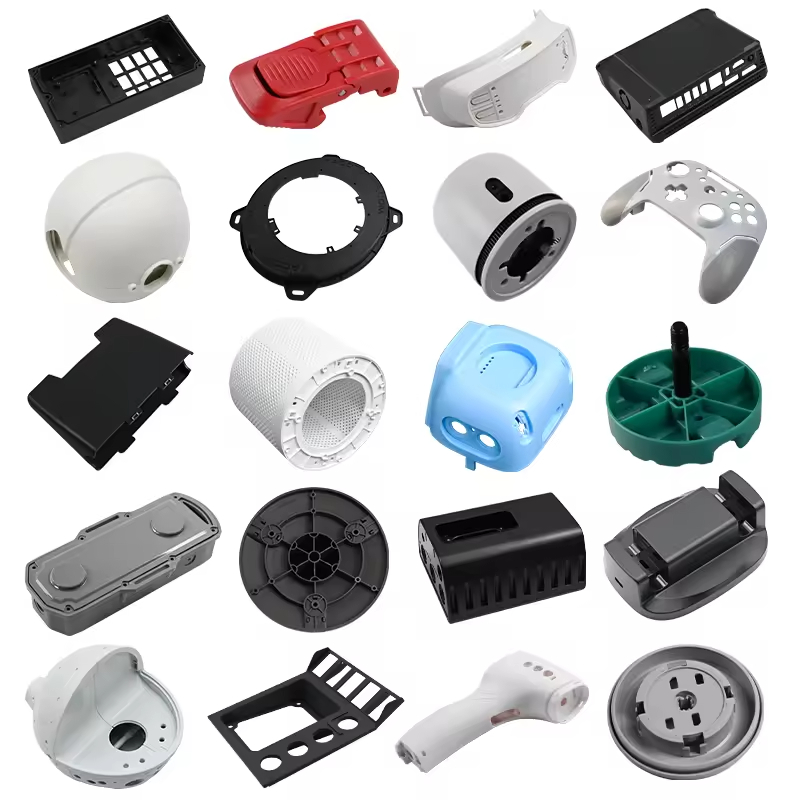
When it comes to manufacturing nylon components at scale, injection molding stands unrivaled. The process combines speed, precision, and cost-efficiency in ways that alternative manufacturing methods simply cannot match. Understanding why injection molding dominates helps you make informed decisions for your production needs.
The Core Advantages
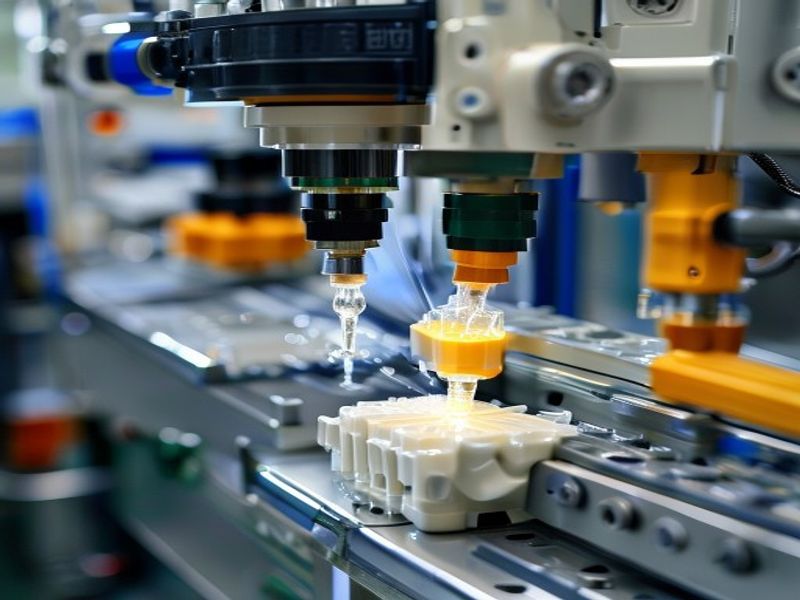
High-Volume Efficiency
Once the mold is built and validated, injection molding produces identical parts at remarkable speed. Cycle times for nylon parts typically range from 15 to 60 seconds depending on wall thickness and complexity. This throughput enables cost-effective production of thousands to millions of parts annually.
Tự do thiết kế
Injection molding creates complex geometries that would be impossible or prohibitively expensive with other methods. Undercuts, internal threads, living hinges, and intricate surface details are all achievable. For nylon specifically, the material’s toughness allows molded-in snap-fits and flexible features.
Material Properties Optimization
The injection molding process can enhance nylon’s inherent properties. Proper processing ensures optimal crystallinity for strength and stiffness. Additives—glass fiber, mineral fillers, impact modifiers—can be compounded into the material to tailor properties for specific applications.
Comparing Manufacturing Methods
| Yếu tố | Ép phun | In ấn 3D | Chế tạo CNC |
|---|---|---|---|
| Per-part cost (100k+ qty) | Lowest | Cao | Trung bình-Cao |
| Initial tooling cost | Cao | Không có | Low (s) |
| Bề mặt hoàn thiện | Tuyệt vời | Biến | Tuyệt vời |
| Material properties | Optimal | Reduced | Same as stock |
| Production speed | Very fast | Chậm | Trung bình |
| Design complexity | Cao | Very high | Số lượng có hạn |
Nylon-Specific Benefits
Crystallinity Control
Nylon is a semi-crystalline polymer. The injection molding process—with controlled cooling rates—allows optimization of crystallinity levels. Faster cooling produces lower crystallinity (tougher, more flexible), while slower cooling increases crystallinity (stiffer, more dimensionally stable). Mold temperature control enables this tuning.
Fiber Orientation
For glass-reinforced nylons, injection molding creates beneficial fiber orientation. Fibers align in the flow direction, significantly increasing strength and stiffness along that axis. Understanding this allows designers to orient parts in the mold to maximize strength in critical directions.
Chất lượng ổn định
Once process parameters are established, injection molding delivers exceptional consistency. Statistical process control can maintain critical dimensions within tight tolerances batch after batch. This repeatability is essential for automotive and medical applications where consistency is non-negotiable.
Câu hỏi thường gặp
When does Why Injection Molding is the Preferred Choice for Nylon Components make sense?
Why Injection Molding is the Preferred Choice for Nylon Components makes sense when the part volume, material choice, geometry, and repeatability needs justify mold design and tooling investment.
What design factors matter most for Why Injection Molding is the Preferred Choice for Nylon Components?
Độ dày thành, gân, phần lồi, góc nghiêng, vị trí cửa rót, độ co ngót, đường phân chia và cơ chế đẩy đều ảnh hưởng đến chất lượng chi tiết đúc.
Cần những thông tin nào trước khi sản xuất khuôn?
Nhà cung cấp cần xác nhận mô hình 3D, vật liệu, khối lượng dự kiến hàng năm, các yêu cầu về hình thức, yêu cầu về dung sai, cũng như bất kỳ yêu cầu nào liên quan đến lắp ráp hoặc kiểm tra chức năng.
What is the biggest risk in Why Injection Molding is the Preferred Choice for Nylon Components?
Rủi ro lớn nhất là phê duyệt khuôn mẫu trước khi các yếu tố như tính chất vật liệu, độ co ngót, quá trình chảy và chức năng của chi tiết được kiểm tra đầy đủ dựa trên điều kiện ứng dụng thực tế.