For engineering and production teams
Nylon Injection Molding Process Review
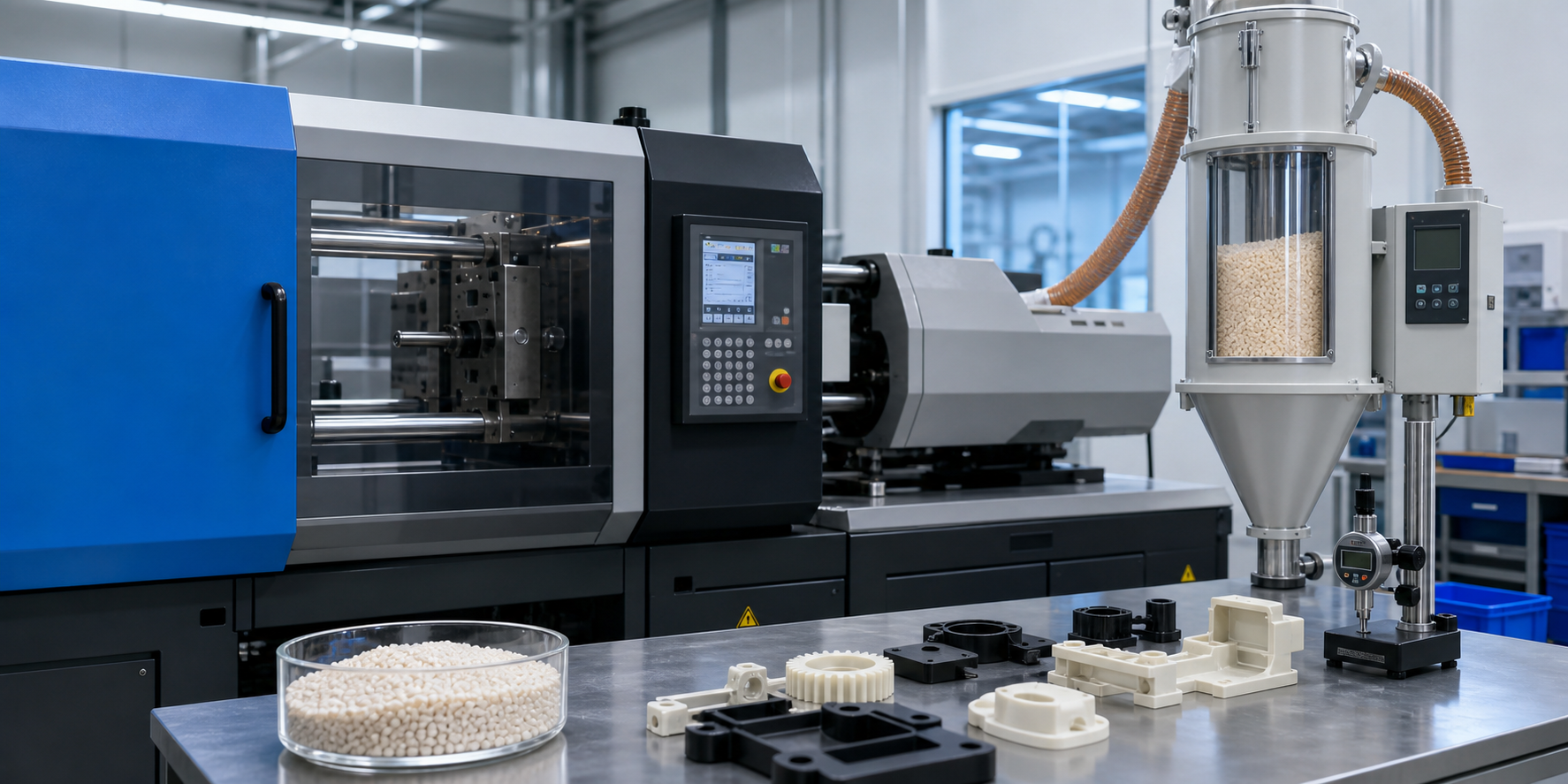
Đúc phun nylon requires coordinated control of resin moisture, melt and mold temperature, fill and pack conditions, cooling and the measurement state. The working window must be validated for the exact PA6, PA66, PA12 or reinforced grade and the actual part geometry.
- Ghi lại lượng độ ẩm đầu vào và điều kiện sấy theo từng mẻ
- Đặt các điều kiện nấu chảy, đúc khuôn, rót đầy và đóng gói thành một cửa sổ đã được xác nhận
- Kiểm tra độ cong vênh và kích thước trong điều kiện bảo quản đã thỏa thuận
Yêu cầu đánh giá quy trình đúc nylon → Xem các dịch vụ đúc ép nylon
Tổng quan về công nghệ đúc phun nylon
| Thời điểm quyết định | Processing Takeaway | Approval Check |
|---|---|---|
| Sấy khô | Critical for quality | Moisture control is a must before molding |
| Tooling heat | Stability matters | Use consistent mold and barrel conditions |
| Sự cong vênh | Common risk | Gate, wall and cooling choices matter |
| Cách sử dụng hiệu quả nhất | Functional molded nylon parts | Lock process window before volume production |
Why Nylon Injection Molding Needs Grade-Specific Control
Nylon grades are moisture-sensitive and semicrystalline, so material preparation, flow, shrinkage and conditioning can change both appearance and measured dimensions. Reinforcement, color package and part geometry can shift the usable process window again.
The main controls are:
- Moisture condition: use the resin supplier’s limit for the exact grade, record drying and protect the material during transfer.
- Fill and temperature window: confirm melt, mold, speed and pressure together; changing one value can move weld lines, flash, burn marks or packing behavior.
- Shrinkage and warpage: review gate direction, fiber orientation, wall transitions, cooling and the agreed conditioning state before approving dimensions.
A stable trial links the material lot and preparation record to the machine settings, mold configuration and measured part results. A generic temperature table alone does not approve a production process.
Các thông số xử lý chính
The ranges below are preliminary screening values for process planning. Confirm the current supplier data for the exact resin grade, reinforcement, color and machine, then validate the window on the molded part. Do not use a generic range as the final production specification.
| Tham số | PA6 | PA66 | PA12 | PA6-GF30 | PA66-GF30 |
|---|---|---|---|---|---|
| Nhiệt độ nóng chảy (°C) | 230-260 | 270-290 | 240-270 | 240-270 | 280-300 |
| Nhiệt độ khuôn (°C) | 60-80 | 80-100 | 40-60 | 80-100 | 80-110 |
| Nhiệt độ vòi phun (°C) | 230-260 | 270-290 | 240-270 | 245-275 | 285-300 |
| Vùng phía trước (°C) | 230-250 | 265-280 | 235-255 | 235-255 | 270-285 |
| Vùng giữa (°C) | 235-255 | 270-285 | 240-260 | 240-260 | 275-290 |
| Khu vực phía sau (°C) | 230-250 | 265-280 | 235-255 | 235-255 | 270-285 |
| Nhiệt độ sấy (°C) | 80-85 | 80-85 | 80-85 | 80-85 | 80-85 |
| Thời gian sấy (giờ) | 4-6 | 4-6 | 4-6 | 4-6 | 4-6 |
Các thông số về quá trình phun và áp suất
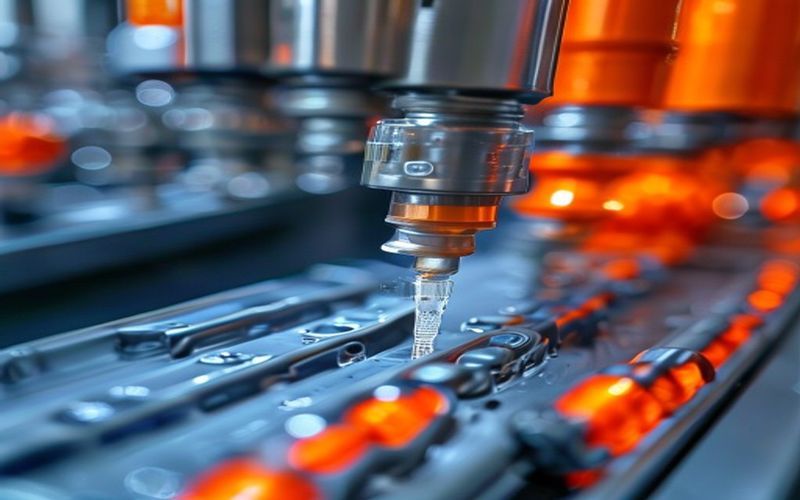
Ngoài nhiệt độ, áp suất phun và tốc độ phun cũng là những yếu tố quan trọng để đảm bảo quá trình rót đầy khuôn nylon được thực hiện đúng cách. Do nylon có độ nhớt cao nên cần áp suất cao hơn so với polypropylene, nhưng áp suất quá cao sẽ gây ra hiện tượng tràn nhựa và làm mòn khuôn.
| Tham số | PA6 | PA66 | PA6-GF30 | Ghi chú |
|---|---|---|---|---|
| Tốc độ phun | Trung bình-Cao | Trung bình-Cao | Trung bình | Đổ đầy nhanh để giảm thiểu lượng không khí bị kẹt lại |
| Áp suất phun (MPa) | 80-120 | 100-140 | 100-150 | Cao hơn đối với tường mỏng |
| Áp suất giữ (MPa) | 40-60 | 50-80 | 50-70 | Áp suất phun 60-80% |
| Áp suất ngược (MPa) | 0.3-0.5 | 0.3-0.5 | 0.5-0.8 | Giá trị thấp đối với nylon để tránh sự suy giảm do lực cắt |
| Thời gian làm mát (s/mm) | 0.8-1.0 | 0.8-1.0 | 1.0-1.2 | Các phần dày hơn cần nhiều thời gian hơn |
| Tốc độ trục vít (vòng/phút) | 50-80 | 50-80 | 30-50 | Giá thấp hơn đối với các loại bê tông cốt thép |
Các lỗi thường gặp và cách khắc phục
Việc hiểu rõ nguyên nhân gốc rễ của các khuyết tật trên sợi nylon giúp đưa ra các giải pháp có mục tiêu cụ thể thay vì chỉ dựa vào phỏng đoán:
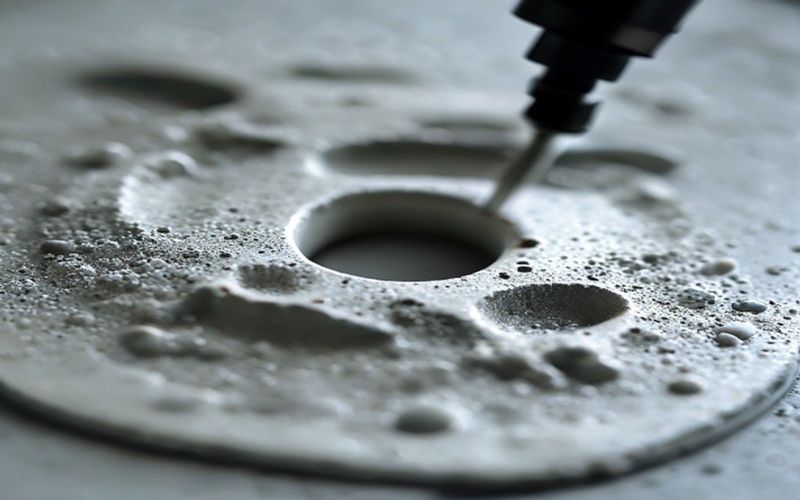
- Splay (vệt bạc): Do độ ẩm hoặc các chất gây ô nhiễm dễ bay hơi gây ra. Giải pháp: Làm khô vật liệu thật kỹ, xả khí bằng hợp chất xả khí chuyên dụng cho nylon, kiểm tra các khu vực thông gió.
- Đường hàn: Xảy ra khi hai mặt sóng chảy gặp nhau. Giải pháp: Tăng nhiệt độ vật liệu nóng chảy, tăng tốc độ phun, lắp thêm các lỗ thoát khí tại các vị trí đường hàn.
- Các cú đánh ngắn: Nguyên nhân do chiều dài dòng chảy không đủ hoặc áp suất thấp. Giải pháp: Tăng tốc độ và áp suất phun, tăng nhiệt độ vật liệu nóng chảy, thiết kế lại vị trí cửa phun.
- Biến dạng: Nguyên nhân do độ co ngót không đồng đều. Giải pháp: Tăng nhiệt độ khuôn, cân bằng độ dày thành khuôn, thêm các gân gia cố để tăng độ cứng, sử dụng hệ thống rót đối xứng.
- Sự hình thành bọt: Indicates moisture, air entrapment, or material degradation. Solution: Verify drying, lower back pressure, check for insufficient venting.
Cycle Time Optimization
Nylon cycle time is dominated by cooling requirements. Since nylon molds at elevated temperatures (60-110°C vs 20-40°C for PP), significantly more cooling time is needed. Optimizing cooling is the most effective way to reduce cycle time for nylon parts.

- Mold cooling design: Baffle and bubbler cooling channels positioned 1.5x the cavity depth from the parting surface
- Cooling water temperature: Use chilled water (8-15°C) for large or thick nylon parts to reduce cycle time by 15-30%
- Ejection temperature: Parts should reach 60-80°C at ejection to minimize warpage
- Hot runner optimization: Nylon requires precise hot runner temperature control (within ±2°C) to prevent material degradation in the runner
Material Changeover and Purging
When switching from nylon to another material (or vice versa), proper purging prevents contamination and equipment damage. Nylon leaves significant residue in the barrel due to its adhesive nature.
- Purging from nylon: Use PA-specific purge compound or polypropylene as a purging agent at processing temperatures 20°C above nylon melt temperature
- Purging to nylon: Ensure barrel is completely clean of previous material; purge with nylon-compatible intermediate material
- Sự thay đổi màu sắc: Perform two full barrel purges with natural material before adding color concentrate
For a project-specific review, share the resin grade, part drawing, defect photos and the current drying and process record. Nylon Plastic can compare material, DFM and trial requirements before quotation.
Moisture and Shrinkage Checks Before Process Approval
A stable machine setting is not enough to approve a molded nylon part. The trial record should connect incoming moisture, flow direction, shrinkage and conditioning state to the drawing dimensions. Otherwise, a parameter change may hide the real source of splay, warp or dimensional drift.
| Check | PA6 | PA66 | Reinforced nylon | Approval evidence |
|---|---|---|---|---|
| Pre-molding moisture target | Confirm against the resin supplier; the merged process reference used 0.20% maximum | Confirm against the resin supplier; the merged process reference used 0.15% maximum | Confirm the exact GF/CF grade; the merged reference used 0.12% maximum | Moisture reading, dryer set point, drying time and sealed-transfer record |
| Directional shrinkage | Review flow and cross-flow dimensions separately | Review flow and cross-flow dimensions separately | Expect fiber orientation to increase directional behavior | Cavity-specific measurements with flow direction marked on the report |
| Conditioning state | Record dry-as-molded versus conditioned measurement | Record dry-as-molded versus conditioned measurement | Use the same conditioning definition for every trial | Measurement time, temperature, humidity and acceptance condition |
| Corrective action | Separate material preparation, fill/pack, cooling and tooling changes instead of adjusting several variables at once | Controlled trial sheet showing one change and one observed result per step | ||
These values are starting references, not universal specifications. Resin supplier data, reinforcement level, color package, recycled content, wall thickness and mold design can change the allowable moisture and shrinkage window. Project teams should require the molder to state the tested grade and conditioning method in the sample-approval record.
Những loại nhựa nylon nào có thể được tùy chỉnh cho dự án này?
Nylon Plastic kết hợp việc điều chỉnh vật liệu với thiết kế sản phẩm, thiết kế và chế tạo khuôn, ép phun, gia công CNC và in 3D. Phạm vi ứng dụng phù hợp được lựa chọn dựa trên bản vẽ và điều kiện sử dụng, chứ không chỉ dựa trên tên gọi chung của vật liệu.
| Khu vực tùy chỉnh | Các tùy chọn cần xem xét | Thông tin cần thiết |
|---|---|---|
| Material preparation | Grade review, drying and sealed material-handling plan | Resin grade, supplier data and incoming moisture condition |
| Tool and DFM | Gate, vent, cooling, draft, ejection and shrinkage review | CAD, drawing, cosmetic zones and critical dimensions |
| Process development | Melt, mold, fill, pack and cycle-window validation | Defect history, machine constraints and sampling quantity |
| Production support | Molding, inspection, documentation and packaging planning | Annual volume, acceptance criteria and delivery requirements |
Danh sách kiểm tra yêu cầu báo giá (RFQ)
- Exact nylon grade, reinforcement and color
- CAD and drawing with critical and cosmetic requirements
- Service temperature, humidity, load and chemical exposure
- Existing defects, sample parts or current process data if available
- Sampling quantity, annual volume and required inspection documents
Việc hỗ trợ DFM, các thỏa thuận NDA, tài liệu về vật liệu hoặc thành phần cũng như các yêu cầu kiểm tra có thể được thảo luận trong quá trình báo giá. Tính khả thi phụ thuộc vào phạm vi dự án và kế hoạch chất lượng đã thỏa thuận.
Từ giai đoạn đánh giá đến giai đoạn sản xuất
- Định nghĩa: chia sẻ bản vẽ, ứng dụng, môi trường và khối lượng.
- Đánh giá: so sánh các rủi ro liên quan đến vật liệu, quy trình, thiết kế hướng sản xuất (DFM) và xác nhận.
- Xác thực: sử dụng mẫu thử, in 3D, gia công CNC hoặc khuôn mẫu thử khi cần thiết.
- Sản phẩm: chỉ được phép bàn giao khuôn mẫu hoặc đưa vào sản xuất sau khi hoàn tất các bước kiểm tra đã thỏa thuận.
Câu hỏi thường gặp
Những loại nylon nào có thể được xem xét để sử dụng trong ép phun?
Nylon Plastic chuyên về việc lựa chọn vật liệu nhựa kỹ thuật và gia công ép phun. Bài đánh giá này có thể so sánh các loại PA6, PA66, PA12 và các phiên bản gia cường khi chưa xác định được loại cụ thể.
Có thể thiết lập khoảng thời gian sấy và tạo hình cho một chi tiết cụ thể không?
Đúng vậy, nhưng phải dựa trên loại nhựa cụ thể, độ dày thành sản phẩm, vị trí cửa rót, máy móc và các tiêu chuẩn chất lượng. Các mức nhiệt độ chung chỉ là điểm khởi đầu, chứ không phải là khoảng nhiệt độ sản xuất đã được xác nhận.
Một cuộc đánh giá DFM cho quy trình đúc nylon bao gồm những nội dung nào?
Việc rà soát có thể bao gồm các khía cạnh như tính chất vật liệu, các điểm chuyển tiếp thành khuôn, các gân và chốt, độ nghiêng khuôn, rủi ro liên quan đến cửa rót và đường hàn, quá trình làm mát, quá trình đẩy sản phẩm ra khỏi khuôn, co ngót, biến dạng cong vênh và điều kiện kiểm tra.
Nhựa nylon có thể dùng để chế tạo các mẫu thử trước khi đúc hàng loạt không?
Trang web giới thiệu các dịch vụ về thiết kế sản phẩm, in 3D, gia công CNC, chế tạo khuôn và ép phun. Trình tự thực hiện phù hợp sẽ phụ thuộc vào việc đội ngũ có cần bản kiểm chứng hình học, mẫu thử chức năng hay các chi tiết đúc có chất lượng tương đương sản xuất hay không.
Bài đọc liên quan
- Hướng dẫn đúc phun nylon: Thông số gia công, các phương pháp hay nhất và khắc phục sự cố
- Hiểu rõ các loại khuôn dùng trong ép phun nylon
Nguồn thông tin kỹ thuật và việc xác minh
Sử dụng dữ liệu của nhà cung cấp để xác minh chính xác cấp chất lượng và điều kiện thử nghiệm. Quyết định phê duyệt cuối cùng cần phản ánh quy trình sản xuất, hình dạng chi tiết và môi trường sử dụng.
- BASF Ultramid nylon technical and processing downloads
- Verified PA6 and PA66 grade datasheet library
- PA6 properties and grade-selection guide
- PA66 properties and grade-selection guide
Request a Nylon Injection Molding Review
Send the part drawing or CAD, exact resin grade where known, critical dimensions, service conditions, current defects, sample quantity, annual volume and required inspection records. The review can cover material choice, DFM, tooling and the trial plan before quotation.
A useful nylon injection molding review connects the grade, dryer control, gate and cooling design, dimensional condition and production requirement. Review the nylon injection molding service or upload the project files below.