When a plastic part cracks under impact or deforms unexpectedly during assembly, the root cause often traces back to a material property engineers overlook until it’s too late: ductility. Understanding how a material behaves under stress—not just at its breaking point, but before it—makes the difference between a part that survives real-world use and one that fails in the field.
This guide explains what ductility means for plastics, how it compares across common engineering materials, how to measure it, and how to apply that knowledge in part design and manufacturing.
What Is Ductility?
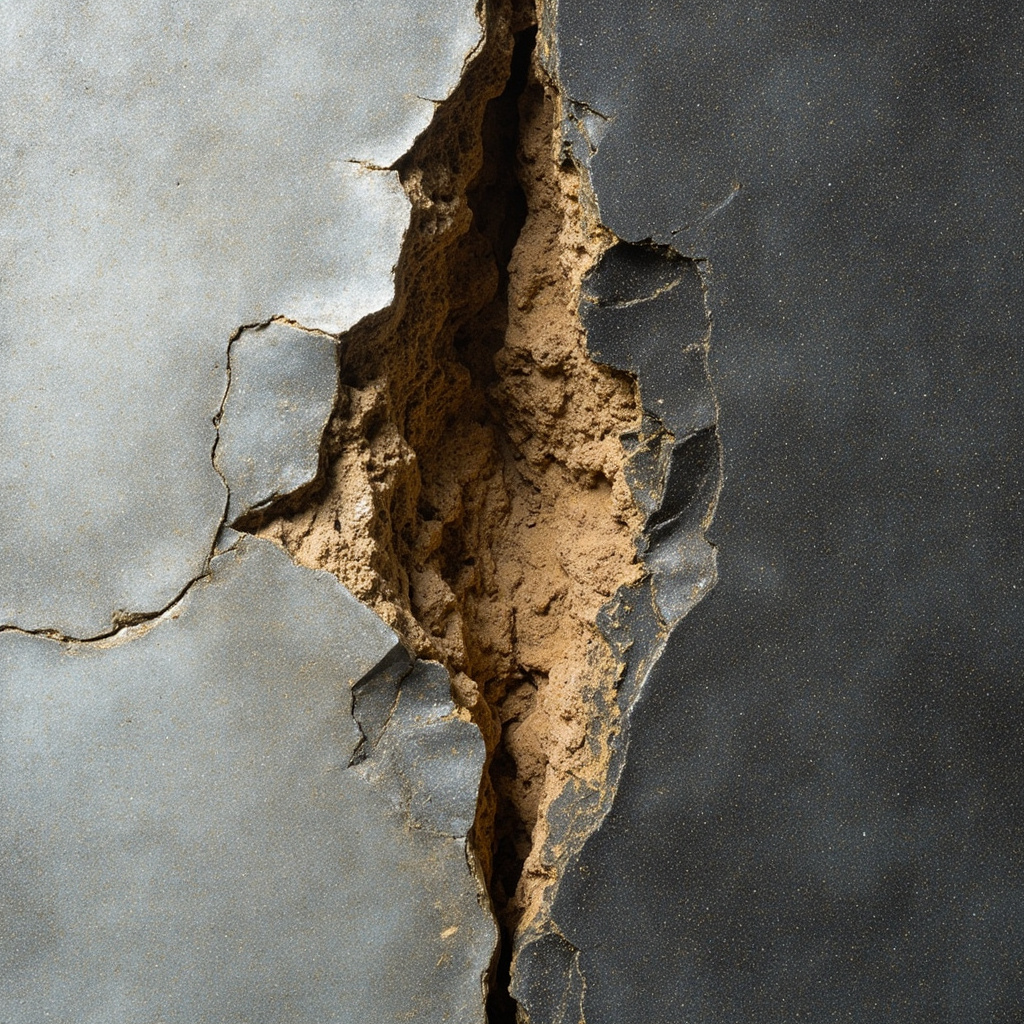
Ductility is a material’s ability to deform under tensile stress before fracturing. A highly ductile material can be stretched into a wire or bent significantly without breaking. A brittle material fractures with little to no plastic deformation—often without warning.
Think of it this way: bend a piece of chalk and it snaps. Bend a copper wire and it deforms but stays intact. Plastics fall along a spectrum between these extremes depending on their chemistry, grade, temperature, and strain rate.
In plastic parts, ductility matters most when:
- Parts undergo impact loading during use
- Assembly requires press-fitting, snap-fits, or bending
- Parts must absorb energy without cracking
- Thermal expansion or contraction creates internal stress
How Ductility Is Measured
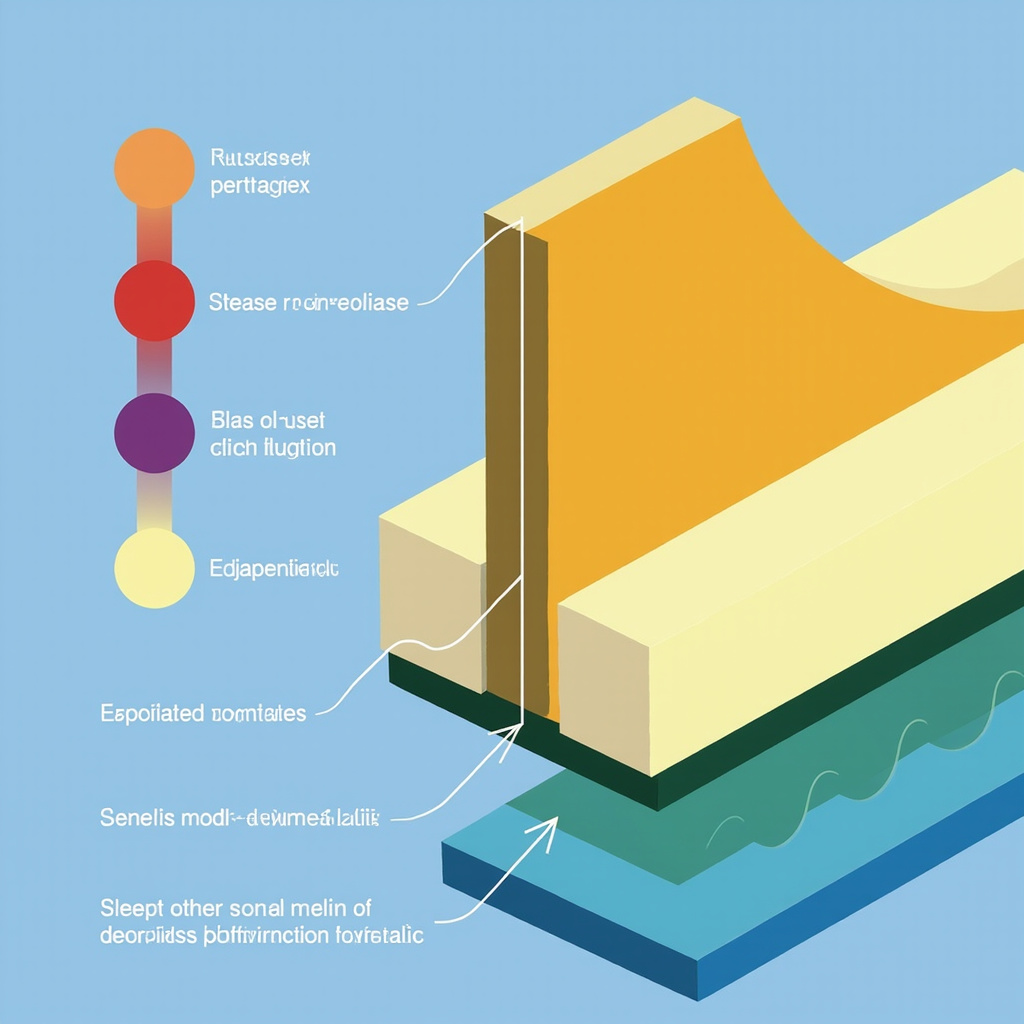
Tensile Elongation at Break
The most common metric. Expressed as a percentage, it measures how much a test specimen stretches before fracturing under tensile load. Higher elongation percentage = more ductile material.
- Brittle plastics: elongation at break 1-5% (PS, PMMA, some filled polymers)
- Moderate ductility: 5-50% (ABS, PC, PA6)
- Highly ductile: 50-400%+ (HDPE, LDPE, TPU, some flexible nylons)
Yield Strength vs. Tensile Strength
Ductile materials have a distinct yield point—the stress level at which permanent (plastic) deformation begins. Before this point, deformation is elastic: the part returns to its original shape when load is removed. After the yield point, deformation is permanent.
Brittle materials have no yield point. They deform elastically up to the fracture point, then break without warning.
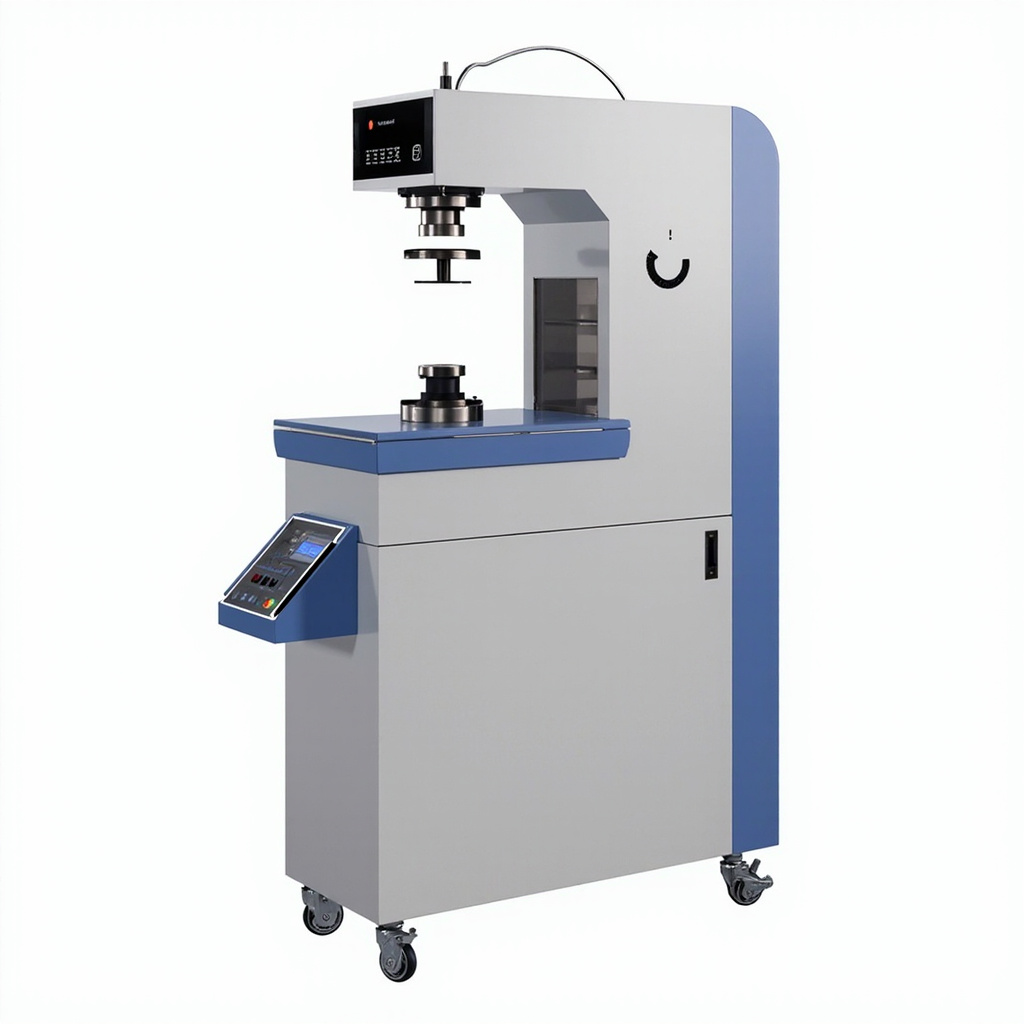
Notched Impact Resistance (Izod/Charpy)
Impact tests measure how much energy a material absor
bs when struck. A notched specimen tests the material’s resistance to crack propagation—a more realistic scenario for real parts that almost always have stress concentrations from gates, walls, or geometry changes.
Ductility Comparison Across Engineering Plastics
| Chất liệu | Độ giãn dài khi đứt | Impact (Notched Izod) | Yield Behavior |
|---|---|---|---|
| HDPE | 100-1000% | 70-150 J/m | Highly ductile, cold drawing |
| LDPE | 200-600% | 50–100 J/m | Very ductile, rubbery feel |
| TPU (Shore 85A) | 300-600% | No break (flexible) | Elastic recovery, no yield |
| Nylon 6 (PA6) | 50-200% | 40-150 J/m | Ductile, absorbs impact |
| ABS | 10-50% | 200–400 J/m | Moderately ductile |
| Polycarbonate (PC) | 60-120% | 600-900 J/m | Ductile, high impact |
| POM (Acetal) | 25-75% | 50-80 J/m | Moderate, notch-sensitive |
| PMMA (Acrylic) | 2-5% | 15-30 J/m | Brittle, cracks easily |
| PS (Polystyrene) | 1-3% |
 “padding:12px;border:1px solid #ddd;”>10-20 J/m |
Very brittle |
| Glass-Fiber-Reinforced Nylon | 3-10% | 60-120 J/m | Less ductile than unfilled |
Factors That Affect Ductility in Plastics
Nhiệt độ
Most plastics lose ductility and become more brittle as temperature drops below their glass transition temperature (Tg). Nylon, for example, absorbs moisture which acts as a plasticizer and maintains ductility at lower temperatures—but if bone-dry, it becomes quite brittle below 0 degrees C.
Hàm lượng độ ẩm
Moisture acts as a plasticizer for hygroscopic materials like nylon and PC. Bone-dry nylon is brittle; properly conditioned nylon is ductile and impact-resistant. This has significant implications for storage, processing, and end-use environment.
Strain Rate
Plastics behave differently under slow loading versus sudden impact. A material that appears ductile under quasi-static loading may fracture brittlely under high-speed impact. This is why impact testing matters—it’s not the same as tensile testing.
Additives and Fillers
Glass or carbon fiber reinforcement increases stiffness and strength but reduces ductility. Impact modifiers (like the butadiene in ABS) specifically enhance ductility and impact resistance without sacrificing processability.
Notch and Part Geometry
Sharp corners, sudden wall thickness changes, gate locations, and weld lines all create stress concentrations that reduce effective ductility. Proper radius transitions and uniform wall design maximize a part’s ability to deform rather than crack.
Designing for Ductility: Practical Guidelines
- Use generous fillet radii: Internal corners should have a radius at least 0.5x wall thickness to reduce stress concentration
- Avoid sharp notches in critical sections: Gate tabs, ejector pin locations, and parting line flashes are stress concentrators
- Match wall thickness: Sudden transitions cause weld lines and stress concentrations
- Consider operating temperature range: If parts will see sub-zero temperatures, test at those conditions
- Account for aging: UV exposure, thermal aging, and chemical exposure can embrittle plastics over time
How We Use Ductility Knowledge in Manufacturing
- Cho Gia công CNC: Ductile materials like Nylon and HDPE require different cutting parameters than brittle ones like acrylic—we adjust feed rates and tool geometry accordingly
- Cho ép phun: Ductile materials can tolerate more ejection draft and less draft angle before scratching; we optimize mold design based on material behavior
- Cho lựa chọn vật liệu: We help match ductility requirements to process constraints—if you need a ductile snap-fit arm, we specify the right grade and wall thickness
Câu hỏi thường gặp
When is Ductility in Plastics: What It Means for Manufacturing and Part Design a good option?
Ductility in Plastics: What It Means for Manufacturing and Part Design is a good option when fast iteration, complex geometry, low tooling cost, or low-volume production is more important than molded-part unit cost.
What should be checked before choosing Ductility in Plastics: What It Means for Manufacturing and Part Design?
Kiểm tra kích thước chi tiết, tính chất vật liệu, độ nhám bề mặt, dung sai kích thước, mức độ tiếp xúc với nhiệt, hướng tải trọng và xem có cần xử lý sau gia công hay không.
How does Ductility in Plastics: What It Means for Manufacturing and Part Design compare with CNC machining?
In 3D có thể tạo ra các hình dạng phức tạp một cách nhanh chóng, trong khi gia công CNC thường mang lại độ bền cao hơn cho các bề mặt chính xác, dung sai chặt chẽ hơn và sử dụng vật liệu đạt tiêu chuẩn sản xuất.
What affects the cost of Ductility in Plastics: What It Means for Manufacturing and Part Design?
Chi phí phụ thuộc vào vật liệu, thể tích in, thời gian in, độ dày lớp, việc tháo khung đỡ, hoàn thiện, kiểm tra và số lượng chi tiết trong mô hình.