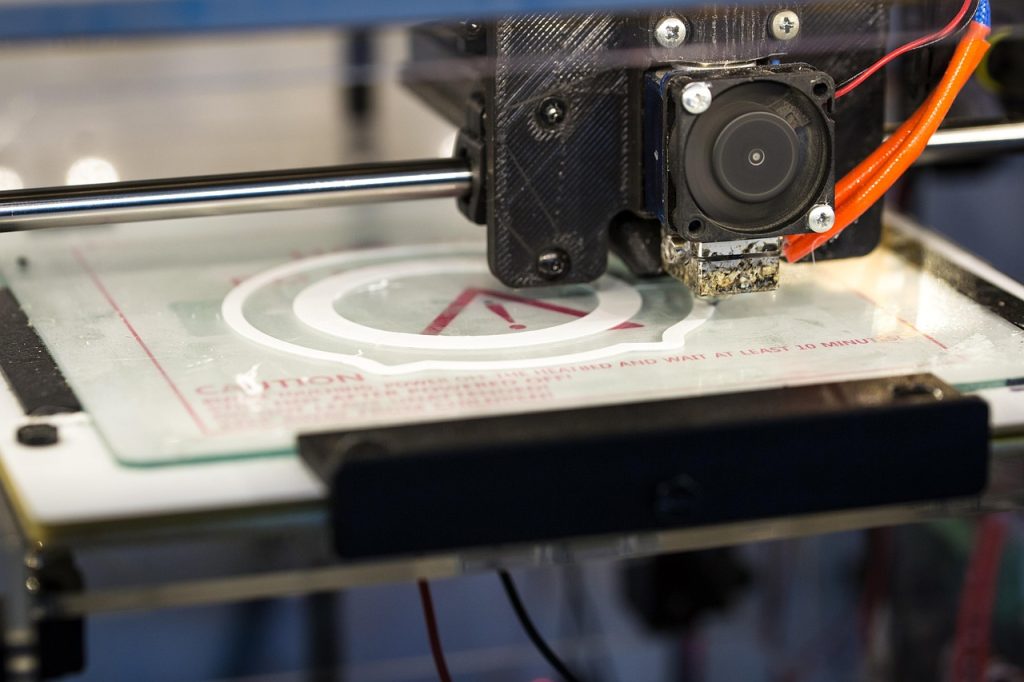
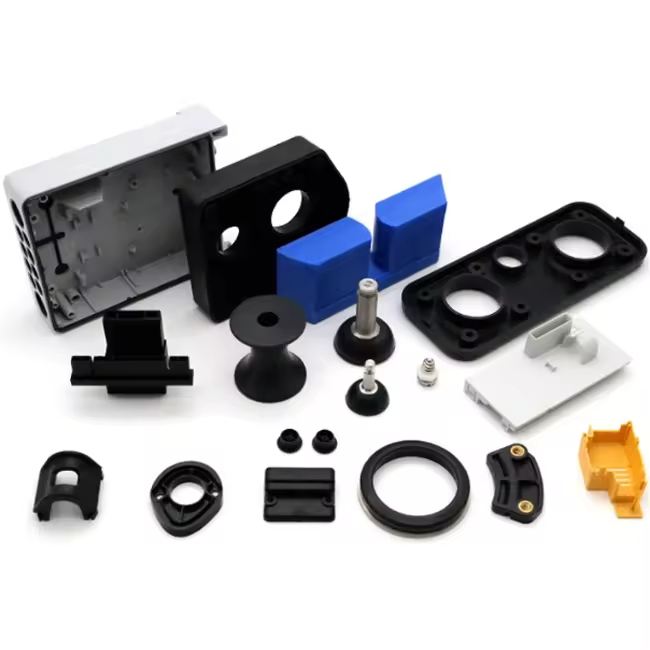
Công nghệ Tổng hợp Ánh sáng Kỹ thuật số (DLS) đại diện cho công nghệ tiên tiến nhất trong lĩnh vực in 3D bằng phương pháp quang trùng hợp trong bể, mang lại chất lượng bề mặt và độ phân giải vượt trội cho các chi tiết nhựa hiệu suất cao. Tại NylonPlastic, dịch vụ DLS của chúng tôi cung cấp các linh kiện chính xác với bề mặt mịn màng, dung sai chặt chẽ và thời gian hoàn thành nhanh chóng — lý tưởng cho các mẫu thử chức năng, chi tiết sử dụng cuối cùng và các lô sản xuất bằng nhựa kỹ thuật.
Digital Light Synthesis (DLS) là gì?
DLS là quy trình quang trùng hợp sử dụng máy chiếu ánh sáng kỹ thuật số để làm đông cứng nhựa lỏng từng lớp một. Khác với công nghệ SLA truyền thống sử dụng tia laser để vẽ từng lớp, DLS chiếu toàn bộ mặt cắt ngang cùng một lúc, giúp giảm đáng kể thời gian in mà vẫn đảm bảo độ chi tiết vượt trội. Quá trình này diễn ra trong bể nhựa quang trùng hợp, nơi nguồn sáng làm đông cứng vật liệu theo dữ liệu mô hình 3D.
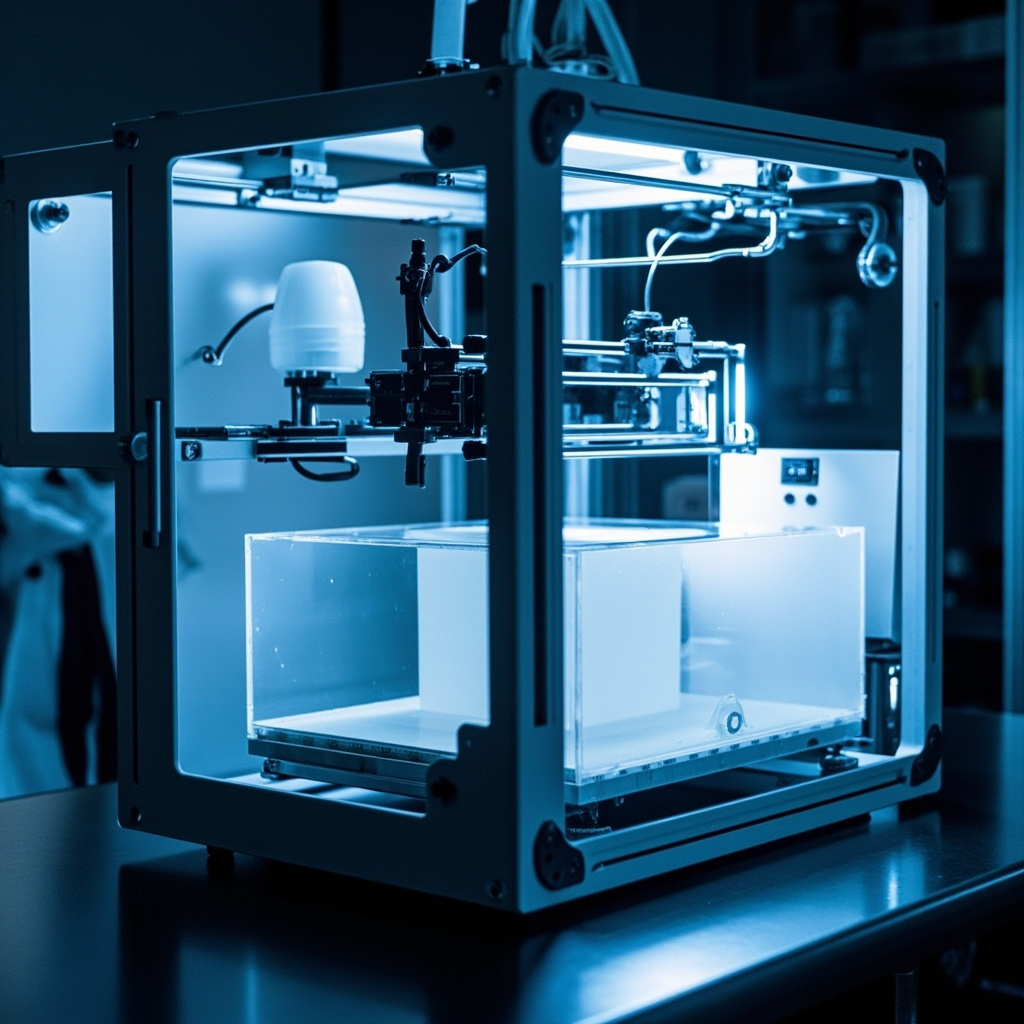
Cách thức hoạt động của DLS: Từng bước một
Quy trình DLS tuân theo một trình tự chính xác, cho phép sản xuất các chi tiết phức tạp với tốc độ cao. Đầu tiên, một lớp mỏng nhựa photopolymer lỏng được trải đều trên bệ in. Sau đó, máy chiếu ánh sáng kỹ thuật số chiếu sáng toàn bộ mặt cắt ngang của lớp hiện tại, khiến nhựa quang hóa và đông cứng lại. Bàn in di chuyển lên trên, và một lớp nhựa mới chảy vào bên dưới lớp trước đó. Chu trình này lặp lại cho đến khi chi tiết hoàn chỉnh được tạo thành.
Các thông số quy trình chính
Chất lượng chi tiết DLS phụ thuộc vào một số thông số quan trọng cần được kiểm soát chính xác. Cường độ ánh sáng và thời gian phơi sáng quyết định mức độ đóng rắn và các tính chất cơ học của chi tiết thành phẩm. Độ dày lớp, thường dao động từ 25 đến 100 micron, ảnh hưởng trực tiếp đến độ nhẵn bề mặt và tốc độ in. Nhiệt độ nhựa cũng đóng vai trò quan trọng, vì sự thay đổi độ nhớt có thể ảnh hưởng đến khả năng chảy và tự san phẳng của nhựa.
| Tham số | Phạm vi điển hình | Tác động đến chất lượng |
|---|---|---|
| Độ dày lớp | 25 – 100 micron | Các lớp mỏng hơn = bề mặt mịn hơn, thời gian in lâu hơn |
| Cường độ ánh sáng | 3 – 8 mW/cm² | Ảnh hưởng đến độ sâu thấm và độ bền cơ học |
| Tốc độ xây dựng | Tối đa 1.000 mm/giờ | Nhanh hơn công nghệ SLA đối với các chi tiết có kích thước lớn |
| Độ phân giải XY | 25 – 75 micron | Xác định độ chính xác của chi tiết bề mặt |
| Thể tích xây dựng | Tối đa 300 × 200 × 400 mm | Tùy thuộc vào mẫu hệ thống DLS |
Vật liệu DLS: Nhựa kỹ thuật
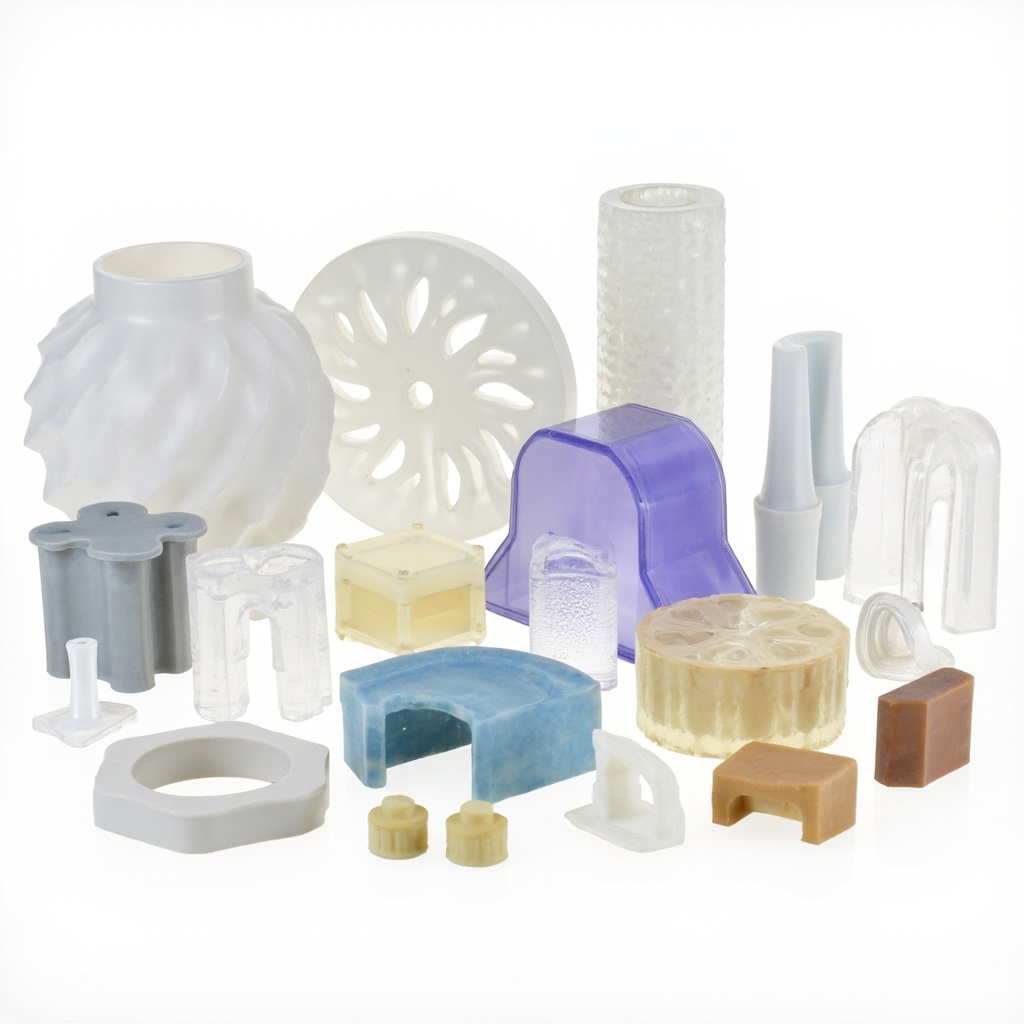
Công nghệ DLS chỉ hoạt động với các loại nhựa quang trùng hợp, mỗi loại được pha chế để đáp ứng các yêu cầu hiệu suất cụ thể. Các loại nhựa trong suốt tiêu chuẩn mang lại độ trong suốt quang học cho các chi tiết trong suốt. Các loại nhựa kỹ thuật cung cấp các tính chất cơ học được cải thiện, bao gồm khả năng chống va đập cao hơn, khả năng chịu nhiệt và độ cứng cao hơn. Các loại nhựa dẻo mô phỏng các vật liệu giống cao su để sản xuất gioăng, miếng đệm và các chi tiết đúc phủ.
Các loại nhựa DLS hiện có
Tại NylonPlastic, chúng tôi cung cấp dòng sản phẩm nhựa đa dạng tương thích với công nghệ DLS nhằm đáp ứng các yêu cầu ứng dụng đa dạng. Loại nhựa trong suốt tiêu chuẩn của chúng tôi mang lại độ trong suốt và bề mặt hoàn thiện xuất sắc cho các mẫu thử trực quan và linh kiện quang học. Các loại nhựa chịu nhiệt có khả năng chịu tải nhiệt lên đến 238°C (HDT), phù hợp cho các thử nghiệm với luồng khí nóng và dòng chất lỏng. Các loại nhựa dẻo có độ cứng Shore A từ 50 đến 90 cho phép sản xuất các linh kiện đàn hồi mà không cần đầu tư vào khuôn mẫu.
DLS so với các công nghệ in 3D khác
Khi lựa chọn quy trình in 3D, việc nắm rõ sự khác biệt giữa công nghệ DLS và các công nghệ thay thế sẽ giúp tối ưu hóa chất lượng chi tiết và hiệu quả chi phí. So với các phương pháp hợp nhất trên giường bột, công nghệ DLS mang lại những ưu điểm đáng kể về độ nhẵn bề mặt và tốc độ in, đồng thời cung cấp các tính chất cơ học đẳng hướng tốt hơn so với phương pháp mô hình hóa bằng đắp lớp (FDM).
| Công nghệ | Chất lượng bề mặt | Độ bền cơ học | Tốc độ xây dựng | Phạm vi vật liệu |
|---|---|---|---|---|
| DLS | Tuyệt vời | Cao (không đồng nhất) | Nhanh | Chỉ dành cho chất quang trùng hợp |
| SLA | Tuyệt vời | Trung bình (không đồng nhất theo hướng) | Trung bình | Chỉ dành cho chất quang trùng hợp |
| SLS (Nylon) | Tốt (hình ảnh hơi nhiễu) | Cao (đồng nhất) | Trung bình | Bột nylon |
| MJF | Tốt (bóng mờ) | Cao (đồng nhất) | Nhanh | PA12, PA11 |
| FDM | Công bằng (đường phân lớp) | Trung bình (không đồng nhất theo hướng) | Chậm đến trung bình | Nhựa nhiệt dẻo |
Các ứng dụng của công nghệ in 3D DLS
Công nghệ DLS được ứng dụng rộng rãi trong nhiều ngành công nghiệp, nơi chất lượng bề mặt và độ chính xác là yếu tố then chốt. Ngành nha khoa sử dụng công nghệ DLS để sản xuất các mô hình mão răng, khuôn hướng dẫn phẫu thuật và khay chỉnh nha, nhờ vào bề mặt nhẵn mịn giúp giảm thiểu sự bám dính của vi khuẩn. Ngành sản xuất máy trợ thính chế tạo vỏ máy theo đơn đặt hàng với hình học phức tạp trực tiếp từ dữ liệu quét kỹ thuật số. Các nhà sản xuất thiết bị điện tử tiêu dùng chế tạo vỏ trong suốt, ống dẫn sáng và các linh kiện quang học với dung sai kích thước rất chặt chẽ.
Các trường hợp sử dụng lý tưởng cho DLS
DLS đặc biệt phù hợp với các ứng dụng mà chất lượng bề mặt không thể bị ảnh hưởng. Các linh kiện quang học đòi hỏi độ trong suốt và khả năng truyền ánh sáng sẽ được hưởng lợi từ các chi tiết mịn màng, trong suốt do công nghệ DLS tạo ra. Các mẫu thử chức năng phải trải qua quá trình kiểm tra độ khớp nối cần đến độ chính xác mà DLS mang lại, từ đó giảm thiểu nhu cầu gia công thứ cấp. Việc sản xuất các lô nhỏ các chi tiết phức tạp trở nên khả thi về mặt kinh tế mà không phải chịu chi phí khuôn ép phun khi áp dụng công nghệ DLS.

Quy trình xử lý sau gia công cho các chi tiết DLS
Quá trình xử lý sau in giúp biến các chi tiết DLS sau khi in thành các bộ phận hoàn thiện, sẵn sàng đưa vào sử dụng. Bước xử lý sau in chính là loại bỏ nhựa chưa đông cứng khỏi bề mặt chi tiết bằng cách rửa với cồn isopropyl (IPA) hoặc dung môi tương tự. Bước đóng rắn UV sau in đảm bảo quá trình trùng hợp hoàn toàn và đạt được các tính chất cơ học tối ưu. Tùy thuộc vào yêu cầu về bề mặt, có thể cần phải loại bỏ khung đỡ, chà nhám và đánh bóng.
Các bước xử lý sau
Sau khi in, các chi tiết sẽ trải qua quy trình làm sạch kỹ lưỡng để loại bỏ hoàn toàn các tàn dư nhựa chưa đóng rắn khỏi các kênh bên trong và các chi tiết tinh xảo. Các phương pháp làm sạch bao gồm rửa thủ công, khuấy bằng sóng siêu âm hoặc sử dụng máy rửa và đóng rắn chuyên dụng. Buồng đóng rắn sẽ chiếu thêm tia UV để đạt được các tính chất vật liệu mục tiêu, điều này đặc biệt quan trọng đối với các chi tiết yêu cầu khả năng chịu nhiệt hoặc độ bền kết cấu. Các tùy chọn hoàn thiện bề mặt đa dạng, từ giữ nguyên trạng thái sau khi in với can thiệp tối thiểu đến đánh bóng tinh xảo dành cho các ứng dụng quang học.
Tại sao nên chọn NylonPlastic cho các dịch vụ DLS?
Câu hỏi thường gặp
Khi nào thì dịch vụ in 3D bằng công nghệ Digital Light Synthesis (DLS) là một lựa chọn phù hợp?
Dịch vụ in 3D bằng công nghệ Digital Light Synthesis (DLS) là một lựa chọn phù hợp khi các yếu tố như quá trình lặp lại nhanh, hình học phức tạp, chi phí khuôn mẫu thấp hoặc sản xuất số lượng nhỏ được ưu tiên hơn so với chi phí đơn vị của sản phẩm đúc.
Cần kiểm tra những yếu tố nào trước khi lựa chọn dịch vụ in 3D bằng công nghệ Digital Light Synthesis (DLS)?
Kiểm tra kích thước chi tiết, tính chất vật liệu, độ nhám bề mặt, dung sai kích thước, mức độ tiếp xúc với nhiệt, hướng tải trọng và xem có cần xử lý sau gia công hay không.
Dịch vụ in 3D bằng công nghệ Digital Light Synthesis (DLS) có điểm gì khác biệt so với gia công CNC?
In 3D có thể tạo ra các hình dạng phức tạp một cách nhanh chóng, trong khi gia công CNC thường mang lại độ bền cao hơn cho các bề mặt chính xác, dung sai chặt chẽ hơn và sử dụng vật liệu đạt tiêu chuẩn sản xuất.
Những yếu tố nào ảnh hưởng đến chi phí của dịch vụ in 3D bằng công nghệ Digital Light Synthesis (DLS)?
Chi phí phụ thuộc vào vật liệu, thể tích in, thời gian in, độ dày lớp, việc tháo khung đỡ, hoàn thiện, kiểm tra và số lượng chi tiết trong mô hình.