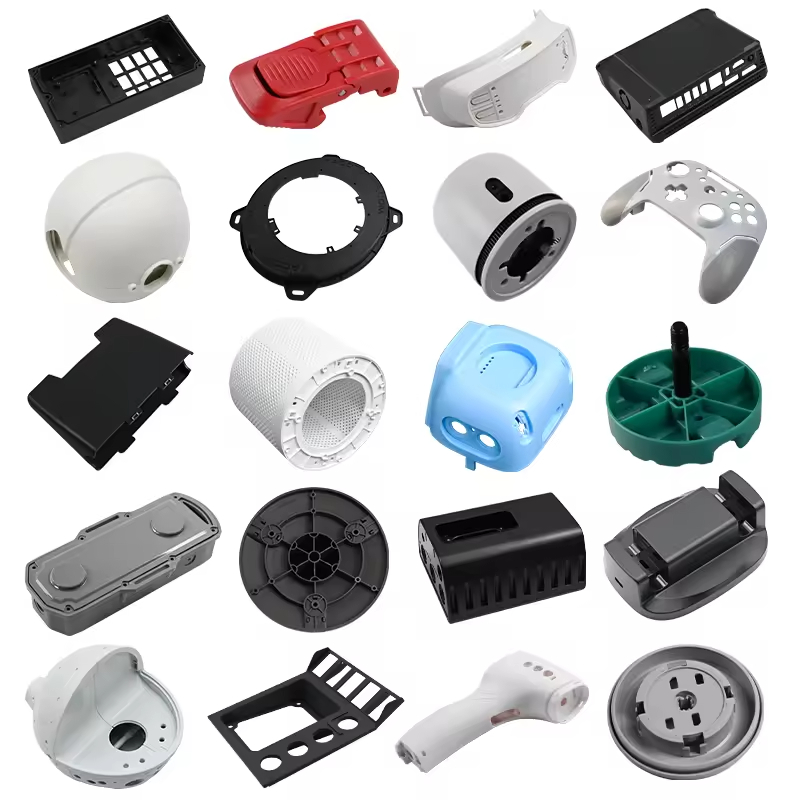
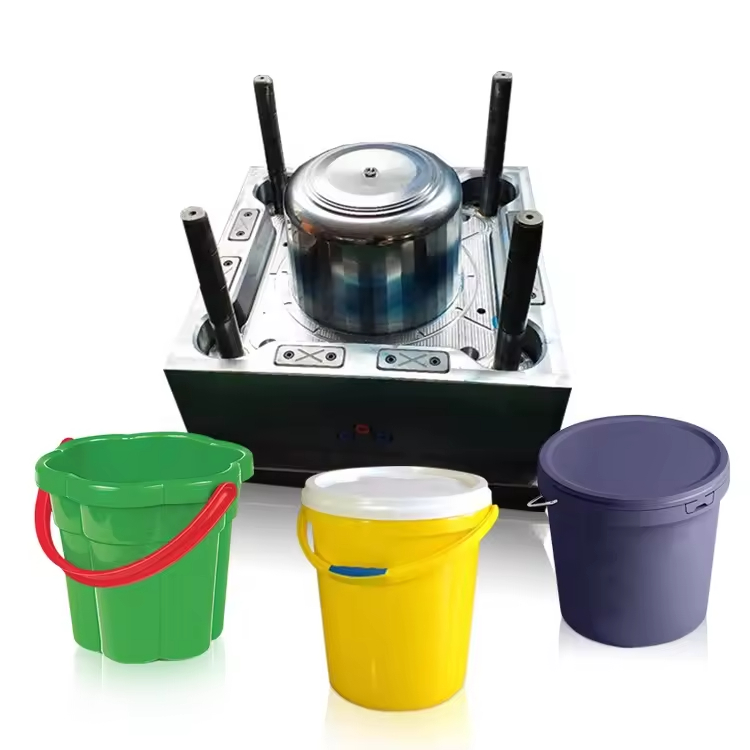
When manufacturing precision components, choosing between ép phun and die casting depends on material requirements, production volume, and part complexity. Both processes offer unique advantages for different applications.
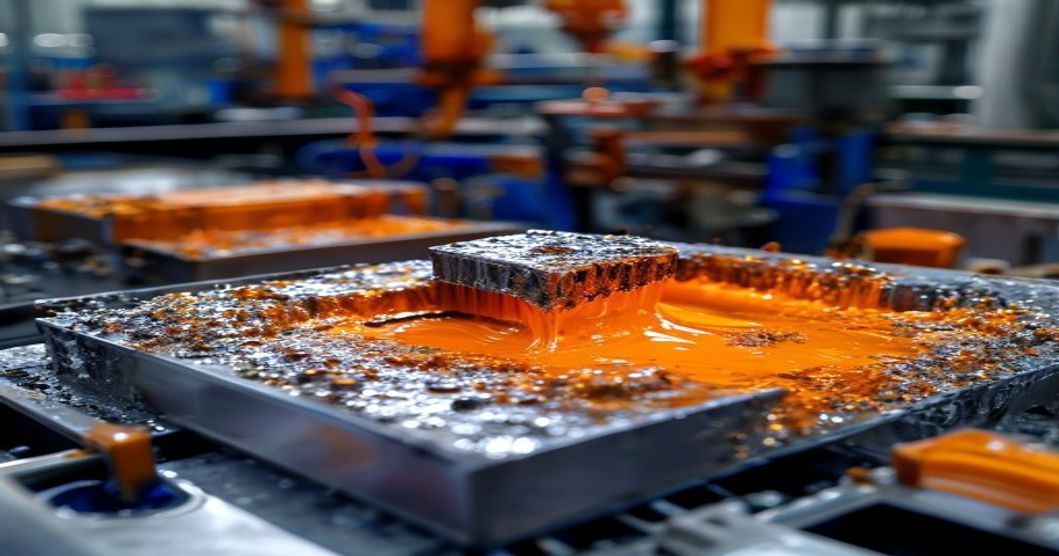
Process Overview
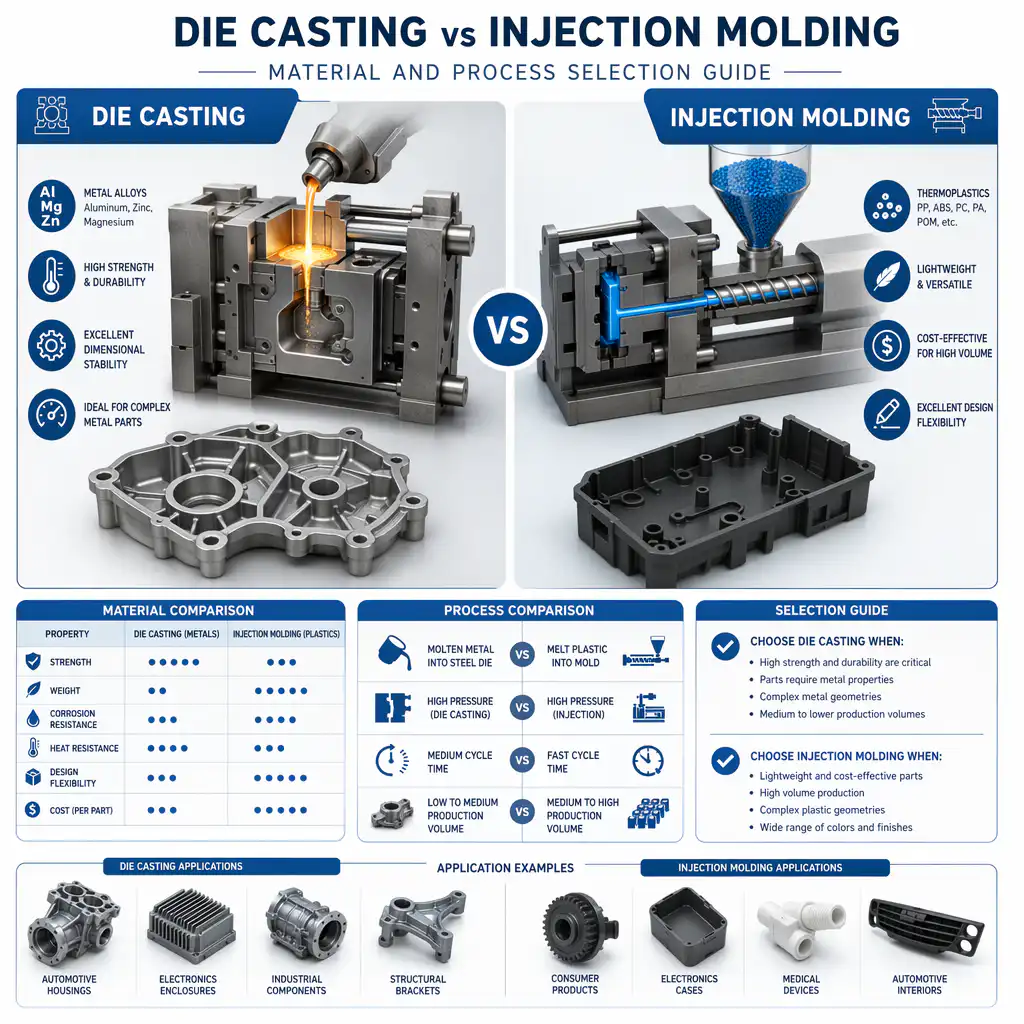
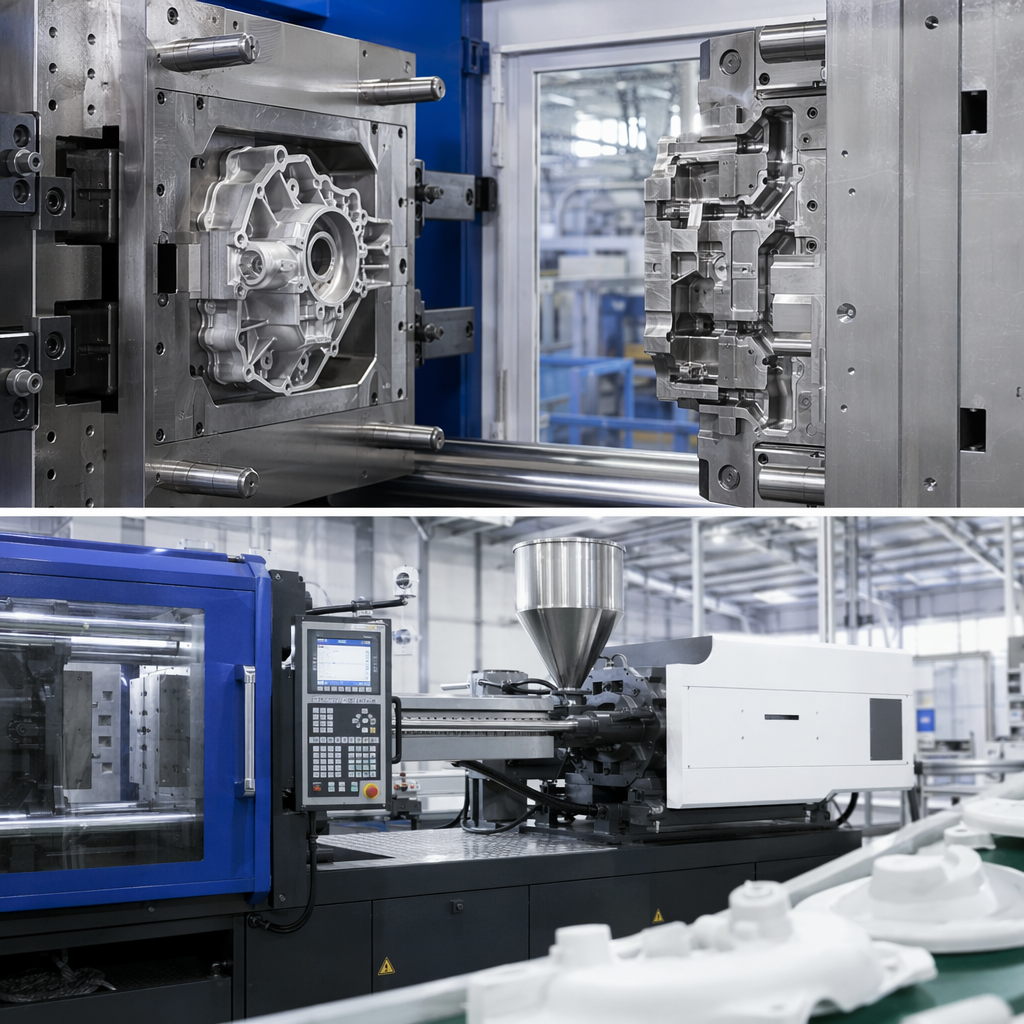
Die casting injects molten metal (aluminum, zinc, magnesium) into steel molds under high pressure. Đúc ép phun does the same with thermoplastics like nylon, POM, or PEEK.
Key Differences
| Yếu tố | Đúc áp lực | Ép phun |
|---|---|---|
| Chất liệu | Metal (Al, Zn, Mg) | Nhựa kỹ thuật |
| Trọng lượng | Heavier | Lighter (40-70% reduction) |
| Chi phí dụng cụ | Higher ($30k-$150k) | Lower ($10k-$50k) |
| Thời gian chu kỳ | 15-60 seconds | 10-45 seconds |
When to Choose Injection Molded Plastics
Đúc phun nylon is preferred when:
- Weight reduction is critical (automotive, aerospace)
- Electrical insulation is required
- Chemical resistance to specific environments
- Lower tooling investment for mid-range volumes
- Design requires complex features (undercuts, threads)
Ưu điểm về vật liệu
Engineering plastics offer advantages over die cast metals:
- Corrosion resistance — no rust or oxidation
- Design freedom — snap-fits, living hinges, integrated fasteners
- Vibration damping — quieter operation
- Lower secondary operations — no machining or surface treatment needed
Why Choose Our Injection Molding Services
Injection molding delivers consistent, high-volume plastic parts at low per-unit cost. Our facilities combine advanced molding equipment with in-house tooling capabilities:
- 80+ mold machines — high-speed CNC machining centers, EDM, wire-cutting, vacuum casting
- Large mold capacity — worktable up to 2500mm × 1500mm for large automotive and appliance molds
- ±0.01mm mold precision — precision control from mold design to mass production
- MOQ 1 set — prototype tooling and R&D samples without high mold costs
- Fast tooling — standard molds in 3–5 working days; first samples within 7 days
- Sản xuất hàng loạt — monthly output up to 500,000 pieces per product category
Our in-house mold making eliminates the communication gap between molder and toolroom, reducing revision cycles and ensuring your mold is optimized for your specific material and part design.
Planning a new product? Share your part drawings and annual volume targets for a comprehensive production cost analysis.
Câu hỏi thường gặp
When does Die Casting vs Injection Molding: Material and Process Selection Guide make sense?
Die Casting vs Injection Molding: Material and Process Selection Guide makes sense when the part volume, material choice, geometry, and repeatability needs justify mold design and tooling investment.
What design factors matter most for Die Casting vs Injection Molding: Material and Process Selection Guide?
Độ dày thành, gân, phần lồi, góc nghiêng, vị trí cửa rót, độ co ngót, đường phân chia và cơ chế đẩy đều ảnh hưởng đến chất lượng chi tiết đúc.
Cần những thông tin nào trước khi sản xuất khuôn?
Nhà cung cấp cần xác nhận mô hình 3D, vật liệu, khối lượng dự kiến hàng năm, các yêu cầu về hình thức, yêu cầu về dung sai, cũng như bất kỳ yêu cầu nào liên quan đến lắp ráp hoặc kiểm tra chức năng.
What is the biggest risk in Die Casting vs Injection Molding: Material and Process Selection Guide?
Rủi ro lớn nhất là phê duyệt khuôn mẫu trước khi các yếu tố như tính chất vật liệu, độ co ngót, quá trình chảy và chức năng của chi tiết được kiểm tra đầy đủ dựa trên điều kiện ứng dụng thực tế.