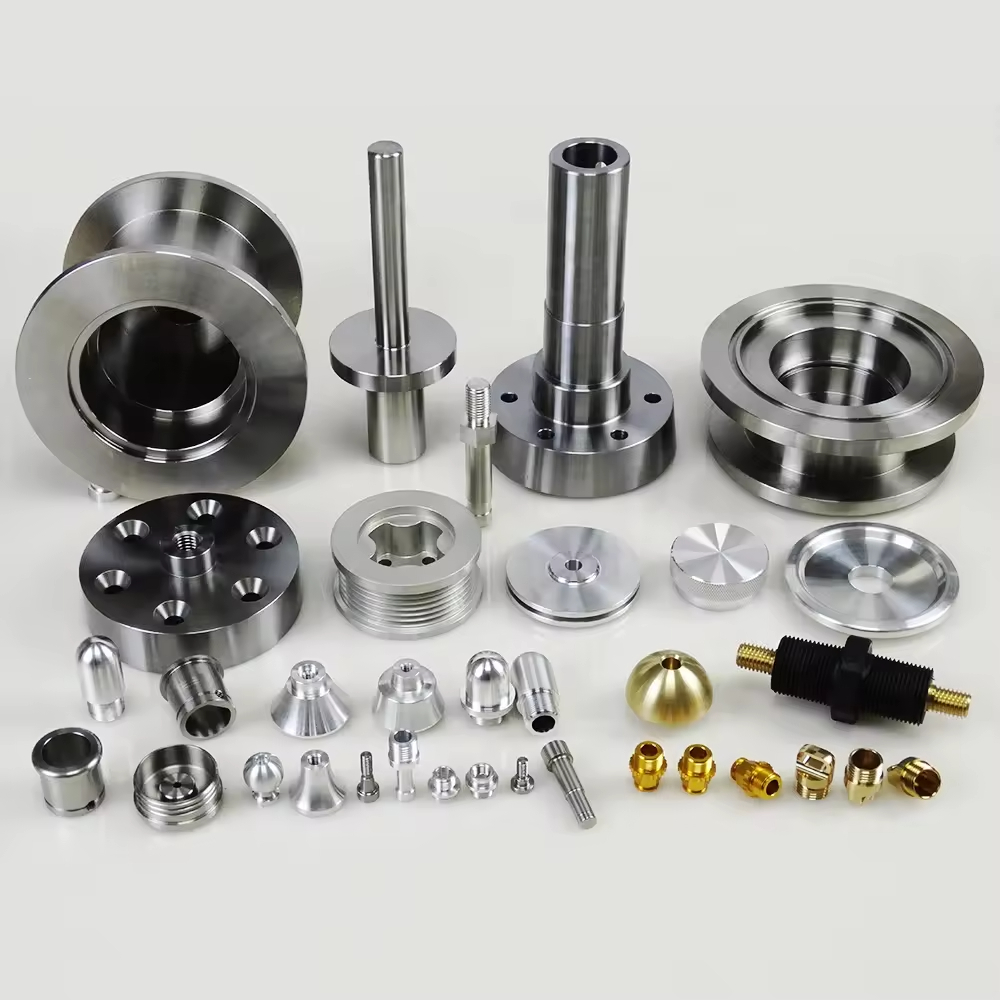
“Thép không gỉ 316” là cẩm nang toàn diện về hợp kim thép không gỉ cấp hàng hải – một trong những vật liệu quan trọng nhất trong lĩnh vực kỹ thuật và sản xuất hiện đại. Cẩm nang toàn diện này phân tích các tính chất cơ bản, ứng dụng công nghiệp và các yếu tố cần lưu ý trong quá trình sản xuất thép không gỉ 316, cung cấp cho các kỹ sư và chuyên gia mua sắm những kiến thức thiết yếu để lựa chọn vật liệu và thiết kế ứng dụng.
Các tính chất và đặc điểm cơ bản
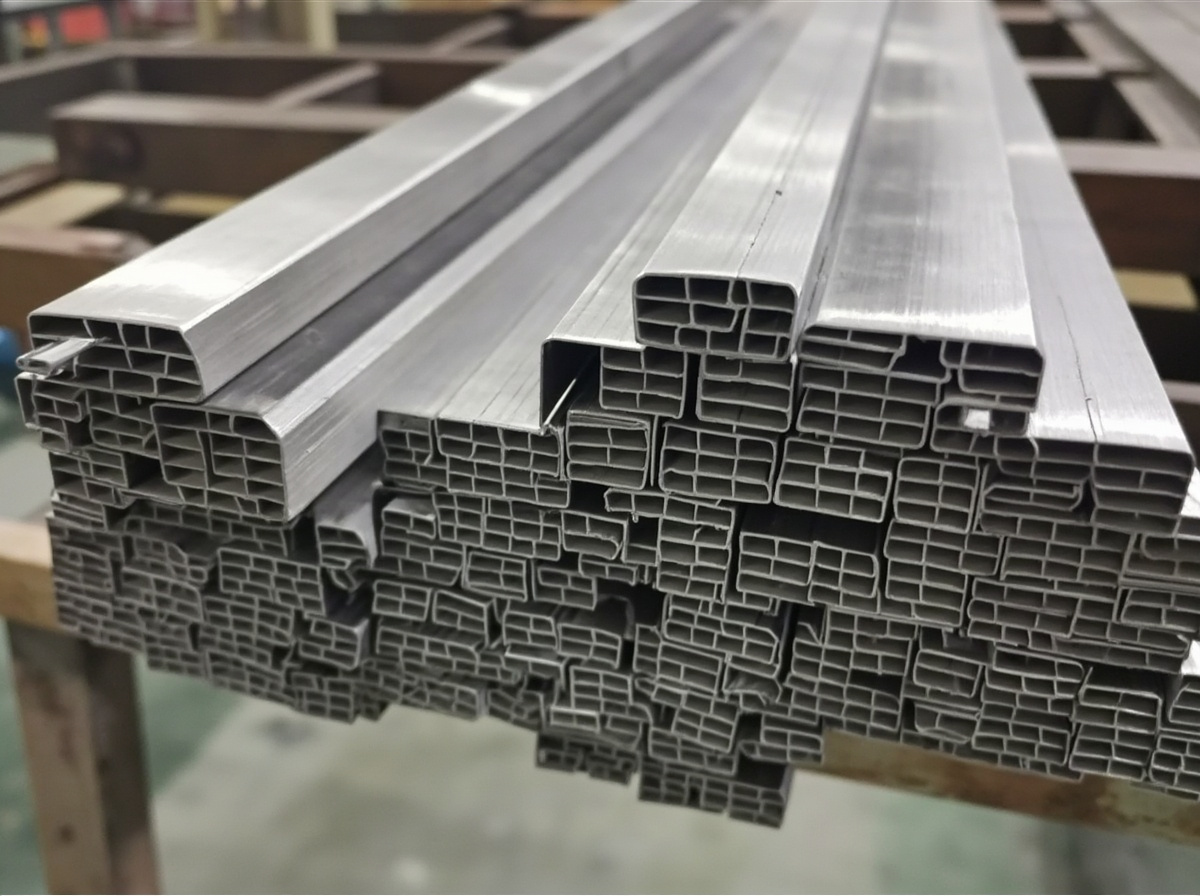
Các tính chất của thép không gỉ 316 quyết định mức độ phù hợp của loại thép này đối với các ứng dụng kỹ thuật cụ thể. Các đặc tính chính bao gồm độ bền cơ học, khả năng chống ăn mòn, độ ổn định nhiệt và tính chất gia công. Việc hiểu rõ các tính chất cơ bản này giúp lựa chọn vật liệu tối ưu cho các ứng dụng công nghiệp đa dạng.
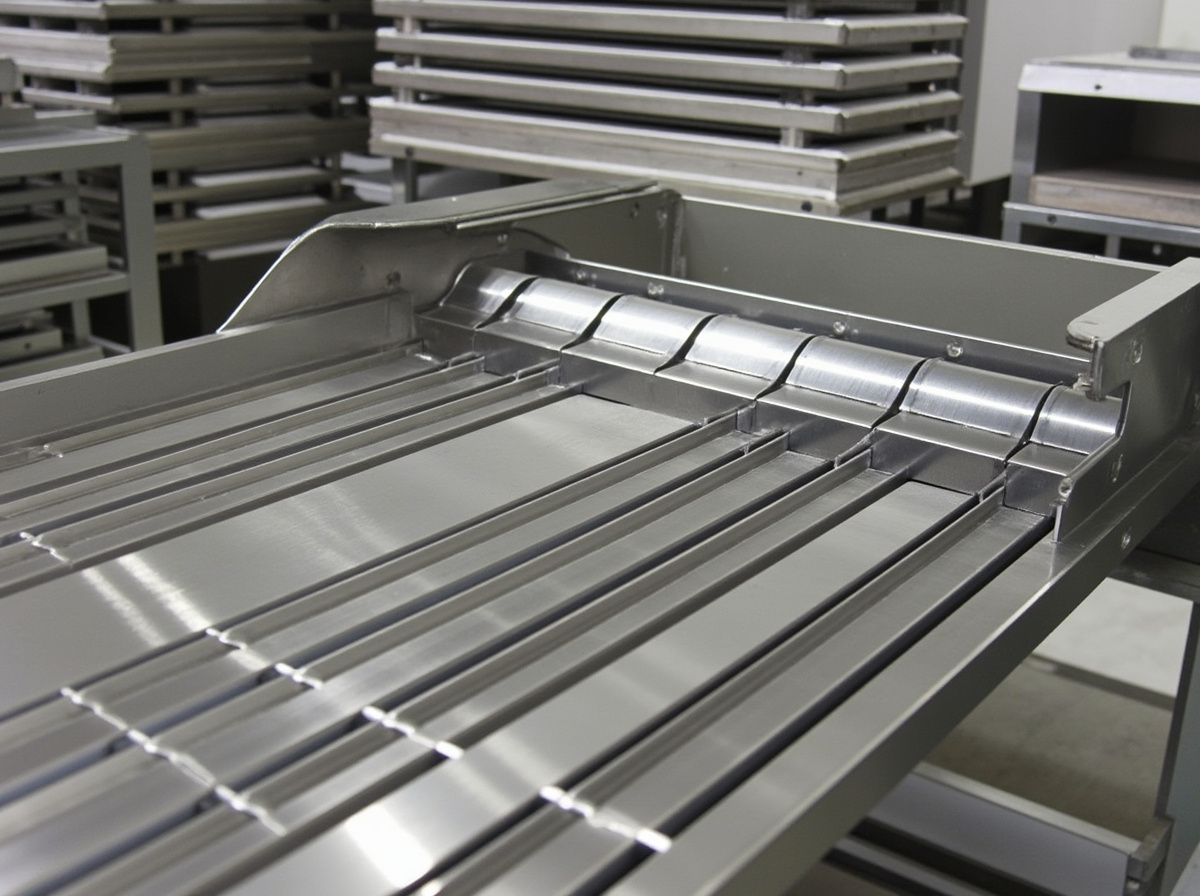
Ứng dụng công nghiệp
| Lĩnh vực ứng dụng | Mục đích sử dụng cụ thể | Yêu cầu về hiệu suất | Ưu điểm về vật liệu |
|---|---|---|---|
| Sản xuất | Sản xuất linh kiện | Độ bền cao, độ bền lâu dài | Hiệu quả về chi phí, đáng tin cậy |
| Xây dựng | Các thành phần kết cấu | Khả năng chịu tải | Tuổi thọ cao |
| Điện tử | Các linh kiện điện | Độ dẫn điện, độ ổn định | Sự ổn định về hiệu suất |
| Ô tô | Các bộ phận của xe | Tối ưu hóa trọng lượng | Hiệu suất tiêu thụ nhiên liệu |
| Hàng không vũ trụ | Cấu trúc máy bay | Tỷ lệ cường độ trên trọng lượng cao | Có tính chất an toàn quan trọng |
Các quy trình sản xuất
Quá trình sản xuất thép không gỉ 316 bao gồm các quy trình chuyên biệt được thiết kế phù hợp với tính chất vật liệu và yêu cầu ứng dụng. Các phương pháp sản xuất phổ biến bao gồm đúc, rèn, gia công cơ khí và sản xuất gia tăng, mỗi phương pháp đều mang lại những ưu điểm riêng biệt cho các hình dạng chi tiết cụ thể và các tiêu chí hiệu suất.
Các yếu tố cần xem xét khi lựa chọn vật liệu
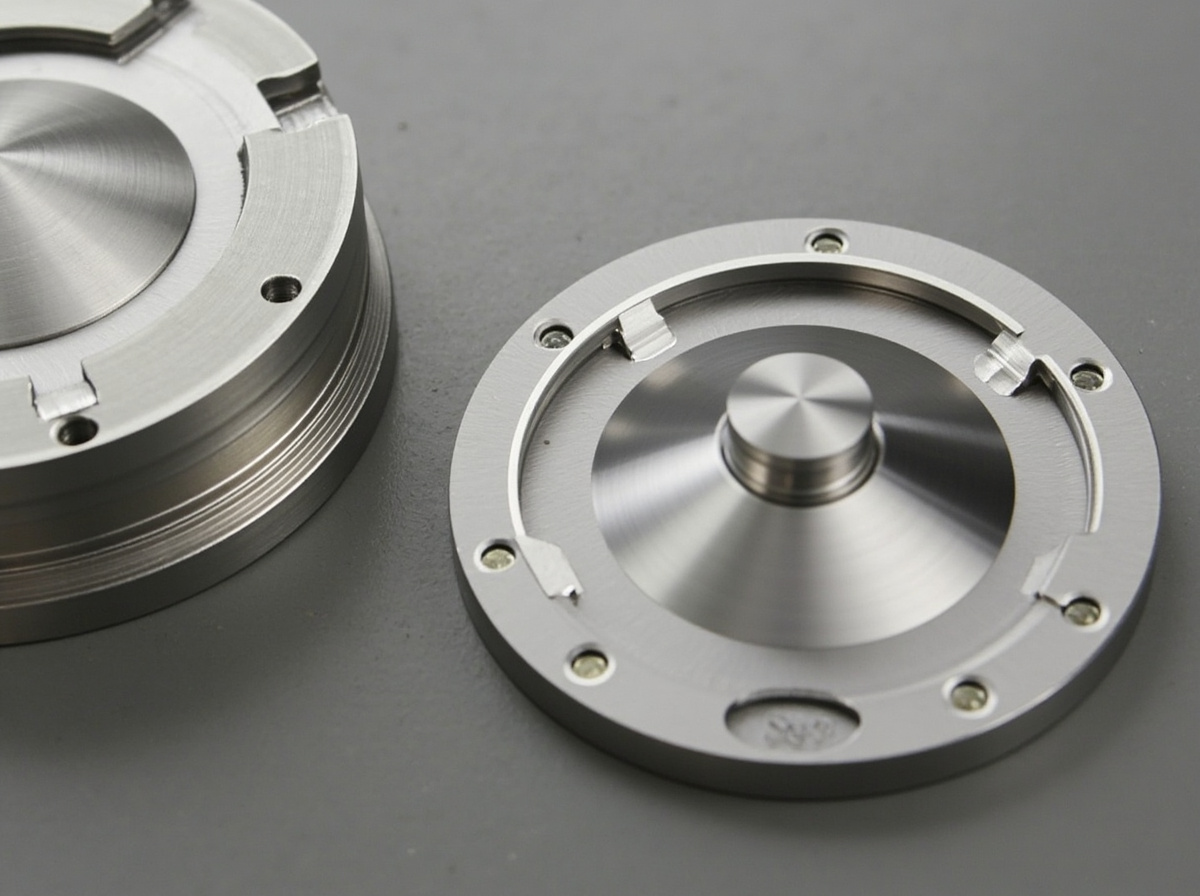
Việc lựa chọn thép không gỉ 316 cho các ứng dụng kỹ thuật đòi hỏi phải đánh giá nhiều tiêu chí hiệu suất dựa trên các hạn chế về chi phí và khả năng sản xuất. Các yếu tố chính cần xem xét bao gồm tính chất cơ học, khả năng chống chịu môi trường, đặc tính gia công và chi phí vòng đời.
Phân tích hiệu suất so với chi phí
Việc lựa chọn vật liệu phải cân bằng giữa các yêu cầu về hiệu suất và các hạn chế về mặt kinh tế. Thép không gỉ 316 mang lại những ưu điểm cụ thể trong các ứng dụng đòi hỏi [đặc tính hiệu suất], mặc dù các vật liệu thay thế có thể mang lại tỷ lệ chi phí-hiệu suất tốt hơn cho các ứng dụng có yêu cầu thấp hơn.
Các yếu tố môi trường và pháp lý
Các quy định về môi trường và các yếu tố liên quan đến tính bền vững ngày càng có ảnh hưởng lớn đến việc lựa chọn vật liệu. Việc thép không gỉ 316 có tuân thủ các tiêu chuẩn và quy định liên quan hay không phải được xác minh đối với từng ứng dụng cụ thể và từng thị trường địa lý.
Những diễn biến và xu hướng trong tương lai
Những tiến bộ trong công nghệ thép không gỉ 316 tiếp tục mở rộng khả năng ứng dụng đồng thời giải quyết các vấn đề liên quan đến tính bền vững. Các xu hướng mới nổi bao gồm nâng cao hiệu quả chế biến, cải thiện tính chất vật liệu thông qua việc phát triển hợp kim, và chú trọng hơn vào khả năng tái chế cũng như các nguyên tắc của nền kinh tế tuần hoàn.
Kết luận
Thép không gỉ 316 là một loại vật liệu quan trọng với nhiều ứng dụng công nghiệp đa dạng, bao gồm các lĩnh vực sản xuất, xây dựng, điện tử, ô tô và hàng không vũ trụ. Việc nắm vững các tính chất cơ bản, đặc điểm gia công cũng như các yếu tố cần lưu ý tùy theo từng ứng dụng sẽ giúp các kỹ sư và chuyên gia mua sắm đưa ra quyết định lựa chọn vật liệu sáng suốt, đảm bảo sự cân bằng giữa hiệu suất, chi phí và các yêu cầu về tính bền vững.
Câu hỏi thường gặp
Người mua nên đánh giá thép không gỉ 316 như thế nào: Hướng dẫn toàn diện về hợp kim thép không gỉ loại hàng hải?
Thép không gỉ 316: Hướng dẫn toàn diện về hợp kim thép không gỉ cấp hàng hải cần được đánh giá bằng cách so sánh các yếu tố như độ bền, khả năng chống ăn mòn, khả năng chịu nhiệt, khả năng gia công, yêu cầu về hoàn thiện bề mặt và các yêu cầu về chứng nhận với môi trường vận hành.
Những tính chất nào là quan trọng nhất đối với thép không gỉ 316: Hướng dẫn toàn diện về hợp kim thép không gỉ dùng trong hàng hải?
Các tính chất quan trọng nhất thường bao gồm độ bền, độ cứng, độ dẻo, khả năng chống ăn mòn, tính chất nhiệt, khả năng gia công và khả năng tương thích với các phương pháp xử lý bề mặt.
Những thông tin nào giúp lựa chọn loại kim loại phù hợp?
Tải trọng ứng dụng, môi trường, nhiệt độ, vật liệu tiếp xúc, yêu cầu về bề mặt, quy trình sản xuất và các tiêu chuẩn áp dụng đều góp phần thu hẹp phạm vi lựa chọn loại thép.
Sai lầm thường gặp khi lựa chọn thép không gỉ 316 là gì: Hướng dẫn toàn diện về hợp kim thép không gỉ cấp hàng hải?
Một sai lầm thường gặp là chỉ dựa vào độ bền để lựa chọn mà bỏ qua các yếu tố như ăn mòn, gia công dập, gia công cơ khí, hàn, hoàn thiện bề mặt hoặc điều kiện sử dụng lâu dài.